
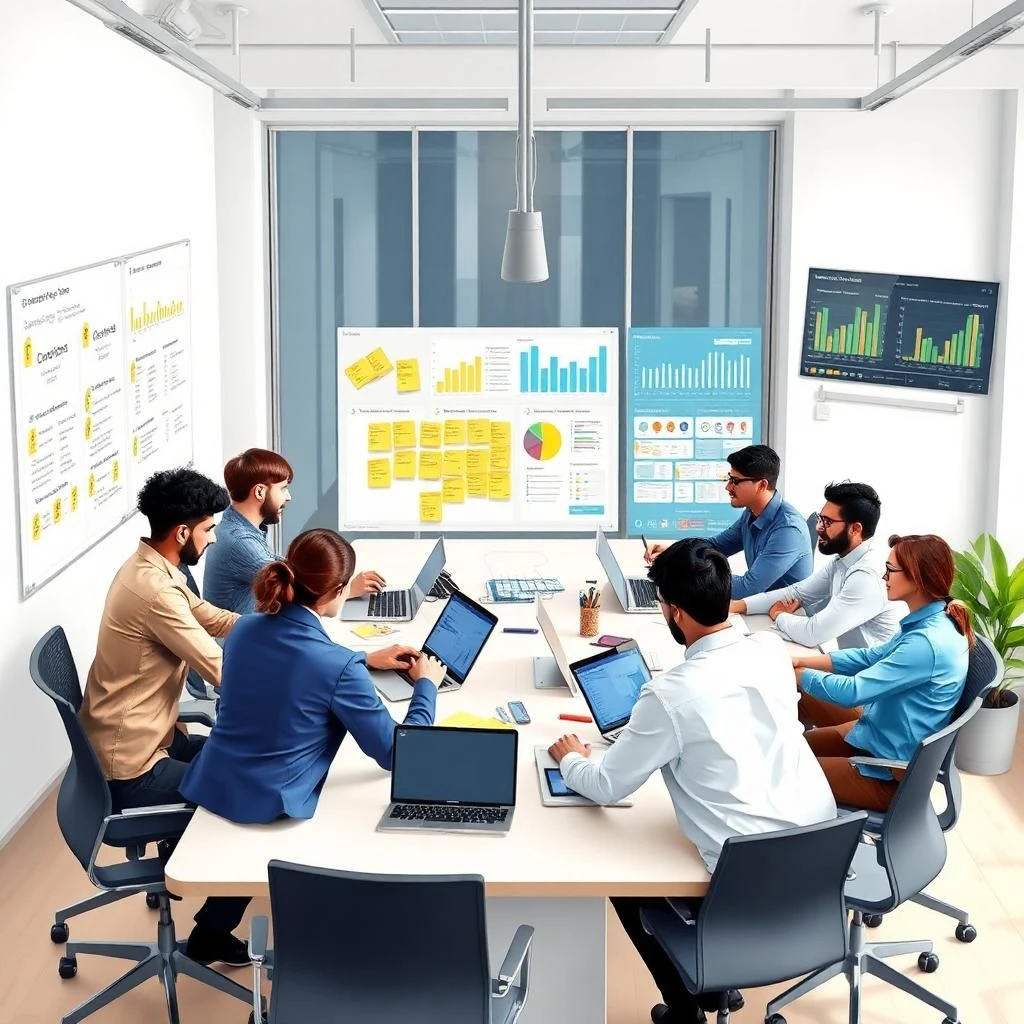
Energy management has become a cornerstone of modern commercial building operations. With rising energy costs, stricter environmental regulations, and increasing sustainability goals, understanding and optimizing energy use in commercial buildings is not only financially prudent but also critical for environmental responsibility. This guide explores the core aspects of energy consumption, lighting strategies, and efficiency improvements for commercial properties.
Understanding Energy Use in Commercial Buildings
Commercial buildings—including offices, retail spaces, hospitals, schools, and industrial facilities—are among the largest energy consumers. According to the U.S. Energy Information Administration (EIA), commercial buildings account for nearly 18% of total U.S. energy consumption. Energy use in these buildings is driven primarily by lighting, heating, ventilation, air conditioning (HVAC) systems, office equipment, and industrial machinery.
Key Drivers of Energy Consumption
- HVAC Systems: Heating, cooling, and ventilation represent the largest share of energy consumption in commercial properties, often accounting for 40–50% of total energy use. Inefficient HVAC systems, poor insulation, and outdated controls can dramatically increase energy bills.
- Lighting: Lighting is the second-largest energy consumer in most commercial buildings. Traditional incandescent and fluorescent systems are less efficient than modern LED technologies, which can reduce energy usage by 50–75%.
- Office and Industrial Equipment: Computers, servers, printers, and manufacturing machinery contribute significantly to energy demand, especially in technology-intensive workplaces or production facilities.
- Building Envelope: Poor insulation, aging windows, and air leakage lead to higher heating and cooling requirements. The building envelope’s efficiency directly impacts overall energy performance.
Lighting Efficiency and Energy Management
Lighting plays a dual role in commercial buildings: it impacts both energy consumption and occupant productivity. Efficient lighting strategies are critical for reducing energy costs without compromising comfort.
Upgrading to LED Lighting
LED technology has revolutionized commercial lighting. Compared to traditional fluorescent or incandescent bulbs, LEDs consume far less electricity and have a longer lifespan. Beyond energy savings, LEDs offer superior control over color temperature, brightness, and uniformity, enhancing workplace comfort.
Smart Lighting Controls
Modern energy management systems (EMS) integrate smart lighting controls such as occupancy sensors, daylight harvesting, and programmable dimming. These systems adjust lighting levels based on real-time needs, reducing unnecessary energy consumption. For example:
- Occupancy Sensors: Automatically switch lights off when spaces are unoccupied.
- Daylight Harvesting: Uses natural sunlight to supplement artificial lighting.
- Zoned Controls: Allow specific areas of a building to have individualized lighting schedules.
Retrofitting Existing Buildings
Retrofitting older commercial buildings with efficient lighting and smart controls can yield immediate energy savings. Upgrades often pay for themselves within a few years, depending on building size and usage patterns.
Energy Management Systems (EMS)
An Energy Management System is a technological platform that monitors, controls, and optimizes energy consumption in commercial buildings. EMS provides real-time insights, enabling facility managers to identify inefficiencies and implement corrective actions.
Benefits of EMS
- Real-Time Monitoring: Tracks energy consumption by zone, system, or equipment.
- Predictive Maintenance: Detects anomalies in energy use that may indicate failing equipment, preventing costly downtime.
- Cost Reduction: Optimizes energy usage to lower utility bills and reduce peak demand charges.
- Sustainability Goals: Provides accurate reporting for corporate sustainability initiatives and green certifications, such as LEED or Energy Star.
Integrating EMS with IoT
The Internet of Things (IoT) has enhanced EMS capabilities by connecting sensors, devices, and building systems. IoT integration allows granular energy data collection, predictive analytics, and automated energy-saving strategies. For instance, an EMS can adjust HVAC schedules based on occupancy patterns or dynamically control lighting based on daylight levels.
HVAC Optimization
Heating, ventilation, and air conditioning systems are energy-intensive but offer significant opportunities for efficiency improvements.
Regular Maintenance
Routine HVAC maintenance—such as cleaning coils, replacing filters, and inspecting ductwork—ensures systems operate at peak efficiency. Poorly maintained systems consume more energy and degrade indoor air quality.
High-Efficiency Equipment
Replacing outdated HVAC units with high-efficiency models reduces energy consumption and operational costs. Modern systems use advanced compressors, variable-speed motors, and intelligent thermostats to optimize performance.
Zoned Heating and Cooling
Zoning allows different areas of a building to maintain customized temperature settings. This prevents energy waste in unoccupied spaces and improves comfort for occupants.
Renewable Energy Integration
Commercial buildings are increasingly adopting renewable energy solutions, such as solar panels, wind turbines, and geothermal systems. Renewable energy reduces dependency on fossil fuels, lowers utility bills, and supports corporate sustainability objectives.
Solar Power Systems
Rooftop solar panels and solar carports can provide a significant portion of a building’s electricity needs. Coupled with energy storage systems, solar power ensures reliable energy supply even during peak demand periods.
Energy Storage Solutions
Battery storage allows buildings to store excess energy generated on-site and use it during high-demand periods or grid outages. This strategy can also reduce demand charges imposed by utilities.
Energy Benchmarking and Performance Metrics
Monitoring energy performance is crucial for identifying trends, measuring improvements, and setting targets.
Energy Benchmarking
Benchmarking compares a building’s energy use against similar facilities using metrics such as energy use intensity (EUI), measured in kBTU per square foot. This allows managers to identify underperforming systems and prioritize efficiency upgrades.
Key Performance Indicators (KPIs)
- Energy Use Intensity (EUI): Total energy consumed per square foot of building space.
- Peak Demand: Highest level of energy consumption within a specific period.
- Load Factor: Ratio of average energy use to peak energy demand, indicating efficiency.
- Carbon Footprint: Total greenhouse gas emissions associated with energy consumption.
Employee Engagement in Energy Efficiency
Behavioral changes by building occupants can significantly reduce energy consumption. Simple measures, such as turning off lights when leaving a room, using energy-efficient appliances, and reporting equipment malfunctions, complement technological solutions.
Education and Awareness Programs
Educating employees about energy-saving practices encourages participation and improves the building’s overall efficiency. Regular communication, visual reminders, and incentive programs can motivate energy-conscious behaviors.
Regulatory Compliance and Incentives
Commercial buildings must comply with energy regulations and standards, such as ASHRAE guidelines, local building codes, and national energy efficiency mandates. Compliance not only avoids penalties but also qualifies buildings for incentives, rebates, and tax credits for energy-efficient upgrades.
Energy Star and LEED Certification
- Energy Star: Buildings that meet high energy performance standards can earn Energy Star certification, signaling efficiency to stakeholders.
- LEED Certification: Leadership in Energy and Environmental Design (LEED) recognizes sustainable building design, including energy performance, lighting efficiency, and renewable energy integration.
Future Trends in Commercial Energy Management
- Artificial Intelligence (AI): AI-driven energy management predicts consumption patterns and optimizes systems automatically.
- Advanced Analytics: Data-driven insights allow real-time energy adjustments and long-term strategic planning.
- Grid-Interactive Buildings: Buildings increasingly interact with the electric grid, adjusting energy usage in response to grid signals to support stability and reduce costs.
- Net-Zero Energy Buildings: The ultimate goal for commercial properties is to achieve net-zero energy, producing as much energy as they consume annually.
Conclusion
Energy use in commercial buildings is complex, but efficient management is achievable through a combination of technology, strategy, and human engagement. Upgrading lighting systems, implementing EMS, optimizing HVAC performance, integrating renewable energy, and promoting energy-conscious behaviors are key strategies for reducing consumption, lowering costs, and improving sustainability.
As energy costs rise and environmental pressures increase, commercial building managers must prioritize energy efficiency and innovation. Proactive energy management not only enhances operational performance but also demonstrates corporate responsibility and environmental stewardship.