
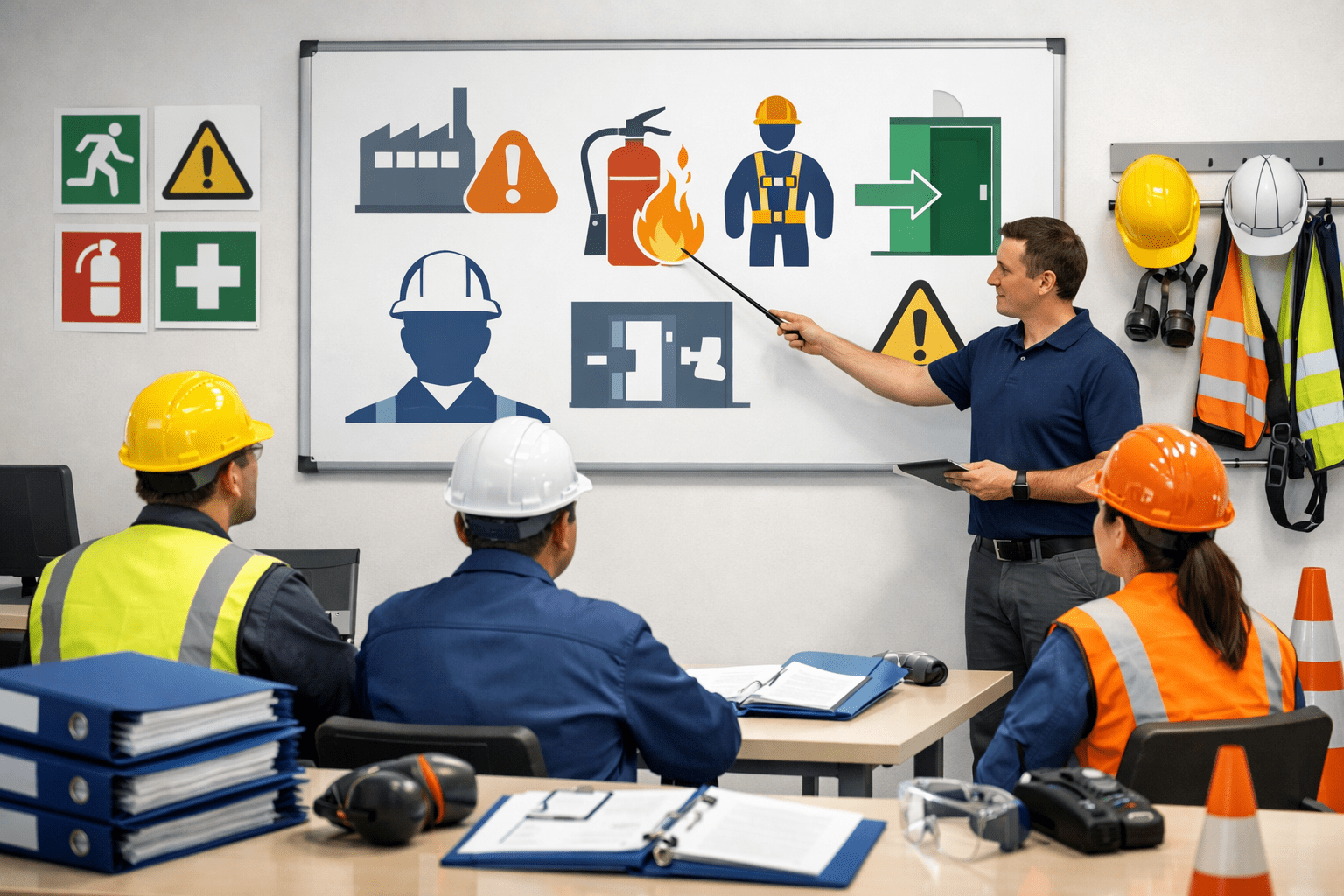
Safety documentation and training are essential pillars of effective facilities safety management. Every facility relies on clear procedures, accurate records, and well-trained people to prevent accidents, respond to incidents, and maintain compliance. Without proper documentation and structured training, even well-designed safety systems can fail due to misunderstanding, inconsistency, or lack of awareness.
This article provides an expert, professional guide to safety documentation and training within facilities safety. It is written for facilities managers, safety officers, and organizational leaders who want to strengthen safety performance, meet regulatory expectations.
Understanding Safety Documentation and Training in Facilities Safety
Safety documentation refers to the written materials that define how safety is managed within a facility. These documents establish standards, responsibilities, and procedures that guide daily operations and emergency response.
Training, on the other hand, ensures that employees understand and apply those documents correctly. In facilities safety, documentation and training work together. Clear policies without training are ineffective, while training without documentation lacks consistency and accountability.
When both elements are aligned, facilities operate more safely, efficiently, and predictably.
Why Safety Documentation and Training Matter?
Facilities safety depends on consistency. Employees must know what is expected of them and how to perform tasks safely every time.
Strong safety documentation and training help facilities:
- Reduce workplace injuries and incidents
- Improve regulatory compliance
- Ensure consistent safety practices
- Support faster onboarding of new employees
- Strengthen employee confidence and engagement
Without proper documentation and training, safety knowledge becomes informal, inconsistent, and difficult to maintain.
Key Types of Safety Documentation in Facilities
Facilities safety programs rely on several types of safety documentation. Each plays a specific role in risk control and compliance.
Safety Policies and Manuals
These documents outline the organization’s overall approach to safety. They define responsibilities, expectations, and core safety principles.
Procedures and Work Instructions
Procedures describe how tasks should be performed safely. They are especially important for high-risk activities such as equipment operation, maintenance, and material handling.
Risk Assessments and Hazard Registers
These records document identified hazards, risk levels, and control measures. They support proactive facilities safety management.
Emergency Plans and Response Procedures
Emergency documentation guides actions during fires, medical incidents, or other emergencies. Clear plans reduce confusion and improve response effectiveness.
Inspection and Maintenance Records
These documents show that equipment and systems are regularly checked and maintained. They support both safety and reliability.
Accurate, up-to-date documentation is critical. Outdated or unclear documents can create more risk than no documentation at all.
Developing Effective Safety Documentation
Effective safety documentation should be clear, practical, and easy to understand. Overly complex documents often go unread or misunderstood.
Facilities safety documentation should:
- Use plain language and clear formatting
- Focus on practical actions rather than theory
- Reflect actual work practices
- Be accessible to all employees
- Be reviewed and updated regularly
Documentation should support safe behavior, not overwhelm workers with unnecessary detail.
The Role of Training in Facilities Safety
Training brings safety documentation to life and ensures employees understand procedures, hazards, and controls, following recommended education and training practices from OSHA’s guidance on workplace training.
Facilities safety training should focus on:
- Awareness of hazards and risks
- Proper use of equipment and systems
- Safe work procedures
- Emergency response actions
Training is not a one-time activity. Ongoing education is essential to address new risks, equipment changes, and lessons learned from incidents.
Types of Safety Training in Facilities
Different roles require different levels of training. A structured approach ensures training is relevant and effective.
General Safety Training
This training covers basic safety rules, reporting procedures, and emergency actions. It is often part of onboarding.
Job-Specific Training
Job-specific training addresses hazards and procedures related to particular tasks or equipment. It is critical for maintenance, operations, and technical roles.
Refresher Training
Refresher sessions reinforce knowledge and address gaps. They help maintain safe behavior over time.
Emergency and Drill Training
Emergency training prepares employees to respond calmly and correctly during critical events. Drills test both documentation and training effectiveness.
Tailored training improves engagement and retention.
Linking Documentation and Training
Facilities safety improves when documentation and training are closely aligned. Training content should be based directly on approved procedures and policies.
To strengthen this link:
- Use procedures as training materials
- Reference documents during training sessions
- Update training when documentation changes
- Verify understanding through assessments
This alignment ensures consistency and reduces the risk of unsafe practices.
Recordkeeping and Training Documentation
Training records are a critical part of safety documentation. They demonstrate that employees have received appropriate instruction.
Facilities safety recordkeeping should include:
- Training attendance records
- Competency assessments
- Certification or authorization records
- Refresher training schedules
Accurate records support audits, inspections, and internal reviews. They also help identify training gaps.
Leadership and Accountability
Leadership plays a key role in safety documentation and training. When leaders prioritize safety, employees take it seriously.
Effective leadership actions include:
- Supporting the development of clear documentation
- Providing resources for training
- Participating in safety training themselves
- Holding teams accountable for compliance
Leadership commitment reinforces the importance of facilities safety at all levels.
Employee Engagement and Safety Awareness
Engaged employees are more likely to follow procedures and report hazards. Training should encourage participation rather than passive learning.
Facilities safety training can improve engagement by:
- Encouraging questions and discussion
- Using real-life examples
- Involving employees in procedure development
- Reinforcing positive safety behaviors
When employees feel involved, safety becomes a shared responsibility.
Continuous Improvement in Documentation and Training
Facilities safety is not static. Documentation and training must evolve as conditions change.
Continuous improvement involves:
- Reviewing incidents and near-misses
- Updating procedures based on lessons learned
- Improving training methods and materials
- Incorporating feedback from employees
Regular reviews ensure safety systems remain effective and relevant.
Technology and Modern Safety Training
Technology can enhance safety documentation and training. Digital systems improve access, consistency, and tracking.
Modern tools may include:
- Online training platforms
- Digital document management systems
- Mobile access to procedures
- Automated training reminders
Technology supports better compliance and makes safety information easier to use.
The Business Value of Safety Documentation and Training
Strong safety documentation and training deliver measurable business benefits. Safe facilities operate more efficiently and experience fewer disruptions.
Key benefits include:
- Reduced injury-related costs
- Lower downtime and rework
- Improved employee retention
- Stronger regulatory performance
Facilities safety supports both operational excellence and long-term sustainability.
Conclusion: Strengthening Facilities Safety Through Documentation and Training
Safety documentation and training are foundational to effective facilities safety. Clear procedures provide direction, while training ensures those procedures are understood and applied correctly.
By investing in well-structured documentation, targeted training, and continuous improvement, facilities can reduce risk, protect people, and maintain reliable operations. When safety documentation and training become part of everyday work, facilities move from reactive problem-solving to proactive risk management—creating safer, more resilient workplaces.