
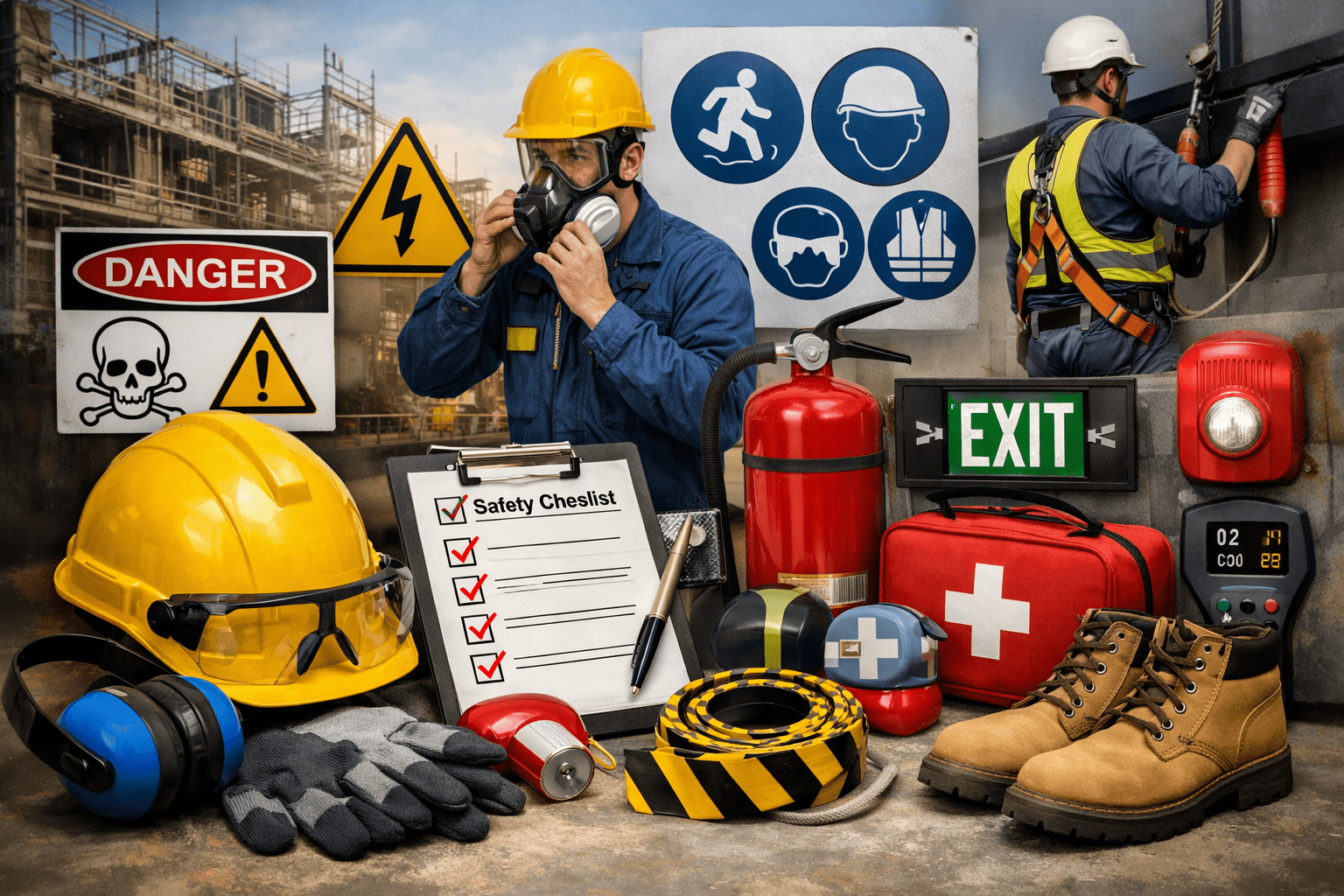
Occupational safety requirements are essential regulations designed to protect employees, contractors, and visitors from workplace hazards. Across industries—from manufacturing and construction to healthcare and corporate environments—these safety requirements establish the minimum standards organizations must follow to ensure a safe and legally compliant workplace.
Compliance is not simply about avoiding penalties. It is about protecting human life, maintaining operational continuity, and creating an environment where employees can perform their duties without unnecessary risk.
This article provides an expert overview of their purpose, key components, enforcement, and best practices for long-term compliance.
What Are Occupational Safety Requirements?
Refer to legally mandated rules and standards that govern workplace conditions, employee protections, hazard controls, and employer responsibilities. These regulations are enforced by national and regional authorities to reduce workplace injuries, illnesses, and fatalities.
They typically apply to:
- Employers and business owners
- Facilities managers
- Contractors and subcontractors
- Safety officers and compliance teams
These requirements form the backbone of workplace safety compliance programs worldwide.
Why Occupational Safety Requirements Matter?
Ignoring and exposes organizations to serious risks, including legal liability, operational disruptions, financial losses, and reputational damage. More importantly, non-compliance can lead to preventable injuries and fatalities.
When properly implemented, these requirements help organizations:
- Prevent accidents and workplace injuries
- Reduce compensation and insurance costs
- Protect employees’ health and well-being
- Maintain regulatory compliance
- Improve operational efficiency
- Strengthen corporate responsibility
Safety compliance is both an ethical obligation and a business necessity.
Core Elements
Although regulations vary by country and industry, most occupational safety requirements include the following fundamental components:
1. Hazard Identification and Control
Employers must identify workplace hazards and implement measures to eliminate or reduce risks.
2. Employee Training
Workers must receive proper training on safety procedures, equipment use, and emergency response.
3. Personal Protective Equipment (PPE)
Provision and enforcement of protective gear appropriate to workplace hazards.
4. Emergency Preparedness
Clear plans for evacuation, fire safety, medical emergencies, and disaster response.
5. Equipment Safety
Proper maintenance, safe operation, and compliance with machinery safety standards.
6. Workplace Monitoring
Regular inspections and audits to ensure safety protocols are followed.
7. Documentation and Reporting
Incident logs, compliance records, training documentation, and regulatory reporting.
These elements collectively define across industries.
Employer Responsibilities Under Occupational Safety Requirements
Employers hold the primary responsibility for compliance. Key obligations include:
- Providing a hazard-free workplace
- Conducting regular risk assessments
- Implementing preventive controls
- Ensuring workers receive safety training
- Supplying protective equipment
- Posting safety information visibly
- Investigating and reporting incidents
Failure to fulfill these duties may result in penalties, legal actions, or facility shutdowns.
Employee Responsibilities in Safety Compliance
Occupational safety requirements also apply to workers. Employees must:
- Follow safety procedures
- Use PPE correctly
- Report unsafe conditions
- Participate in training
- Avoid hazardous behaviors
Safety is a shared responsibility between employers and staff.
Across Different Industries
Different environments require specialized compliance approaches:
Manufacturing
Machine guarding, chemical safety, noise protection, lockout/tagout.
Construction
Fall protection, scaffolding standards, electrical safety, heavy equipment protocols.
Offices
Fire exits, ergonomic compliance, electrical safety, emergency preparedness.
Healthcare
Biohazard control, sanitation standards, infectious disease protection.
Although the setting changes and remain universally critical.
Regulatory Enforcement and Inspections
Employers must follow OSHA’s laws and regulations, which enforce occupational safety requirements by setting clear standards to protect workers from recognized hazards and ensure safe working conditions.
Government agencies enforce occupational safety requirements through:
- Scheduled inspections
- Surprise audits
- Violation citations
- Financial penalties
- Mandatory corrective actions
Documentation and preparedness are key to passing inspections successfully.
Common Compliance Failures
Organizations often fall short due to:
- Poor training programs
- Lack of hazard assessments
- Inadequate PPE enforcement
- Missing documentation
- Unsafe equipment practices
- Weak safety leadership
Addressing these failures strengthens occupational safety compliance.
Best Practices for Meeting Occupational Safety Requirements
To maintain compliance and protect workers, organizations should:
- Establish a formal safety management system
- Conduct routine workplace inspections
- Implement clear safety procedures
- Train employees regularly
- Maintain equipment properly
- Keep accurate compliance records
- Promote a safety-first culture
Consistent application of these best practices ensures long-term success.
Benefits of Strong Occupational Safety Compliance
When organizations fully comply with occupational safety requirements, they gain:
- Reduced workplace incidents
- Lower operational risk
- Improved employee morale
- Stronger regulatory standing
- Enhanced reputation
- Sustainable business continuity
Safety compliance directly contributes to organizational stability and workforce protection.
The Future of Occupational Safety Requirements
Emerging trends shaping occupational safety include:
- Digital compliance monitoring
- Smart safety systems
- Automated hazard detection
- Remote safety training
- Enhanced regulatory enforcement
As workplaces evolve, occupational safety requirements will become even more technology-driven and data-focused.
Final Thoughts
Occupational safety requirements are fundamental to compliance and responsible workplace management. They protect employees from harm, reduce legal exposure, and ensure businesses operate within safe and regulated environments.
Organizations that treat safety requirements as a strategic priority—not just a legal mandate—create healthier workplaces, stronger operational systems, and long-term sustainability.
Workplace safety begins with understanding and consistently applying occupational safety requirements across every level of an organization.