
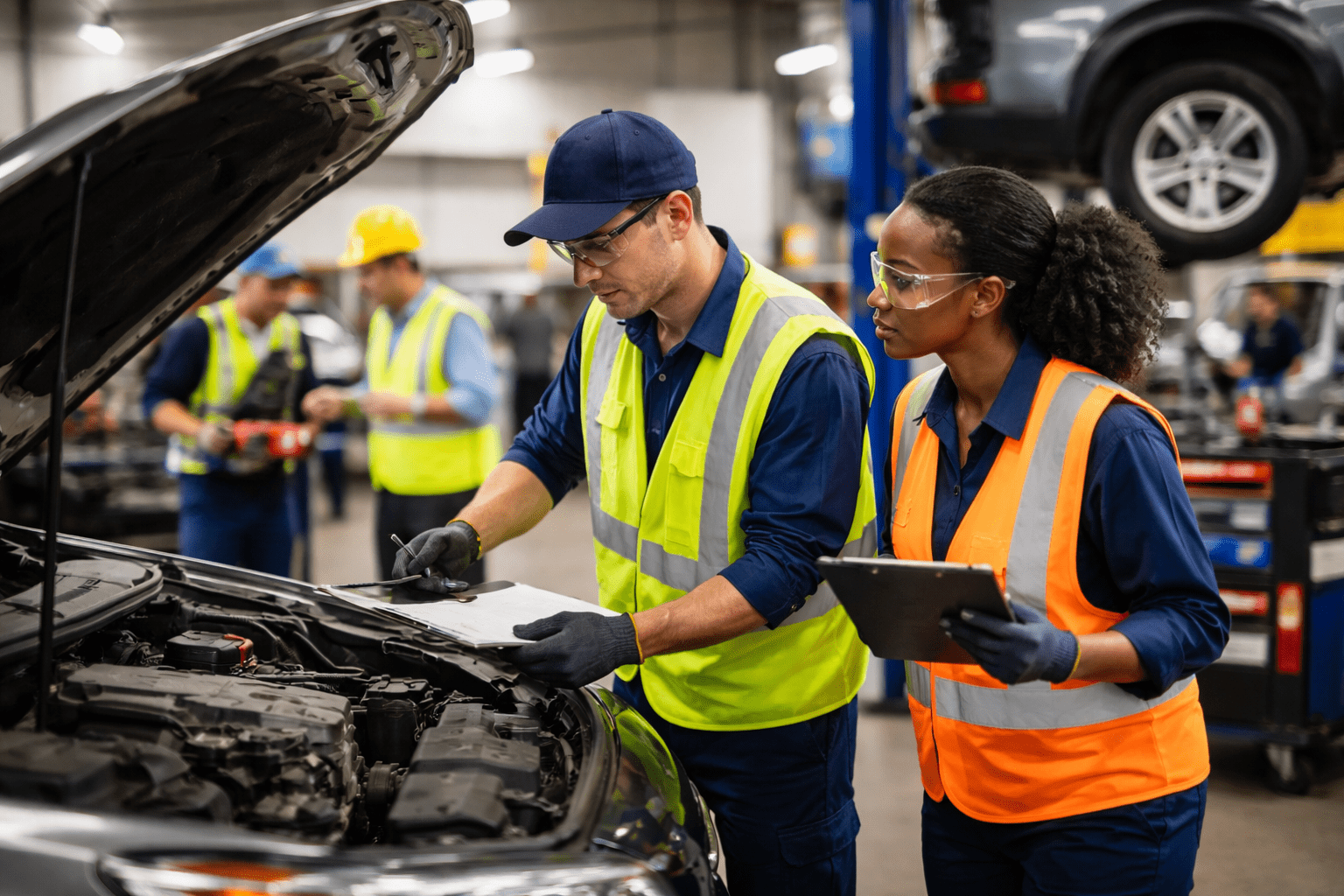
As organizations operate in increasingly complex and regulated environments, facilities can no longer be defined solely by industry type or building structure. Instead, they are better understood through the lens of service need—the level of operational support required to deliver safe, reliable, and compliant services. One of the most critical categories within this framework is safety-sensitive workspaces.
Safety-sensitive workspaces are environments where errors, system failures, or human mistakes can result in severe consequences, including injury, loss of life, financial damage, or regulatory penalties. These facilities demand the highest standards of safety, risk management, and operational discipline. From hospitals and laboratories to transportation hubs and industrial plants, safety-sensitive workspaces are essential to protecting both people and assets.
Understanding Facilities by Service Need
The concept of facilities by service need shifts focus from physical design to functional dependency. Rather than categorizing buildings by sector alone, this approach examines the systems required to support core activities.
Facilities by service need often include:
- Healthcare institutions
- Industrial and manufacturing plants
- Transportation and logistics centers
- Energy and utilities infrastructure
- Research and testing laboratories
- Financial and data centers
In these environments, safety is not an optional feature—it is embedded into every operational process.
What Are Safety-Sensitive Workspaces?
Safety-sensitive workspaces are environments where work activities involve high levels of risk, and where strict controls are necessary to prevent accidents and system failures. These spaces are defined not just by physical hazards, but by the critical nature of the tasks performed within them.
Key characteristics include:
- Exposure to hazardous materials or equipment
- Operation of heavy machinery or complex systems
- High dependency on human accuracy and attention
- Strict regulatory oversight
- Requirement for continuous monitoring and training
In such environments, even minor lapses in safety protocols can have serious consequences.
Key Industries That Rely on Safety-Sensitive Workspaces
1. Healthcare and Medical Facilities
Hospitals and clinics are among the most safety-sensitive environments. Medical professionals operate in high-pressure settings where mistakes can directly affect patient outcomes.
Common safety-sensitive areas include:
- Operating rooms
- Intensive care units (ICUs)
- Emergency departments
- Diagnostic imaging centers
- Pharmaceutical storage areas
These spaces require rigorous infection control, equipment safety standards, and continuous staff training.
2. Manufacturing and Industrial Plants
Industrial facilities are inherently safety-sensitive due to the use of heavy machinery, hazardous materials, and complex production systems.
Key risk areas include:
- Production lines
- Chemical processing zones
- Robotics and automation systems
- Maintenance workshops
- Material storage areas
Effective safety management reduces workplace injuries, improves productivity, and ensures regulatory compliance.
3. Transportation and Logistics Hubs
Airports, rail systems, ports, and logistics centers rely on safety-sensitive operations to manage high volumes of people, goods, and equipment.
Typical safety-sensitive functions include:
- Air traffic control
- Train signaling systems
- Cargo handling operations
- Vehicle maintenance facilities
- Security screening zones
In these environments, safety failures can disrupt entire transportation networks.
4. Energy and Utilities Facilities
Power plants, water treatment facilities, and energy distribution centers are safety-sensitive due to their critical role in public infrastructure.
Key areas of concern include:
- Control rooms
- High-voltage equipment zones
- Chemical treatment areas
- Emergency response systems
- Monitoring and surveillance centers
Safety breaches in these facilities can have widespread societal impact.
Why Safety Is Critical in Facilities by Service Need?
1. Human Protection
The primary goal of safety-sensitive workspaces is to protect employees, visitors, and the general public from harm.
Effective hazard control strategies are essential to protect workers from workplace hazards and reduce incidents.
2. Regulatory Compliance
Many safety-sensitive facilities operate under strict regulations, including occupational safety laws, environmental standards, and industry-specific guidelines.
3. Operational Continuity
Accidents and incidents disrupt operations, damage equipment, and lead to costly downtime.
4. Reputation and Trust
Organizations that fail to maintain safe environments risk losing public trust, facing legal action, and suffering long-term reputational damage.
Designing Safety-Sensitive Workspaces
Risk-Based Facility Design
Facilities by service need must adopt risk-based design principles that identify potential hazards and implement controls.
This includes:
- Hazard analysis and risk assessment
- Zoning of high-risk and low-risk areas
- Clear signage and visual warnings
- Emergency exits and evacuation routes
- Ergonomic workspace design
Effective design reduces reliance on human error and improves overall safety.
Technology and Safety Integration
Modern safety-sensitive workspaces rely heavily on technology to enhance monitoring and control.
Common technologies include:
- Surveillance and access control systems
- Environmental sensors (gas, smoke, radiation)
- Automated shutdown systems
- Digital safety management platforms
- Wearable safety devices
These tools provide real-time insights and enable rapid response to incidents.
Maintenance and Operational Safety Strategies
Preventive Safety Measures
Routine inspections, equipment testing, and compliance checks prevent accidents before they occur.
Training and Competency
Staff working in safety-sensitive environments must undergo regular training, certification, and performance evaluations.
Incident Reporting and Learning
Effective organizations promote transparent reporting of near-misses and incidents to improve safety systems continuously.
Technology Trends in Safety-Sensitive Facilities
Smart Safety Systems
Artificial intelligence and data analytics are increasingly used to predict risks, identify unsafe behavior, and optimize safety protocols.
Digital Twin and Simulation
Digital replicas of facilities allow managers to simulate emergency scenarios and test safety responses without real-world risk.
Remote Monitoring
IoT devices enable centralized monitoring of safety conditions across large or distributed facilities.
Challenges in Managing Safety-Sensitive Workspaces
Despite advancements, several challenges persist:
- High implementation costs
- Human factors and behavioral risks
- Regulatory complexity
- Aging infrastructure
- Resistance to change
Overcoming these challenges requires leadership commitment, investment, and a strong safety culture.
Best Practices for Facility Managers
To manage safety-sensitive workspaces effectively, facility managers should:
- Conduct regular risk assessments
- Implement layered safety controls
- Invest in staff training and awareness
- Use technology for monitoring and reporting
- Align safety strategies with service needs
These practices create safer environments and support long-term operational success.
Conclusion: The Strategic Role of Safety-Sensitive Workspaces
In the framework of facilities by service need, safety-sensitive workspaces represent the most critical and high-risk environments. These facilities demand advanced design, continuous monitoring, and a culture of safety that extends beyond compliance.
As organizations face increasing regulatory pressure and public scrutiny, safety will continue to be a defining factor in facility performance. Those that invest in safety-sensitive infrastructure not only protect people and assets but also build resilience, trust, and sustainable growth.
Ultimately, safety-sensitive workspaces are not just operational necessities—they are strategic assets that shape the future of responsible facility management.