
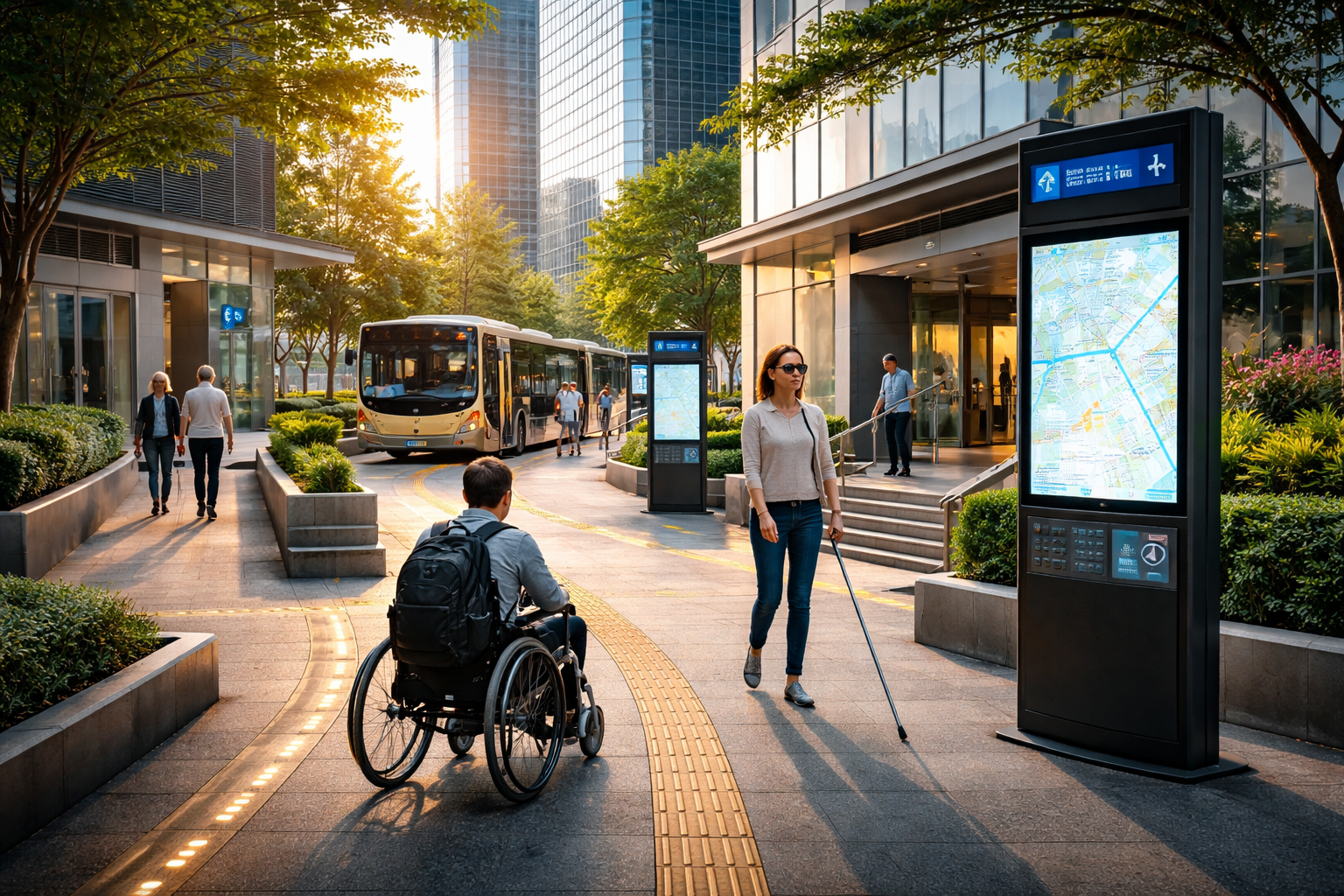
Modern environments rely heavily on advanced lighting & visibility systems to improve safety, navigation, and usability. From smart buildings and transportation hubs to digital interfaces and urban infrastructure, lighting technologies play a critical role in enabling accessible accessibility for everyone.
Accessible environments are no longer limited to ramps and elevators. Today, intelligent lighting, adaptive visibility technologies, and smart control systems are helping individuals with visual impairments, mobility challenges, and cognitive differences interact with spaces more safely and comfortably.
This article explores how advanced lighting & visibility systems support the broader concept of accessible accessibility Total, and how organizations can implement these technologies to create inclusive, intelligent environments.
Understanding Advanced Lighting & Visibility Systems
Advanced lighting & visibility systems refer to intelligent lighting technologies designed to improve visibility, safety, and accessibility in both digital and physical environments. These systems combine LED lighting, smart sensors, automation, and adaptive controls to enhance how people perceive and navigate spaces.
Unlike traditional lighting, advanced systems are dynamic and responsive. They adjust brightness, color temperature, and direction based on environmental conditions and user needs.
Common examples include:
- Adaptive LED lighting systems
- Smart wayfinding illumination
- Motion-activated pathway lighting
- High-contrast visibility lighting
- Smart building lighting control platforms
These innovations contribute directly to accessible accessibility, ensuring environments remain usable for individuals with varying abilities.
The Role of Accessible Accessibility Total in Modern Design
The concept of accessible accessibility Total emphasizes complete accessibility integration across all systems, including lighting, visibility, navigation, and digital interaction.
In modern infrastructure, accessibility should not exist as a separate feature. Instead, it must be embedded into every system.
Lighting plays a major role in this approach because visibility directly impacts how people interact with spaces.
For example:
- Visually impaired individuals rely on enhanced lighting contrast.
- Older adults benefit from glare reduction and brighter pathways.
- People with mobility limitations require well-lit navigation routes.
By integrating advanced lighting & visibility systems, organizations can strengthen their commitment to accessible accessibility Total.
How Lighting Improves Accessibility
Lighting affects how individuals perceive objects, spaces, and pathways. Poor lighting conditions can create barriers for people with visual or cognitive challenges.
Enhanced Contrast and Visibility
One of the most important accessibility benefits of modern lighting is improved contrast.
Advanced lighting systems can highlight:
- Stair edges
- Walkway boundaries
- Building entrances
- Safety signage
High-contrast illumination improves orientation and reduces the risk of accidents.
This is particularly important in hospitals, airports, and public transportation hubs where clear navigation is critical.
Glare Reduction Technology
Glare can significantly affect individuals with visual impairments or light sensitivity.
Modern advanced lighting & visibility systems incorporate glare reduction techniques such as:
- Diffused LED lighting
- Adjustable beam angles
- Smart brightness control
- Anti-glare luminaires
These features help create visually comfortable environments while maintaining optimal brightness levels.
Adaptive Brightness Control
Adaptive lighting automatically adjusts brightness levels depending on environmental conditions.
Examples include:
- Brighter illumination during nighttime
- Dimmed lighting during daylight hours
- Motion-based lighting activation
This responsiveness improves visibility while also conserving energy.
Adaptive lighting contributes to accessible accessibility Total by ensuring environments remain usable under different conditions.
Smart Lighting Technology for Accessibility
Technology has dramatically expanded the capabilities of lighting systems.
Modern infrastructure increasingly depends on digital platforms to improve accessibility for everyone. Websites, mobile applications, and smart building interfaces must be designed so people with disabilities can interact with them easily.
Following proven digital accessibility best practices for modern platforms helps organizations create systems that work with assistive technologies such as screen readers, voice commands, and adaptive navigation tools.
Sensor-Based Lighting
Motion sensors detect user presence and activate lighting automatically. This feature is especially helpful for individuals who may have difficulty operating manual switches.
Sensor-based lighting is commonly used in:
- Public restrooms
- Parking facilities
- Residential buildings
- Office corridors
This technology ensures spaces remain well-lit only when needed.
IoT Lighting Networks
Internet of Things (IoT) technology allows lighting systems to communicate with building management platforms.
IoT-enabled lighting systems can:
- Monitor lighting performance
- Adjust brightness remotely
- Detect system failures
- Collect usage data
These capabilities allow facility managers to maintain optimal lighting conditions while supporting accessibility goals.
Smart Wayfinding Systems
Navigation is one of the biggest challenges for individuals with visual or cognitive impairments.
Smart wayfinding systems combine lighting with digital guidance technologies.
Examples include:
- LED floor path lighting
- Color-coded navigation lighting
- Illuminated directional signage
- Interactive lighting guides
These systems significantly improve orientation in complex environments like airports, hospitals, and shopping malls.
Applications of Advanced Lighting & Visibility Systems
Advanced lighting technologies are used across many industries to support accessible accessibility Total.
Healthcare Facilities
Hospitals must maintain high visibility to ensure patient safety.
Advanced lighting systems help by providing:
- Illuminated pathways
- Adjustable patient room lighting
- High-contrast medical equipment visibility
- Emergency guidance lighting
These features help patients, visitors, and medical staff navigate healthcare environments safely.
Transportation Infrastructure
Transportation hubs require strong visibility systems to guide thousands of travelers every day.
Examples of accessibility-focused lighting include:
- Platform edge lighting in train stations
- Runway visibility lighting in airports
- Bus stop safety lighting
- Accessible pedestrian crossings
Lighting systems help travelers navigate large spaces with confidence.
Smart Cities
Smart cities are integrating lighting systems into urban infrastructure to improve accessibility.
Applications include:
- Smart street lighting
- Pedestrian pathway illumination
- Adaptive traffic signal lighting
- Intelligent crosswalk lighting
These systems improve safety while supporting inclusive urban design.
Commercial Buildings
Businesses also benefit from implementing advanced lighting technologies.
Office buildings and retail spaces can use lighting systems to improve accessibility for customers and employees.
Examples include:
- Automated lobby lighting
- Accessible conference room lighting
- Smart parking garage illumination
- High-visibility retail displays
These improvements contribute to better user experiences while supporting inclusive environments.
Energy Efficiency and Sustainability
While accessibility is a primary goal, advanced lighting & visibility systems also deliver significant energy efficiency benefits.
LED lighting technology consumes significantly less energy compared to traditional lighting.
Additional efficiency features include:
- Motion-activated lighting
- Daylight harvesting systems
- Smart scheduling controls
- Energy monitoring dashboards
These technologies reduce operational costs while maintaining high-quality illumination.
Sustainable lighting systems support both environmental goals and accessibility initiatives.
Designing Lighting for Accessible Accessibility Total
Organizations implementing accessibility-focused lighting should follow structured design principles.
Conduct Accessibility Assessments
Before installing new lighting systems, organizations should evaluate how lighting affects accessibility.
Assessments may include:
- Visibility audits
- User accessibility testing
- Navigation analysis
- Glare and contrast testing
These evaluations help identify areas where lighting improvements are needed.
Follow Lighting Standards
International lighting standards provide guidance for accessible lighting design.
Common standards include:
- Illuminance requirements for pathways
- Emergency lighting standards
- Accessibility lighting guidelines for public spaces
Following these standards ensures consistent and effective lighting performance.
Incorporate User Feedback
Accessibility improvements should involve feedback from individuals with disabilities.
Real user experiences help designers identify practical improvements that technical evaluations may miss.
This approach strengthens the effectiveness of accessible accessibility Total strategies.
The Future of Advanced Lighting & Visibility Systems
Technology continues to push lighting innovation forward.
Future lighting systems may include:
- AI-powered adaptive lighting
- Personalized lighting environments
- Vision-enhancing augmented reality lighting
- Intelligent visibility guidance systems
Artificial intelligence may allow lighting systems to automatically adjust based on user behavior and accessibility needs.
As these technologies evolve, lighting will become an even more powerful tool for improving accessibility.
Conclusion
Advanced lighting & visibility systems are transforming how environments support accessibility. By combining intelligent lighting technologies, smart sensors, and adaptive controls, organizations can create spaces that are safer, more navigable, and inclusive for everyone.
Integrating these systems supports the broader goal of accessible accessibility Total, ensuring that digital platforms, buildings, and urban infrastructure remain usable for individuals with diverse abilities.
Businesses, city planners, and technology developers that invest in advanced lighting solutions today will help shape a more inclusive and accessible future.