
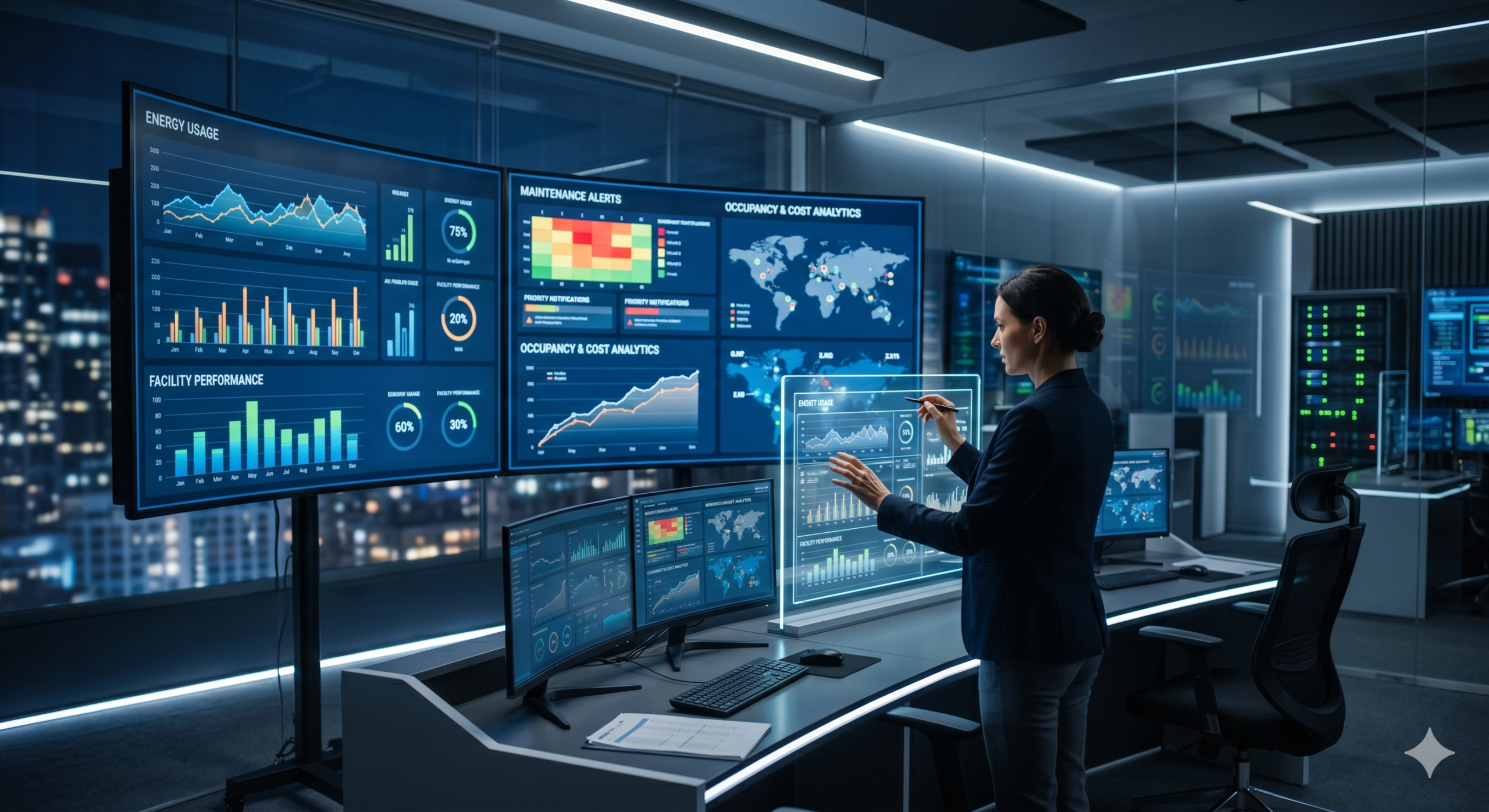
Facility performance metrics are the backbone of efficient operations in modern organizations. Whether managing commercial buildings, manufacturing plants, hospitals, or hospitality spaces, understanding how facilities perform is essential for reducing costs, improving productivity, and enhancing user experience.
In today’s data-driven environment, facility managers are no longer just responsible for maintenance—they are strategic contributors to business performance. By leveraging the right metrics, organizations can transform facilities into high-performing assets that drive measurable value.
What Are Facility Performance Metrics?
Facility performance metrics are quantifiable indicators used to measure the efficiency, effectiveness, and reliability of a facility’s operations. These metrics provide insights into how well a facility supports business goals, maintains safety standards, and optimizes resources.
They typically cover multiple areas, including:
- Maintenance and asset management
- Energy consumption
- Space utilization
- Cost efficiency
- Environmental sustainability
- Occupant satisfaction
By tracking these indicators, facility managers can identify inefficiencies, predict issues, and make informed decisions.
Why Facility Performance Metrics Matter
In 2026, facilities are becoming smarter and more integrated with digital systems. The importance of performance metrics continues to grow due to several factors:
1. Data-Driven Decision Making
Metrics provide objective data that replaces guesswork. This allows managers to prioritize investments and improvements based on real performance.
2. Cost Optimization
Facilities often represent a significant portion of operational expenses. Monitoring performance helps reduce unnecessary spending and improve ROI.
3. Regulatory Compliance
Many industries require strict compliance with safety, environmental, and operational standards. Metrics ensure adherence and reduce risk.
4. Improved User Experience
Whether employees, customers, or tenants, occupant satisfaction is directly influenced by facility performance.
5. Sustainability Goals
Tracking energy and environmental metrics supports green initiatives and corporate ESG objectives.
Key Categories of Facility Performance Metrics
To build a comprehensive performance framework, organizations must track multiple categories of facility KPIs. These include maintenance, energy efficiency, space utilization, and financial performance. Understanding these categories is essential for improving operational outcomes, as highlighted in essential facility management metrics for success.
To build a comprehensive performance framework, metrics should be grouped into key categories:
1. Maintenance Performance Metrics
Maintenance metrics help evaluate how effectively assets are managed and maintained.
Common KPIs:
- Mean Time Between Failures (MTBF)
Measures the average time between equipment breakdowns. Higher MTBF indicates reliability. - Mean Time to Repair (MTTR)
Measures how quickly issues are resolved. Lower MTTR reflects efficient maintenance. - Preventive Maintenance Compliance (%)
Indicates how much scheduled maintenance is completed on time. - Work Order Completion Rate
Tracks how many maintenance tasks are completed within a given period.
Why It Matters:
Efficient maintenance reduces downtime, extends asset lifespan, and prevents costly failures.
2. Energy and Sustainability Metrics
Energy efficiency is a critical focus for modern facilities.
Common KPIs:
- Energy Use Intensity (EUI)
Energy consumption per square meter or square foot. - Carbon Emissions (CO₂ Output)
Measures environmental impact. - Water Usage per Occupant
Tracks water efficiency. - Renewable Energy Usage (%)
Percentage of energy sourced from renewables.
Why It Matters:
Reducing energy usage lowers operational costs and supports sustainability initiatives.
3. Space Utilization Metrics
Space is one of the most expensive assets in any facility.
Common KPIs:
- Occupancy Rate (%)
Percentage of space actively used. - Space Utilization Efficiency
Measures how effectively space supports operations. - Desk or Room Utilization Rate
Tracks how often specific areas are used.
Why It Matters:
Optimizing space reduces real estate costs and improves workplace productivity.
4. Financial Performance Metrics
Financial metrics ensure facilities operate within budget while delivering value.
Common KPIs:
- Operating Cost per Square Meter
Total facility cost divided by total area. - Maintenance Cost per Asset
Helps evaluate asset efficiency. - Return on Facility Investment (ROFI)
Measures the value generated by facility investments. - Budget Variance (%)
Difference between planned and actual spending.
Why It Matters:
Financial transparency helps align facility management with organizational goals.
5. Safety and Compliance Metrics
Safety is a non-negotiable aspect of facility management.
Common KPIs:
- Incident Rate
Number of safety incidents over time. - Compliance Audit Score
Measures adherence to regulations. - Emergency Response Time
Time taken to respond to incidents.
Why It Matters:
Strong safety performance reduces risk, liability, and operational disruptions.
6. Asset Performance Metrics
Facilities rely on a wide range of assets, from HVAC systems to elevators.
Common KPIs:
- Asset Utilization Rate
Measures how often assets are used. - Asset Downtime (%)
Tracks periods when equipment is non-operational. - Lifecycle Cost of Assets
Total cost from acquisition to disposal.
Why It Matters:
Optimizing asset performance ensures reliability and reduces long-term costs.
7. Occupant Experience Metrics
Modern facilities prioritize user experience more than ever.
Common KPIs:
- Occupant Satisfaction Score
Based on surveys and feedback. - Comfort Index (Temperature, Lighting, Air Quality)
Measures environmental conditions. - Service Request Response Time
Tracks how quickly occupant issues are resolved.
Why It Matters:
Satisfied occupants are more productive and engaged, especially in workplaces.
How to Implement Facility Performance Metrics
Implementing a successful metrics framework requires a structured approach.
Step 1: Define Objectives
Align metrics with business goals. For example:
- Reduce operational costs
- Improve energy efficiency
- Enhance occupant satisfaction
Step 2: Select Relevant KPIs
Choose metrics that directly impact your objectives. Avoid tracking too many metrics at once.
Step 3: Use Technology and Tools
Modern facility management relies on digital platforms such as:
- Computerized Maintenance Management Systems (CMMS)
- Integrated Workplace Management Systems (IWMS)
- IoT sensors and smart building technologies
These tools automate data collection and provide real-time insights.
Step 4: Establish Benchmarks
Compare performance against industry standards or historical data.
Step 5: Monitor and Analyze
Continuously track metrics and identify trends, anomalies, and improvement areas.
Step 6: Optimize and Improve
Use insights to implement changes, then measure results for continuous improvement.
Challenges in Managing Facility Metrics
While metrics offer significant benefits, organizations often face challenges:
Data Overload
Too much data can overwhelm teams. Focus on actionable insights rather than raw numbers.
Integration Issues
Combining data from multiple systems can be complex without proper tools.
Lack of Standardization
Different facilities may use different metrics, making comparisons difficult.
Resistance to Change
Teams may be hesitant to adopt data-driven approaches without proper training.
Best Practices for Facility Performance Management
To maximize the impact of facility performance metrics, follow these expert strategies:
1. Focus on Actionable Metrics
Track metrics that directly influence decision-making and outcomes.
2. Automate Data Collection
Use smart technologies to reduce manual effort and improve accuracy.
3. Visualize Data Clearly
Dashboards and reports make it easier to interpret complex data.
4. Align with Business Strategy
Ensure facility metrics support broader organizational goals.
5. Review Regularly
Metrics should be reviewed frequently to stay relevant and effective.
Future Trends in Facility Performance Metrics
Facility management is evolving rapidly, driven by technological innovation.
Smart Buildings and IoT
Sensors provide real-time data on energy use, occupancy, and equipment performance.
AI and Predictive Analytics
Artificial intelligence predicts failures before they occur, reducing downtime.
Sustainability Integration
Metrics are increasingly aligned with ESG (Environmental, Social, Governance) goals.
Digital Twins
Virtual replicas of facilities allow simulation and optimization of performance.
Conclusion
Facility performance metrics are essential tools for modern organizations seeking efficiency, sustainability, and operational excellence. By tracking the right KPIs across maintenance, energy, space, financials, safety, and occupant experience, facility managers can transform buildings into strategic assets.
In 2026 and beyond, success in facility management will depend on the ability to harness data, leverage technology, and continuously optimize performance. Organizations that invest in robust performance measurement frameworks will gain a competitive advantage through reduced costs, improved reliability, and enhanced user satisfaction.