
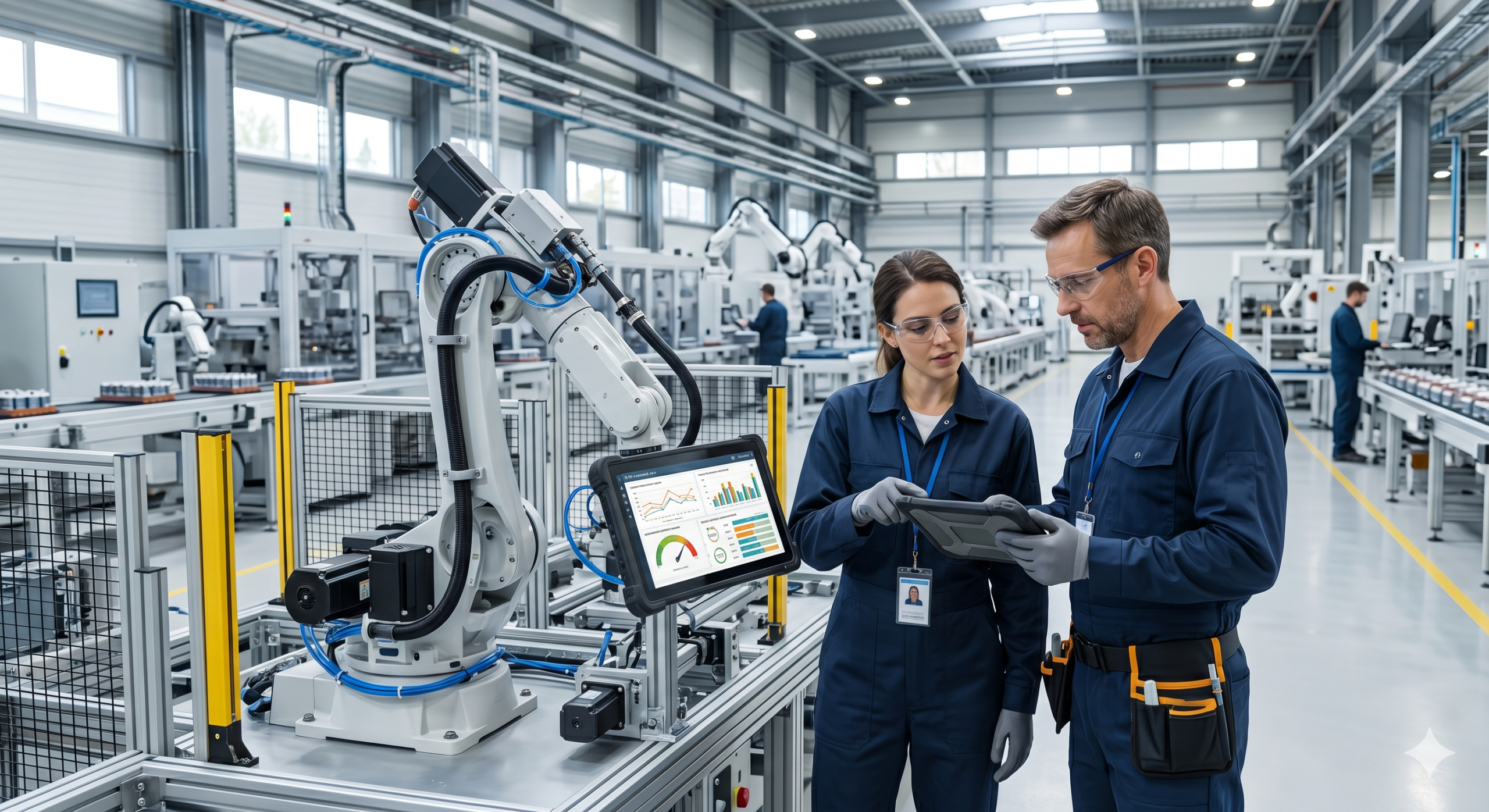
Reliability-Centered Maintenance (RCM) is a structured approach to maintenance that focuses on ensuring systems and assets perform their intended functions reliably and efficiently. In today’s data-driven and technology-enabled environment, organizations are moving beyond reactive maintenance toward predictive and reliability-focused strategies.
RCM is widely used across industries such as manufacturing, aviation, energy, healthcare, and facilities management. By prioritizing critical assets and applying the right maintenance strategies, businesses can reduce downtime, extend equipment life, and improve operational performance.
This guide provides a comprehensive, expert-level overview of Reliability-Centered Maintenance, including principles, processes, benefits, and implementation strategies for 2026.
What Is Reliability-Centered Maintenance (RCM)?
Reliability-Centered Maintenance (RCM) is a maintenance strategy that determines the most effective approach to maintaining equipment based on its function, failure modes, and operational context.
Instead of performing routine maintenance on all assets, RCM focuses on:
- Identifying critical equipment
- Understanding potential failure modes
- Selecting appropriate maintenance strategies
- Minimizing risk and operational impact
The goal is to ensure that assets continue to perform their intended functions with minimal disruption.
Why Reliability-Centered Maintenance Matters
RCM has become essential for organizations seeking to optimize performance and reduce costs.
1. Reduced Equipment Downtime
RCM identifies potential failures before they occur, preventing unexpected breakdowns.
2. Improved Asset Reliability
Critical systems are maintained more effectively, ensuring consistent performance.
3. Cost Optimization
Resources are allocated based on asset importance, reducing unnecessary maintenance.
4. Enhanced Safety
RCM minimizes risks associated with equipment failure.
5. Data-Driven Decision Making
Maintenance strategies are based on real data and analysis.
Core Principles of Reliability-Centered Maintenance
RCM is built on several fundamental principles:
Function-Oriented Approach
Focus on what the asset is supposed to do, rather than just the asset itself.
Failure Analysis
Understand how and why assets fail.
Risk-Based Prioritization
Prioritize maintenance based on risk and impact.
Proactive Maintenance
Prevent failures instead of reacting to them.
Continuous Improvement
Regularly update strategies based on new data and insights.
The RCM Process: Step-by-Step
Implementing RCM involves a structured methodology.
1. Identify Critical Assets
Not all equipment requires the same level of attention.
Criteria for Criticality:
- Impact on operations
- Safety implications
- Replacement cost
- Downtime consequences
2. Define Functions and Performance Standards
Determine what each asset is expected to do.
Example:
- HVAC system: Maintain temperature within a specified range
- Generator: Provide backup power during outages
3. Identify Failure Modes
Failure modes describe how an asset can fail.
Examples:
- Mechanical wear
- Electrical faults
- Corrosion
- Software malfunction
4. Analyze Failure Effects
Understand the consequences of each failure.
Questions to Consider:
- Does the failure affect safety?
- Will it disrupt operations?
- What is the financial impact?
5. Select Maintenance Strategies
Selecting the right maintenance strategy for each failure mode is critical to the success of RCM. Organizations often follow structured frameworks that outline reliability-centered maintenance process and implementation steps to ensure consistent and effective execution.
Types of Maintenance:
Preventive Maintenance
Scheduled maintenance to prevent failures.
Predictive Maintenance
Uses data and sensors to predict failures.
Condition-Based Maintenance
Maintenance based on real-time asset condition.
Corrective Maintenance
Repairs after a failure occurs.
6. Implement the Maintenance Plan
Deploy the selected strategies across the organization.
Key Activities:
- Assign responsibilities
- Schedule maintenance tasks
- Integrate with maintenance systems
7. Monitor and Improve
RCM is an ongoing process.
Continuous Activities:
- Track performance metrics
- Analyze failures
- Update maintenance strategies
Key Technologies Supporting RCM
Modern RCM relies on advanced technologies to enhance effectiveness.
Internet of Things (IoT)
Sensors collect real-time data on equipment performance.
Artificial Intelligence (AI)
AI analyzes data to predict failures and optimize maintenance schedules.
Computerized Maintenance Management Systems (CMMS)
Centralized platforms for managing maintenance activities.
Digital Twins
Virtual models simulate asset performance and predict issues.
Data Analytics Platforms
Provide insights into asset performance and maintenance trends.
Key Metrics in Reliability-Centered Maintenance
To measure success, organizations track specific KPIs:
- Mean Time Between Failures (MTBF)
- Mean Time to Repair (MTTR)
- Equipment uptime (%)
- Maintenance cost per asset
- Failure rate
These metrics help evaluate the effectiveness of RCM strategies.
Benefits of Reliability-Centered Maintenance
Organizations that implement RCM gain significant advantages:
Increased Reliability
Assets perform consistently with fewer disruptions.
Reduced Maintenance Costs
Focus on critical assets reduces unnecessary work.
Extended Asset Lifespan
Proper maintenance prolongs equipment life.
Improved Safety
Reduced risk of hazardous failures.
Better Resource Allocation
Efficient use of labor and materials.
Challenges in Implementing RCM
Despite its benefits, RCM can present challenges:
High Initial Investment
Technology and training require upfront costs.
Data Complexity
Managing large volumes of data can be difficult.
Resistance to Change
Teams may be hesitant to adopt new strategies.
Skill Requirements
RCM requires expertise in analysis and technology.
Best Practices for Successful RCM Implementation
To maximize success, follow these expert strategies:
1. Start with Critical Assets
Focus on high-impact equipment first.
2. Use Data-Driven Insights
Leverage analytics for decision-making.
3. Integrate Technology
Adopt IoT, AI, and CMMS platforms.
4. Train Your Team
Ensure staff understand RCM principles.
5. Standardize Processes
Create consistent maintenance procedures.
6. Monitor Performance
Continuously track and improve strategies.
Real-World Example of RCM
Consider a manufacturing facility implementing RCM:
Scenario:
- Frequent machine breakdowns affecting production
Solution:
- Identify critical machines
- Install IoT sensors for monitoring
- Implement predictive maintenance
Result:
- Reduced downtime by 30%
- Lower maintenance costs
- Improved production efficiency
Future Trends in Reliability-Centered Maintenance
RCM continues to evolve with technology.
AI-Driven Predictive Maintenance
Advanced algorithms predict failures with high accuracy.
Smart Factories
Connected systems enable automated maintenance.
Sustainability Integration
RCM supports energy efficiency and waste reduction.
Cloud-Based Platforms
Remote monitoring and management of assets.
Conclusion
Reliability-Centered Maintenance (RCM) is a powerful strategy for optimizing asset performance and ensuring operational reliability. By focusing on critical assets, understanding failure modes, and leveraging modern technologies, organizations can significantly improve efficiency and reduce costs.
In 2026 and beyond, businesses that adopt RCM will be better equipped to handle complex operational challenges and maintain a competitive edge. A proactive, data-driven approach to maintenance is the key to long-term success.