
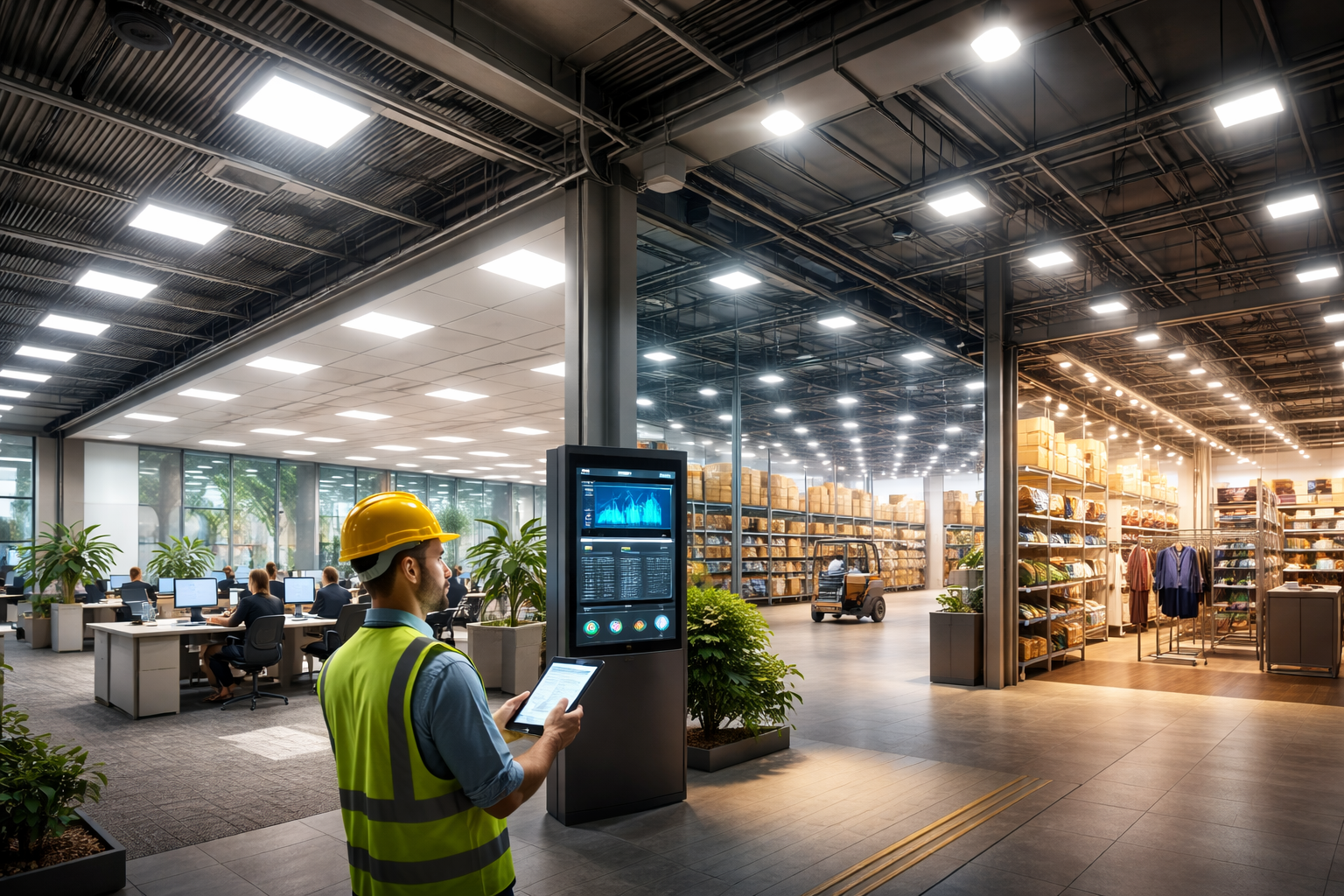
In modern infrastructure, commercial electric lighting Total plays a critical role in ensuring productivity, safety, and energy efficiency across workplaces and public facilities. Businesses today rely on advanced electric lighting systems to illuminate offices, warehouses, retail stores, and industrial environments while reducing energy costs and improving operational performance.
With the rise of LED technology, smart lighting controls, and automated lighting networks, commercial electric lighting has evolved far beyond simple illumination. Organizations now implement intelligent lighting solutions that integrate with building management systems, enabling businesses to optimize energy usage, enhance visibility, and create comfortable work environments.
This comprehensive guide explains what commercial electric lighting Total means, how modern systems work, and how organizations can implement efficient lighting strategies for commercial environments.
What Is Commercial Electric Lighting Total?
Commercial facilities rely on reliable lighting infrastructure to maintain productivity, safety, and energy efficiency. Modern businesses implement advanced lighting technologies such as LED fixtures, smart controls, and automated energy management systems. A detailed commercial lighting solutions guide explains how businesses can choose the right lighting systems to improve efficiency and sustainability in commercial environments.
Unlike residential lighting, commercial electric lighting systems are designed to handle larger spaces, longer operating hours, and higher illumination requirements. Businesses require consistent and reliable lighting to support daily operations and ensure workplace safety.
Typical environments that depend on commercial electric lighting include:
- Office buildings
- Manufacturing facilities
- Warehouses and distribution centers
- Hospitals and healthcare facilities
- Retail stores and shopping malls
- Educational institutions
These systems must provide consistent brightness, durability, and energy efficiency to support commercial operations.
Key Components of Commercial Electric Lighting Systems
A modern commercial electric lighting Total system includes multiple integrated components that work together to provide efficient illumination.
Lighting Fixtures
Lighting fixtures are the physical units that house the light source and distribute illumination across the space.
Common commercial lighting fixtures include:
- LED panel lights
- Troffer lights for office ceilings
- High-bay lighting for warehouses
- Floodlights for outdoor areas
- Track lighting for retail displays
Modern fixtures are engineered to maximize light distribution while reducing energy consumption.
Electrical Distribution Systems
Commercial lighting relies on a reliable electrical infrastructure to deliver power safely and efficiently.
Electrical distribution systems include:
- Circuit breakers
- Electrical panels
- Wiring and conduits
- Power supply networks
These components ensure that lighting systems operate consistently and safely across the facility.
Lighting Control Systems
Lighting control systems allow businesses to manage lighting performance more efficiently.
These systems may include:
- Timers and scheduling controls
- Occupancy sensors
- Daylight harvesting sensors
- Remote lighting management platforms
Lighting control technologies enable organizations to reduce energy consumption while maintaining optimal lighting conditions.
The Importance of Commercial Electric Lighting in Businesses
Businesses invest in commercial electric lighting Total systems because lighting significantly impacts workplace productivity, safety, and operational efficiency.
Workplace Productivity
Lighting quality directly affects employee performance. Poor lighting can cause eye strain, fatigue, and decreased concentration.
High-quality commercial lighting provides:
- Consistent brightness levels
- Reduced glare
- Balanced illumination across workspaces
These improvements create comfortable environments that support employee productivity.
Safety and Visibility
Safety is one of the most important reasons businesses implement advanced lighting systems.
Well-designed lighting improves visibility in:
- Warehouse aisles
- Industrial production floors
- Parking facilities
- Stairwells and emergency exits
Proper illumination reduces accidents and ensures employees can navigate workspaces safely.
Customer Experience
Lighting also influences customer behavior in retail and hospitality environments.
Retail stores often use specialized lighting to highlight products and create attractive displays. Restaurants and hotels use lighting to establish comfortable atmospheres for guests.
Strategic lighting design enhances the overall customer experience.
Energy Efficiency in Commercial Electric Lighting
Energy efficiency has become a major priority for businesses implementing lighting systems. Lighting can represent a significant portion of a building’s energy consumption.
Modern commercial electric lighting Total systems focus on reducing energy use while maintaining high performance.
LED Lighting Technology
LED lighting has become the industry standard for commercial environments.
Advantages of LED lighting include:
- Lower electricity consumption
- Longer lifespan compared to traditional bulbs
- Reduced maintenance costs
- Instant illumination
LED lights can last up to 50,000 hours or more, making them ideal for commercial facilities that operate continuously.
Smart Lighting Automation
Smart lighting automation systems help businesses optimize lighting usage.
Examples include:
- Motion sensors that activate lighting only when needed
- Automated brightness adjustments based on daylight levels
- Remote lighting monitoring through cloud platforms
These systems significantly reduce energy waste and operating costs.
Daylight Harvesting Systems
Daylight harvesting technology adjusts artificial lighting levels based on natural sunlight entering the building.
Sensors detect daylight levels and automatically dim electric lighting when natural light is available.
This approach improves energy efficiency while maintaining consistent illumination.
Applications of Commercial Electric Lighting
Commercial lighting systems are used across many industries to support different operational requirements.
Office Buildings
Offices require balanced lighting that supports productivity while minimizing eye strain.
Typical office lighting solutions include:
- LED panel lighting
- Adjustable task lighting
- Smart lighting control systems
These solutions provide comfortable working environments for employees.
Warehouses and Distribution Centers
Warehouses require high-intensity lighting to illuminate large storage areas and tall shelving systems.
High-bay LED lighting is commonly used in these environments because it provides powerful illumination while remaining energy efficient.
Good lighting improves accuracy in inventory management and reduces workplace accidents.
Healthcare Facilities
Hospitals and clinics depend on reliable lighting for medical procedures and patient care.
Healthcare lighting systems must provide:
- Bright examination lighting
- Adjustable patient room lighting
- Emergency lighting systems
These systems ensure safety and comfort for both patients and healthcare professionals.
Retail and Commercial Spaces
Retail stores rely heavily on lighting to attract customers and highlight products.
Common retail lighting systems include:
- Track lighting
- Accent lighting
- Display lighting
Strategic lighting enhances product visibility and encourages customer engagement.
Smart Technology and IoT in Commercial Lighting
Advancements in digital technology have transformed how lighting systems operate.
Modern commercial electric lighting Total solutions often integrate with Internet of Things (IoT) platforms.
IoT-enabled lighting systems allow businesses to:
- Monitor lighting energy consumption
- Control lighting remotely
- Automate lighting schedules
- Receive system maintenance alerts
These smart capabilities allow facility managers to optimize lighting performance while reducing operational costs.
Designing an Effective Commercial Lighting System
When designing a commercial lighting system, businesses must consider several factors.
Lighting Layout and Distribution
Proper lighting placement ensures consistent illumination across the facility.
Lighting designers analyze factors such as:
- Ceiling height
- Workspace layout
- Required brightness levels
- Task-specific lighting needs
A well-designed layout improves both functionality and energy efficiency.
Compliance with Lighting Standards
Commercial buildings must comply with lighting standards and energy regulations.
Standards may include:
- Minimum illumination requirements
- Emergency lighting regulations
- Energy efficiency codes
Following these standards ensures safety and legal compliance.
Maintenance Planning
Regular maintenance is essential to ensure lighting systems remain efficient.
Maintenance tasks include:
- Replacing damaged fixtures
- Cleaning lighting components
- Monitoring energy consumption
LED lighting systems require less maintenance but still benefit from periodic inspections.
The Future of Commercial Electric Lighting
The future of commercial electric lighting Total will be driven by smart technologies and sustainability initiatives.
Emerging innovations include:
- AI-powered lighting automation
- Human-centric lighting that adapts to circadian rhythms
- Smart building integration
- Renewable energy-powered lighting systems
These technologies will further improve lighting efficiency, workplace comfort, and environmental sustainability.
Conclusion
Commercial electric lighting Total is an essential component of modern business infrastructure. By combining energy-efficient lighting technologies, intelligent control systems, and advanced electrical design, businesses can create safe, productive, and sustainable environments.
As lighting technology continues to evolve, organizations that invest in advanced commercial lighting systems will benefit from reduced energy costs, improved workplace performance, and enhanced operational efficiency.
Implementing modern commercial electric lighting solutions ensures that businesses remain competitive while supporting sustainability and innovation in today’s rapidly advancing commercial landscape.