
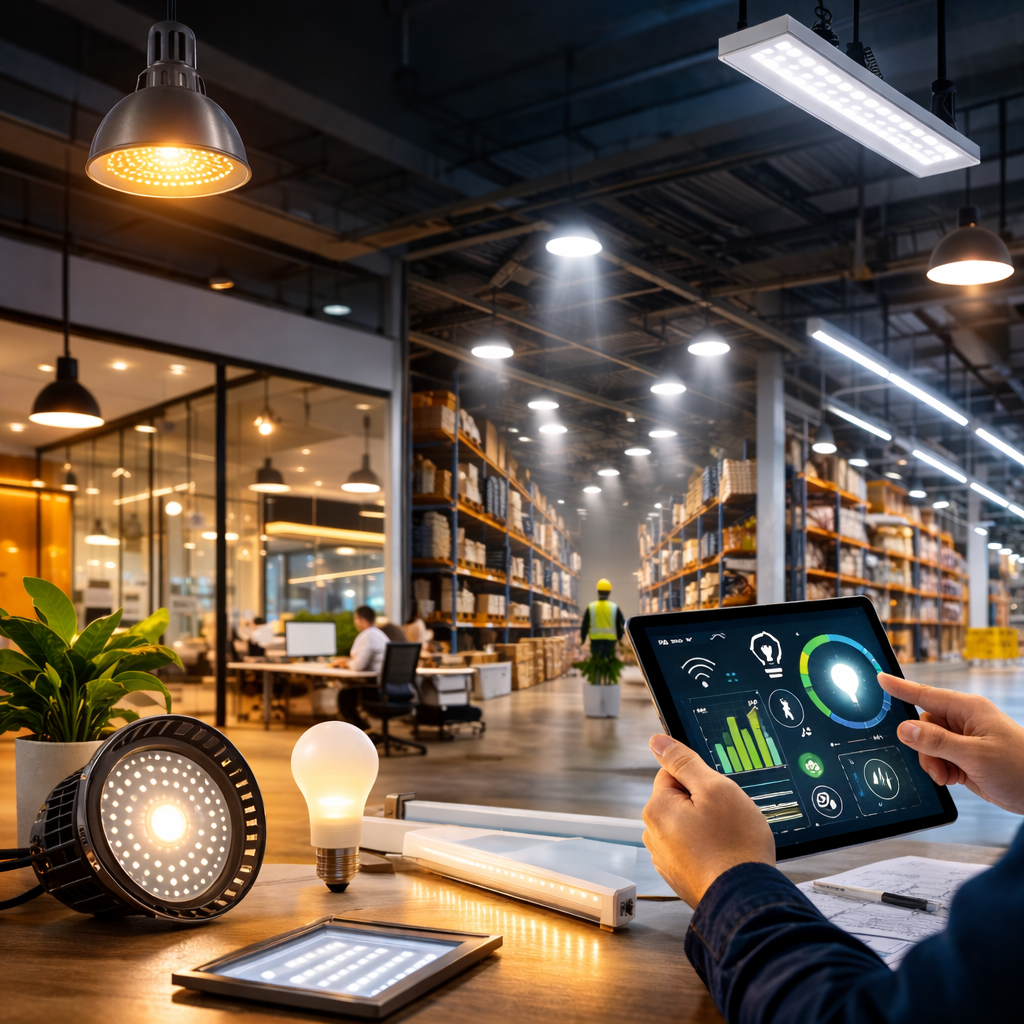
Commercial lighting systems play a critical role in modern business environments. From offices and retail stores to warehouses and industrial facilities, the right lighting system improves productivity, enhances safety, and significantly reduces energy costs. With rapid advancements in lighting technology—especially LED solutions and smart lighting—commercial lighting has evolved from simple illumination into an intelligent infrastructure that supports efficiency, automation, and sustainability.
This comprehensive guide explains what commercial lighting systems are, the types available, key components, and how businesses can optimize lighting performance for maximum efficiency and long-term savings.
What Are Commercial Lighting Systems?
Commercial lighting systems refer to integrated lighting solutions designed specifically for business and industrial environments. Unlike residential lighting, commercial systems are engineered for larger spaces, longer operating hours, and stricter energy efficiency requirements.
These systems typically include:
- Lighting fixtures
- Electrical distribution components
- Lighting controls and sensors
- Energy management software
- Smart automation technology
The goal of a commercial lighting system is not just illumination, but also operational efficiency, environmental sustainability, and user comfort.
Businesses today are increasingly adopting advanced lighting infrastructure to comply with energy regulations while lowering operational expenses.
Types of Commercial Lighting Systems
Different commercial environments require different lighting configurations. Choosing the correct system depends on the space, application, and energy goals. Commercial environments require specialized illumination designed for efficiency, safety, and long operating hours.
Businesses today rely on modern commercial lighting solutions that combine LED technology, automation, and intelligent controls to improve building performance. For a deeper breakdown of system types and installation considerations, this Complete FAQ guide to commercial lighting solutions explains how modern lighting systems enhance efficiency and sustainability in commercial buildings.
1. LED Commercial Lighting
LED lighting has become the industry standard for commercial buildings. Compared to traditional lighting technologies such as fluorescent or halogen, LED systems offer superior efficiency and longevity.
Key benefits include:
- Up to 75% energy savings
- Lifespan exceeding 50,000 hours
- Reduced maintenance costs
- Instant illumination without warm-up time
LED lighting is commonly used in offices, retail stores, hospitals, schools, and warehouses.
2. Smart Lighting Systems
Smart lighting integrates sensors, automation, and software-based controls to optimize energy usage and user experience.
Common features include:
- Motion detection
- Daylight harvesting
- Remote monitoring
- Automated scheduling
- Mobile app or cloud control
Smart commercial lighting systems can reduce energy consumption by an additional 20–30% beyond standard LED installations.
3. Industrial High-Bay Lighting
High-bay lighting is designed for facilities with high ceilings such as factories, logistics centers, and large warehouses.
Typical characteristics:
- Powerful lumen output
- Wide beam angles
- Durable housing for harsh environments
- Long operational lifespan
Modern LED high-bay lighting improves visibility for workers while reducing electricity usage in large facilities.
4. Emergency and Safety Lighting
Safety regulations require commercial buildings to include emergency lighting systems that activate during power outages.
These systems provide illumination for:
- Exit pathways
- Stairwells
- Emergency evacuation routes
Battery backups and automatic switching ensure that safety lighting remains operational even during electrical failures.
Key Components of Commercial Lighting Systems
An effective commercial lighting infrastructure consists of several integrated components working together to provide efficient illumination.
Lighting Fixtures
Fixtures are the physical units that house the light source. Common types include:
- Troffers for office ceilings
- Panel lights for modern workspaces
- High-bay fixtures for industrial facilities
- Floodlights for outdoor applications
Modern fixtures are designed to maximize light distribution while minimizing glare.
Lighting Controls
Lighting control systems are the intelligence behind modern commercial lighting setups.
These controls manage:
- Automatic on/off scheduling
- Dimming adjustments
- Occupancy-based activation
- Energy monitoring
Advanced control platforms allow facility managers to manage lighting across multiple buildings from a single interface.
Sensors and Automation
Sensors help optimize lighting performance by adjusting output based on environmental conditions.
Examples include:
- Occupancy sensors that activate lights when people enter a room
- Daylight sensors that dim lights when natural sunlight is available
- Motion detectors for security lighting
Automation ensures lighting is only used when necessary, improving efficiency and lowering electricity bills.
Energy Management Systems
Energy management platforms track lighting consumption in real time. These systems help businesses analyze usage patterns and identify areas where efficiency improvements can be made.
Many modern commercial lighting systems integrate with building management systems (BMS), allowing centralized control of lighting, HVAC, and other infrastructure.
Benefits of Modern Commercial Lighting Systems
Businesses that upgrade to modern commercial lighting technologies gain several operational advantages.
Energy Efficiency
Energy-efficient lighting significantly reduces electricity consumption. LED lighting and smart control systems together can cut lighting costs by up to 80%.
Lower energy consumption also contributes to corporate sustainability goals and reduced carbon emissions.
Improved Workplace Productivity
Lighting quality directly affects employee performance and well-being. Poor lighting can cause eye strain, fatigue, and reduced concentration.
Modern commercial lighting systems provide:
- Balanced brightness
- Reduced glare
- Consistent illumination
- Adjustable color temperatures
These improvements create a more comfortable and productive work environment.
Lower Maintenance Costs
Traditional lighting systems require frequent bulb replacements and ongoing maintenance.
LED lighting dramatically reduces maintenance needs due to its extended lifespan. In large commercial buildings, this translates into significant cost savings over time.
Regulatory Compliance
Many countries and local governments enforce strict energy efficiency regulations for commercial buildings.
Modern lighting systems help businesses comply with standards such as:
- Energy codes
- Green building certifications
- Sustainability programs
Compliance not only avoids penalties but may also qualify businesses for energy rebates and tax incentives.
Smart Commercial Lighting and IoT Integration
The rise of the Internet of Things (IoT) has transformed commercial lighting into a connected technology ecosystem.
Smart lighting networks allow businesses to:
- Monitor energy consumption in real time
- Automate lighting schedules
- Adjust brightness remotely
- Integrate with security and facility systems
Cloud-based platforms can analyze data from lighting sensors to optimize building performance and identify inefficiencies.
For example, retail stores can use smart lighting to highlight product displays, while offices can automatically adjust lighting based on occupancy patterns.
Outdoor Commercial Lighting Systems
Outdoor lighting is another important aspect of commercial infrastructure.
Common outdoor applications include:
- Parking lot lighting
- Security lighting
- Landscape illumination
- Building facade lighting
LED floodlights and smart outdoor lighting systems improve security while minimizing energy waste. Motion detection and scheduled lighting can reduce unnecessary nighttime energy usage.
Choosing the Right Commercial Lighting System
Selecting the appropriate lighting system requires evaluating several factors.
Building Size and Layout
Large facilities require higher lumen output and wider beam coverage. Lighting placement should minimize shadows and ensure uniform illumination.
Energy Efficiency Goals
Organizations seeking sustainability certifications should prioritize high-efficiency LED systems with smart controls.
Lighting Control Capabilities
Businesses with multiple facilities may benefit from centralized lighting management platforms.
Installation and Maintenance Costs
Although advanced lighting systems may have higher upfront costs, the long-term savings from energy efficiency and reduced maintenance typically outweigh the initial investment.
Future Trends in Commercial Lighting
Commercial lighting technology continues to evolve rapidly. Several emerging trends are shaping the future of lighting systems.
Human-Centric Lighting
Human-centric lighting adjusts color temperature throughout the day to mimic natural sunlight, improving employee well-being and productivity.
AI-Powered Lighting Optimization
Artificial intelligence can analyze building usage patterns and automatically adjust lighting settings to maximize efficiency.
Integrated Smart Buildings
Lighting systems are increasingly integrated with smart building infrastructure, including climate control, security, and energy monitoring platforms.
This integration allows building operators to manage all systems from a unified dashboard.
Conclusion
Commercial lighting systems have become an essential component of modern business infrastructure. By combining energy-efficient LED technology, intelligent controls, and smart automation, organizations can significantly reduce operating costs while improving workplace safety and productivity.
As businesses continue to embrace smart building technologies, commercial lighting will play an increasingly important role in energy management and operational efficiency.
Investing in advanced commercial lighting systems is no longer just about illumination—it is about creating smarter, more sustainable, and future-ready business environments.