
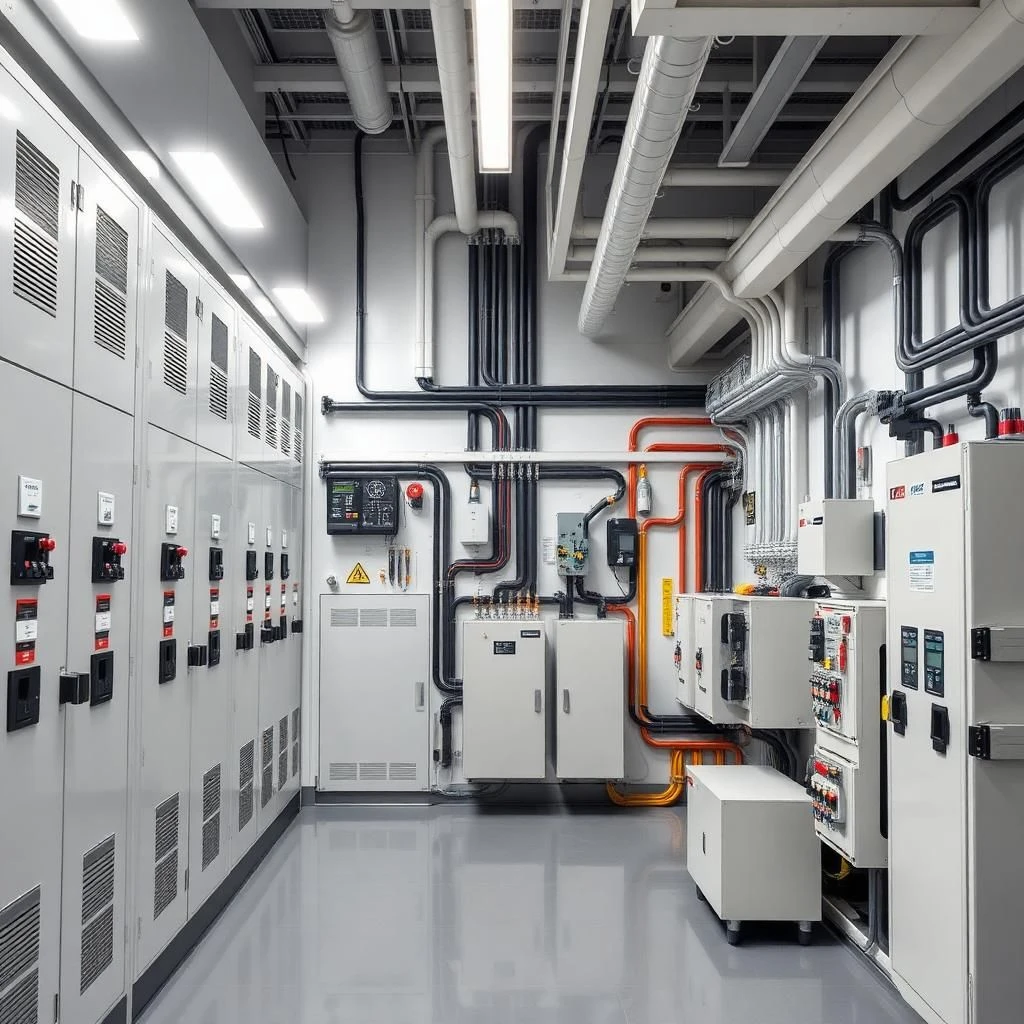
Electrical Systems Fundamentals are essential for designing, operating, and maintaining modern buildings. They ensure reliable, safe, and efficient delivery of electricity to all systems, from lighting and HVAC to automation and safety infrastructure. Understanding these fundamentals is crucial for electrical systems engineers who are responsible for optimizing building performance, safety, and sustainability. This article explores the key components, design principles, safety considerations, and emerging trends in electrical systems fundamentals for buildings.
Understanding Electrical Systems Fundamentals in Buildings
Electrical systems fundamentals in buildings include all equipment, devices, and wiring that distribute and control electricity. They are a cornerstone of building services engineering, along with mechanical and plumbing systems. Key components include:
- Power distribution systems – transformers, switchgear, circuit breakers
- Lighting systems – LED fixtures, emergency lighting, smart controls
- Backup power systems – generators, UPS, battery storage
- Wiring and cabling – conductors, conduits, raceways
- Control and automation systems – building automation systems (BAS), sensors, relays
- Safety systems – grounding, surge protection, fire alarms
Proper implementation of electrical systems fundamentals ensures safety, efficiency, and compliance with codes and standards.
Core Components of Electrical Systems Fundamentals
Electrical systems rely on several interrelated components that form the backbone of building operations.
Power Distribution in Electrical Systems Fundamentals
Power distribution is a critical element and delivering electricity from the main utility connection to all areas of a building. Essential elements include:
- Transformers – step down high-voltage electricity to usable levels
- Switchgear – control circuits and isolate equipment for maintenance
- Circuit breakers and fuses – protect wiring and devices from overloads
Engineers must carefully plan distribution systems to ensure energy efficiency, load balancing, and safety.
Lighting Systems Fundamentals
Lighting is a key aspect of electrical systems fundamentals. Modern buildings incorporate:
- LED fixtures – energy-efficient and long-lasting
- Smart lighting controls – sensors, timers, and dimmers to reduce energy use
- Emergency lighting – ensures safe evacuation during power outages
Lighting design is informed by lumens, fixture placement, and energy efficiency, aligning with best practices in electrical engineering.
Backup Power
Backup power solutions maintain essential systems during outages. Components include:
- Generators – provide emergency power for critical systems
- Uninterruptible Power Supply (UPS) – ensures continuous operation for sensitive equipment
- Battery storage – supports energy efficiency and peak load management
Integrating backup systems is a core part and ensuring resilience and operational continuity.
Wiring and Cabling Fundamentals
Wiring and cabling are the physical medium for electricity. Best practices include:
- Conductors – copper or aluminum sized for load requirements
- Conduits and raceways – protect wires and organize layouts
- Cable management – labeling, bundling, and routing for safety and maintenance
Proper design and installation of wiring systems are essential for electrical infrastructure fundamentals and code compliance.
Control and Automation
Modern buildings use automation to enhance efficiency and performance. Key systems include:
- Building Automation Systems (BAS) – central control of lighting, HVAC, and security
- Sensors and relays – automate functions based on occupancy or environmental conditions
- Programmable Logic Controllers (PLC) – control equipment operations with precision
Automation is an advanced application and enabling predictive maintenance and energy optimization.
Safety Systems in Electrical Systems Fundamentals
Safety is a non-negotiable aspect of electrical systems. Important features include:
- Grounding and bonding – protect occupants and equipment
- Surge protection – safeguard against voltage spikes
- Fire alarm integration – coordinate smoke detectors, alarms, and emergency communication
Following electrical systems fundamentals ensures safety, reliability, and code compliance.
Design Considerations
Load Calculations
Engineers calculate electrical loads to prevent overloading circuits and optimize energy efficiency. Accurate calculations are a fundamental part of electrical systems fundamentals, ensuring that all building systems receive adequate power.
Energy Efficiency
Energy-efficient electrical design reduces operational costs and environmental impact. Strategies include:
- Using LED and smart lighting controls
- Integrating building automation for load management
- Monitoring energy consumption with smart meters
Space Planning and Routing
Electrical systems require careful planning of equipment rooms, panel locations, and conduit routing. Proper layout supports maintenance, minimizes energy loss, and aligns with it.
Compliance with Codes and Standards
All electrical systems must comply with:
- National Electrical Code (NEC)
- IEEE standards
- Local building codes and energy efficiency regulations
Adhering to these standards ensures safe and reliable operation.
Smart Building Integration
Integrating electrical systems with smart building technology allows:
- Remote monitoring and control of building systems
- Predictive maintenance based on sensor data
- Optimized energy use and sustainability
Smart technology is increasingly part of modern electrical systems fundamentals, enhancing building performance.
Maintenance and Lifecycle Management
Proper maintenance ensures reliability and longevity:
- Inspect and test panels, circuit breakers, and transformers
- Replace damaged wiring or components
- Service backup generators and UPS systems
- Update automation systems and sensors
Regular maintenance is a practical application and supporting safe and efficient operation.
Emerging Trends
Electrical systems are evolving rapidly. Key trends include:
- Renewable energy integration – solar PV, wind, and battery storage
- Smart grids – efficient load distribution and monitoring
- IoT devices – predictive maintenance and real-time monitoring
- Energy-efficient building design – LEED certification, net-zero energy, and sustainable practices
Electrical systems engineers are critical in implementing these innovations, ensuring buildings are safe, efficient, and sustainable.
Conclusion
Electrical systems fundamentals are essential for safe, efficient, and reliable building operation. From power distribution and lighting to backup power, automation, and safety, mastering these fundamentals is crucial for engineers, architects, and facility managers.
Learn more about see: Mechanical Systems in Buildings.
Engineers ensure buildings operate efficiently, meet safety standards, and integrate emerging technologies. With the rise of smart buildings and renewable energy, the role of electrical systems engineers has never been more important for designing resilient, energy-efficient, and safe infrastructure.