
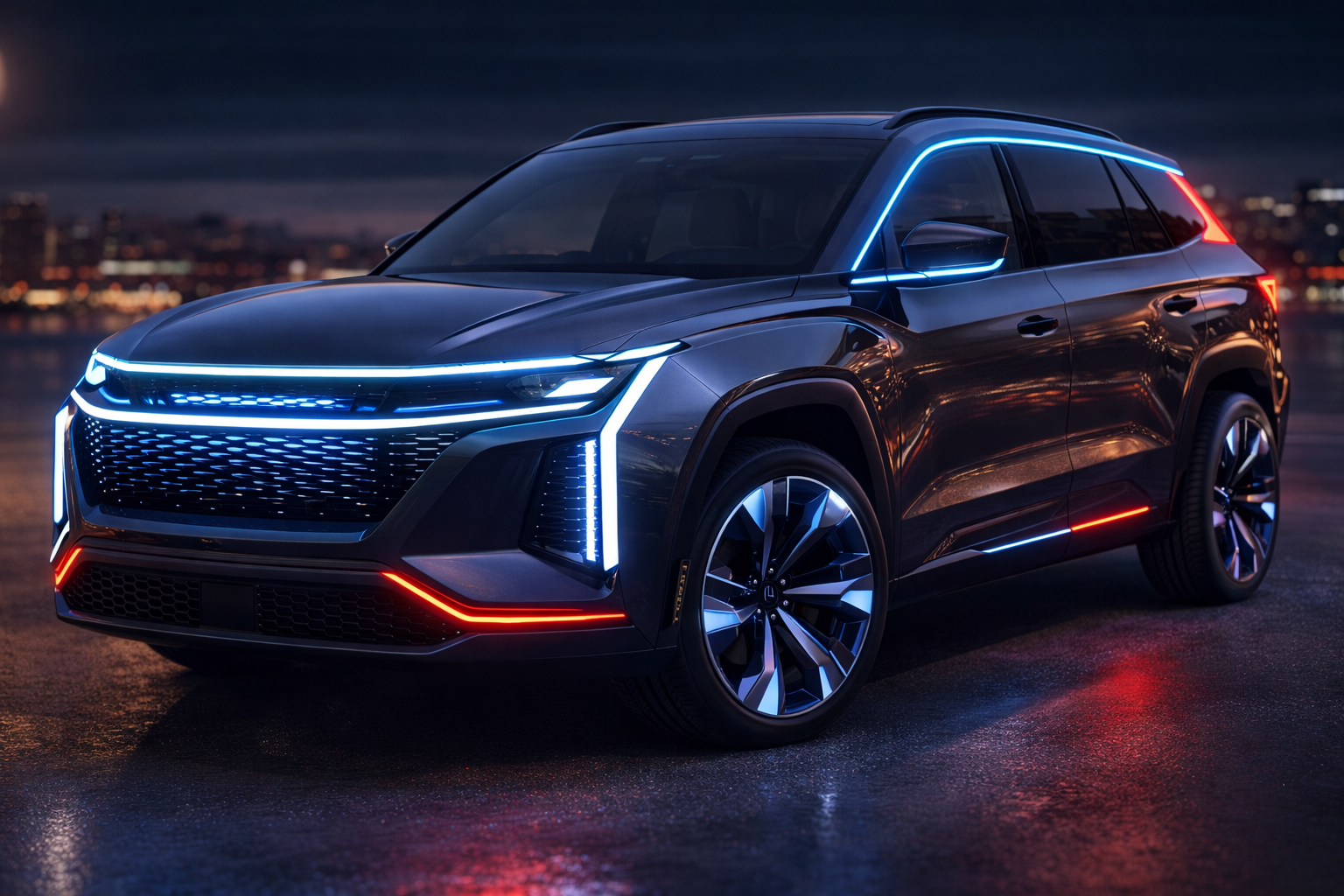
Modern vehicles rely heavily on advanced lighting technology to improve safety, visibility, and driving comfort. Exterior lighting for cars Total refers to the complete system of lighting components installed on the outside of a vehicle. These lighting systems help drivers see the road clearly while also allowing other drivers and pedestrians to detect the vehicle in various conditions.
Over the past decade, automotive lighting technology has evolved rapidly. Manufacturers now integrate LED lighting, adaptive headlights, and intelligent lighting control systems into modern vehicles. As a result, exterior lighting systems have become an essential part of vehicle safety and design.
This guide explains how exterior lighting for cars Total works, the different types of vehicle lighting, and how modern technology improves automotive lighting performance.
What Is Exterior Lighting for Cars Total?
Modern vehicles use several lighting components to improve safety and visibility on the road. These systems include headlights, tail lights, brake lights, and turn signals that help drivers see clearly and communicate with other road users. Many automotive experts describe these systems in detail in an exterior vehicle lights explained guide that outlines how each lighting component contributes to safer driving.
Exterior lighting includes several components that perform different functions.
Common exterior car lights include:
- Headlights
- Tail lights
- Brake lights
- Turn signals
- Fog lights
- Daytime running lights
- Reverse lights
Each of these lighting components plays an important role in improving road safety and vehicle visibility.
Why Exterior Lighting Is Important for Vehicles
Vehicle lighting systems serve several critical functions. Therefore, modern automotive manufacturers invest heavily in improving lighting technology.
Improved Nighttime Visibility
Driving at night presents challenges because natural visibility decreases significantly. Headlights illuminate the road ahead so drivers can detect obstacles, road signs, and pedestrians.
Modern headlights use high-performance LED or HID technology to produce bright and focused illumination. Consequently, drivers can see farther and react more quickly to hazards.
Increased Road Safety
Exterior lighting also helps other drivers recognize the position and movement of a vehicle.
For example:
- Brake lights signal when a vehicle slows down.
- Turn signals indicate directional changes.
- Tail lights help drivers see vehicles from behind.
Because these signals communicate driver intentions, exterior lighting systems reduce the risk of accidents.
Vehicle Visibility in Poor Weather
Weather conditions such as rain, fog, and snow can significantly reduce road visibility. Therefore, vehicles use specialized lighting systems designed to operate in difficult conditions.
Fog lights, for instance, produce low, wide beams that penetrate fog and heavy rain. As a result, drivers can maintain visibility even when weather conditions deteriorate.
Main Types of Exterior Car Lighting
The exterior lighting for cars Total system includes several different lighting technologies.
Headlights
Headlights provide the primary illumination for nighttime driving. They allow drivers to see the road ahead and detect obstacles at a distance.
Most vehicles include two types of headlights:
- Low beam headlights, which provide short-range illumination without blinding other drivers.
- High beam headlights, which produce stronger illumination for dark roads.
Modern vehicles often include adaptive headlights that automatically adjust the beam direction based on steering input.
Tail Lights
Tail lights are located at the rear of the vehicle. These lights activate when the headlights turn on, allowing other drivers to see the vehicle from behind.
Tail lights remain illuminated whenever a vehicle operates in low-light conditions.
Brake Lights
Brake lights activate automatically when the driver presses the brake pedal. These lights alert drivers behind the vehicle that it is slowing down or stopping.
Brake lights play a crucial role in preventing rear-end collisions.
Turn Signals
Turn signals communicate directional changes to other road users.
Drivers activate turn signals when turning or changing lanes. The flashing lights indicate the direction in which the vehicle intends to move.
Consequently, turn signals improve traffic coordination and reduce accidents.
Fog Lights
Fog lights help drivers see the road in low-visibility conditions.
Unlike standard headlights, fog lights produce a wide beam that remains close to the road surface. Therefore, the light reflects less off fog or rain.
Many vehicles install fog lights in the lower section of the front bumper.
Daytime Running Lights
Daytime running lights (DRLs) improve vehicle visibility during daytime driving.
These lights automatically activate when the vehicle starts. Although they do not illuminate the road significantly, they make the vehicle more visible to other drivers.
Because DRLs improve visibility, many countries require them in modern vehicles.
Lighting Technologies Used in Modern Vehicles
Automotive manufacturers continue developing new lighting technologies that improve vehicle safety and performance.
Halogen Lighting
Halogen bulbs represent one of the most traditional automotive lighting technologies.
These bulbs produce light using a tungsten filament inside a halogen gas-filled bulb. Halogen headlights remain common because they are inexpensive and easy to replace.
However, halogen lights produce less brightness than newer lighting technologies.
HID Lighting
High-intensity discharge (HID) lighting produces brighter illumination than halogen bulbs.
HID headlights generate light using an electrical arc between two electrodes. These lights provide improved brightness and longer lifespan compared with traditional halogen bulbs.
However, HID systems require special ballasts and electrical components.
LED Lighting
LED lighting has become the most popular technology in modern vehicles.
LED lights offer several advantages:
- Higher energy efficiency
- Longer lifespan
- Compact design
- Faster response times
Because of these benefits, most new vehicles use LED technology for headlights, brake lights, and turn signals.
Laser Lighting
Some premium vehicles now use laser lighting technology.
Laser headlights generate extremely bright and focused beams that can illuminate distances of up to 600 meters.
However, manufacturers currently use laser lighting mainly in luxury vehicles because of the higher cost.
Smart Automotive Lighting Systems
Modern exterior lighting for cars Total systems increasingly include intelligent features.
Adaptive Headlights
Adaptive headlights adjust the direction of the light beam based on the steering angle.
For example, when a driver turns the steering wheel, the headlights follow the curve of the road.
Consequently, drivers can see around corners more effectively.
Automatic High-Beam Control
Automatic high-beam systems detect oncoming vehicles and adjust the headlight brightness automatically.
When no vehicles appear nearby, the system activates high beams for maximum illumination. However, it switches to low beams when another vehicle approaches.
This feature prevents glare for other drivers.
Matrix LED Lighting
Matrix LED headlights use multiple small LEDs arranged in segments.
These segments activate or deactivate individually depending on traffic conditions.
For example, the system can dim specific LED sections to avoid blinding oncoming drivers while still illuminating the rest of the road.
Design and Aesthetics of Exterior Lighting
Vehicle manufacturers also use lighting systems to enhance vehicle design.
Modern lighting technology allows designers to create distinctive visual signatures using LED light strips and unique headlight shapes.
Automotive lighting has therefore become an important element of brand identity.
For example, many luxury vehicles feature recognizable LED headlight patterns.
Maintenance of Exterior Car Lighting
Proper maintenance ensures that exterior lighting systems continue functioning correctly.
Regular Inspection
Drivers should regularly inspect vehicle lighting systems to ensure all lights operate properly.
Checking headlights, brake lights, and turn signals helps detect problems early.
Replacing Damaged Bulbs
When a bulb stops working, drivers should replace it immediately.
Faulty lighting reduces vehicle visibility and increases the risk of accidents.
Cleaning Headlight Lenses
Headlight lenses can become cloudy or dirty over time.
Cleaning the lenses helps restore brightness and improve nighttime visibility.
The Future of Automotive Lighting
The future of exterior lighting for cars Total will continue evolving as technology advances.
Emerging innovations include:
- AI-powered adaptive lighting
- Communication lighting for autonomous vehicles
- Ultra-efficient micro-LED lighting
- Smart lighting integrated with vehicle sensors
These technologies will improve safety, energy efficiency, and vehicle communication on modern roads.
Conclusion
Exterior lighting for cars Total plays a vital role in modern vehicle safety and performance. From headlights and brake lights to advanced LED and adaptive lighting technologies, exterior lighting systems help drivers navigate roads safely in all conditions.
As automotive technology continues advancing, lighting systems will become even more intelligent and efficient. Therefore, manufacturers will continue developing innovative lighting solutions that enhance both vehicle safety and design.
Ultimately, modern exterior lighting systems ensure that drivers can see clearly while also making vehicles visible to others on the road.