
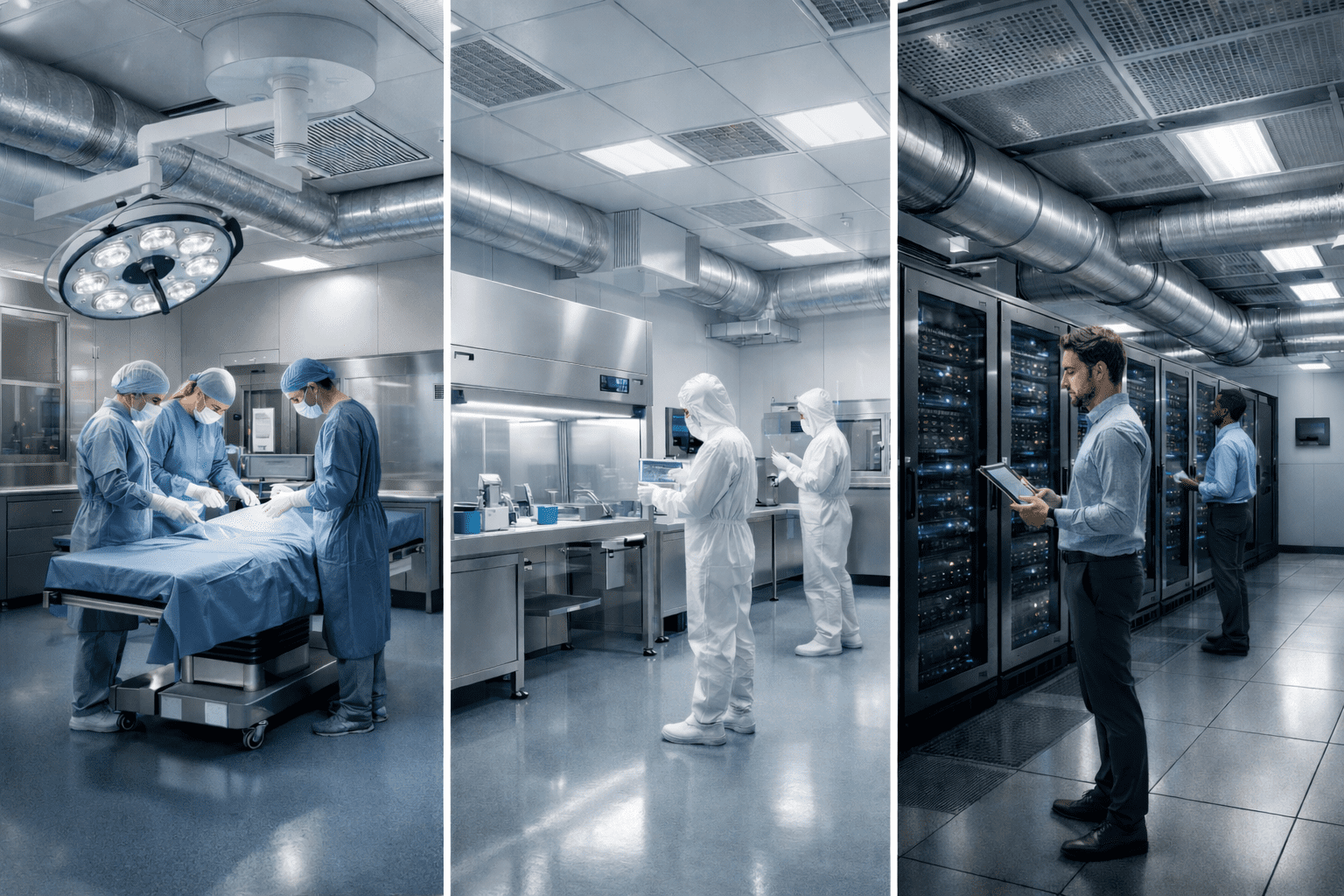
In today’s complex operational landscape, facilities by service need are no longer one-size-fits-all structures. Modern facilities are increasingly categorized based on the specific services they provide, the populations they serve, and the environmental controls they require. Among the most critical of these are HVAC-dependent environments—facilities where heating, ventilation, and air conditioning systems are not just comfort features, but mission-critical infrastructure.
From hospitals and laboratories to data centers and senior living communities, HVAC-dependent environments directly influence health outcomes, operational continuity, regulatory compliance, and long-term sustainability. Understanding how to design, operate, and maintain such facilities is essential for facility managers, engineers, and decision-makers seeking to optimize performance while meeting strict service demands.
Understanding Facilities by Service Need
The concept of facilities by service need refers to categorizing buildings based on the level and type of operational support required. Rather than focusing solely on industry type, this approach emphasizes functional demands, such as environmental control, safety standards, and user dependency.
Common examples include:
- Healthcare facilities (hospitals, clinics, dialysis centers)
- Life science and pharmaceutical labs
- Data centers and server farms
- Food processing and cold storage facilities
- Senior living and assisted care environments
- Clean rooms and manufacturing plants
In these settings, HVAC systems are fundamental to maintaining stable conditions that support human health, equipment reliability, and regulatory compliance.
What Are HVAC-Dependent Environments?
HVAC-dependent environments are facilities where continuous climate control is essential for operations to function safely and effectively. Any failure in temperature regulation, air quality, or humidity control can result in severe consequences—ranging from data loss and equipment damage to compromised patient safety or regulatory violations.
These environments typically require:
- Precise temperature control
- Controlled humidity levels
- Continuous air filtration
- Pressure differentials (positive or negative air pressure)
- Redundant systems for uninterrupted service
In such facilities, HVAC systems are considered critical infrastructure, similar to electrical systems or backup generators.
Key Industries That Rely on HVAC-Dependent Facilities
1. Healthcare and Medical Facilities
Hospitals and clinics depend heavily on HVAC systems to control infection, regulate temperature for patient comfort, and ensure sterile environments in operating rooms and isolation wards. In healthcare, HVAC performance directly impacts patient outcomes and staff safety.
Key requirements include:
- HEPA filtration for airborne pathogens
- Negative pressure rooms for infectious disease control
- Redundant HVAC systems for critical care units
- Compliance with health regulations and building codes
In healthcare, HVAC performance directly impacts patient outcomes and staff safety.
2. Laboratories and Research Centers
Scientific laboratories require tightly controlled environments to ensure experimental accuracy and equipment integrity.
Critical HVAC functions include:
- Temperature and humidity stabilization
- Ventilation for hazardous chemical handling
- Fume hood integration
- Clean room air standards
Any deviation in environmental conditions can invalidate research results or compromise safety.
3. Data Centers and IT Infrastructure
Data centers are among the most HVAC-dependent environments in the modern world. Servers generate significant heat, and even minor fluctuations can lead to hardware failure or system downtime.
Essential HVAC elements include:
- Precision cooling systems
- Hot aisle/cold aisle configurations
- Redundant air conditioning units
- Continuous monitoring and automation
Here, HVAC reliability is directly tied to business continuity and financial performance.
4. Senior Living and Assisted Care Facilities
In residential care environments, HVAC systems play a vital role in occupant health, especially for vulnerable populations such as seniors and individuals with chronic conditions.
Key considerations include:
- Indoor air quality (IAQ)
- Thermal comfort and humidity control
- Infection prevention
- Energy-efficient climate systems
For these facilities, HVAC is both a healthcare and quality-of-life issue.
5. Manufacturing and Clean Rooms
Manufacturing plants, particularly in electronics, pharmaceuticals, and food production, rely on HVAC systems to maintain product integrity and comply with quality standards.
Requirements often include:
- Dust and contaminant control
- Temperature consistency for production lines
- Humidity regulation
- Air pressure zoning
In these settings, HVAC impacts both product quality and operational efficiency.
Why HVAC Is Critical in Facilities by Service Need?
1. Health and Safety Compliance
Many HVAC-dependent environments are governed by strict regulatory frameworks. Healthcare, food production, and laboratory facilities must meet air quality, temperature, and ventilation standards to maintain certifications and avoid legal penalties.
2. Operational Continuity
System downtime in HVAC-dependent facilities can halt operations entirely. Redundant systems, preventive maintenance, and real-time monitoring are essential to ensure uninterrupted service.
3. Equipment and Asset Protection
Sensitive equipment such as servers, medical devices, and manufacturing tools require stable environmental conditions to function properly and achieve long service life.
4. Energy Efficiency and Cost Control
HVAC systems account for a significant portion of facility energy consumption. Optimized system design reduces operational costs while supporting sustainability goals.
Designing HVAC Systems for Service-Critical Facilities
Needs-Based System Design
Facilities by service need require HVAC designs tailored to functional requirements rather than generic building standards. This includes:
- Load calculations based on operational demand
- Zoning for different environmental needs
- System redundancy for critical areas
- Smart automation and building management systems (BMS)
Redundancy and Reliability
For HVAC-dependent environments, system failure is not an option. Redundancy strategies include:
- Backup chillers and air handlers
- Dual power sources
- Failover controls
- Emergency response protocols
These measures ensure continuity even during outages or maintenance.
Maintenance Strategies for HVAC-Dependent Environments
Preventive Maintenance
Routine inspections, filter replacements, and system calibration prevent failures before they occur. This approach reduces downtime and extends equipment lifespan.
Predictive Maintenance
Using sensors and analytics, predictive maintenance identifies performance trends and potential risks. This allows facility managers to address issues proactively.
Regulatory Audits and Documentation
Many service-critical facilities require regular compliance audits. HVAC systems must be documented, tested, and validated to meet operational standards.
Technology Trends in HVAC-Dependent Facilities
Smart HVAC Systems
Modern HVAC systems integrate with digital platforms to provide:
- Real-time monitoring
- Remote control
- Energy optimization
- Automated fault detection
This enhances efficiency and reduces operational risk.
Sustainability and Green Building
Energy-efficient HVAC design supports environmental goals while reducing long-term costs. Green certifications increasingly emphasize:
- High-efficiency equipment
- Low-emission refrigerants
- Heat recovery systems
- Smart energy management
Challenges in Managing HVAC-Dependent Environments
Despite technological advancements, managing HVAC in service-critical facilities presents ongoing challenges:
- High installation and maintenance costs
- Skilled workforce requirements
- Increasing regulatory complexity
- Aging infrastructure in legacy buildings
Addressing these challenges requires long-term planning, investment in technology, and continuous training.
Best Practices for Facility Managers
To effectively manage HVAC-dependent environments, facility managers should:
- Conduct regular system audits
- Invest in smart monitoring technologies
- Implement redundancy and failover systems
- Train staff on emergency response procedures
- Align HVAC strategies with service needs
These practices ensure both compliance and performance.
Conclusion: The Strategic Role of HVAC in Service-Based Facilities
In the framework of facilities by service need, HVAC-dependent environments represent the highest level of operational complexity. These facilities cannot function without precise climate control, reliable air quality, and continuous system availability.
As industries become more data-driven, health-focused, and regulation-intensive, the role of HVAC will continue to expand beyond comfort into the realm of critical infrastructure. Organizations that invest in advanced HVAC strategies will not only protect their assets and users but also gain a competitive advantage through improved efficiency, resilience, and sustainability.
Ultimately, mastering HVAC-dependent environments is no longer optional—it is a fundamental requirement for any facility operating in today’s service-driven economy.