
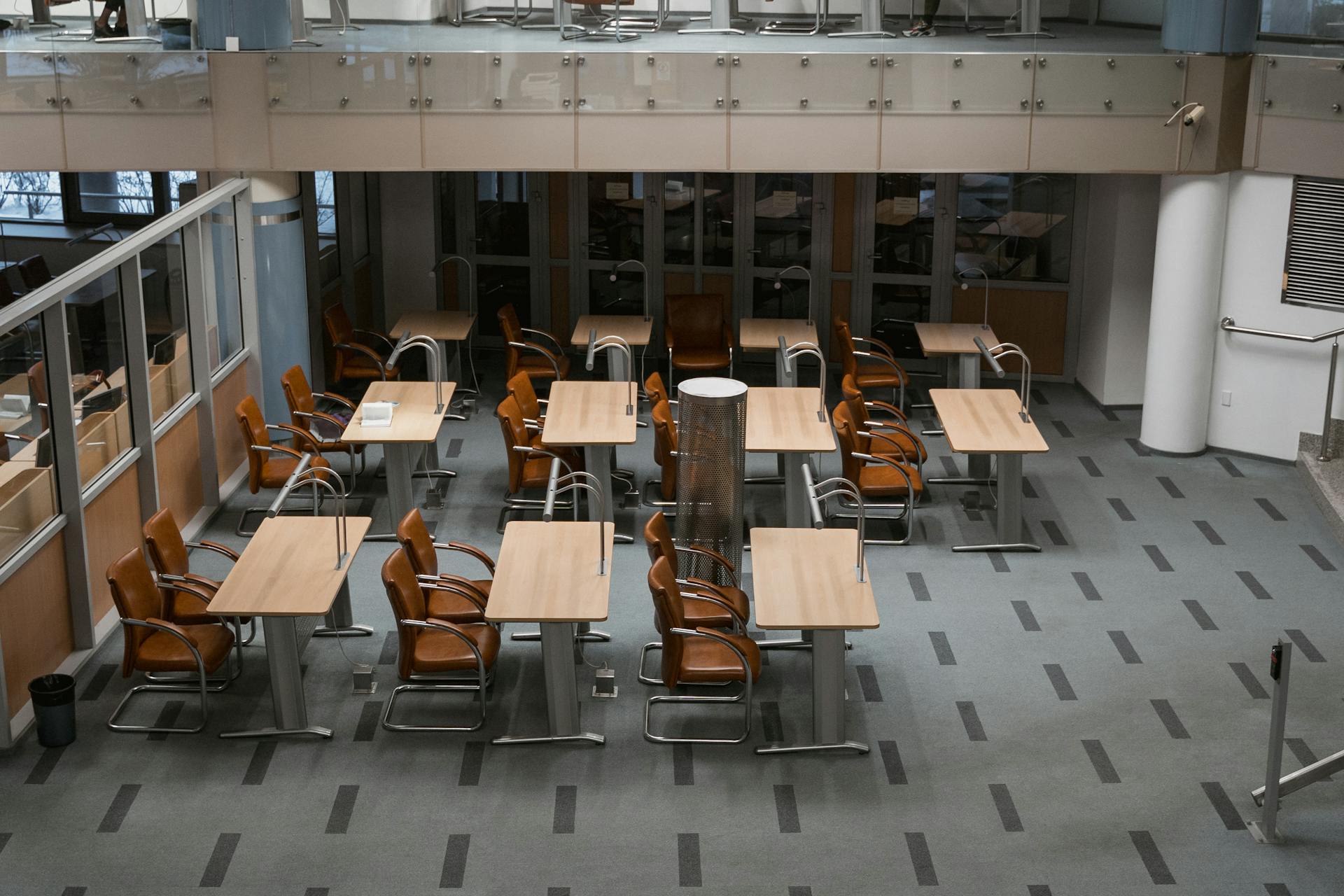
Facilities lifecycle concepts are critical for ensuring that commercial, industrial, and institutional facilities remain functional, safe, and cost-effective throughout their lifespan. Understanding these concepts allows facility managers, engineers, and organizational leaders to plan, operate, maintain, and eventually renew or replace assets efficiently. Applying facilities lifecycle concepts ensures operational continuity, reduces costs, and supports long-term strategic objectives.
Facilities are more than buildings—they are complex systems that require careful planning, execution, and management over time. By embracing lifecycle thinking, organizations can optimize resource utilization, extend asset life, and maintain compliance with regulatory requirements.
Understanding Facilities Lifecycle Concepts
The facilities lifecycle refers to the stages through which a building or infrastructure asset passes, from conception to disposal. Understanding facilities lifecycle concepts helps organizations plan investments, manage risks, and achieve operational excellence. The lifecycle typically includes the following phases:
- Planning and Programming – Defining goals, requirements, and constraints for new or renovated facilities.
- Design – Creating detailed architectural, structural, mechanical, electrical, and plumbing plans.
- Construction – Building the facility according to design specifications while managing costs and timelines.
- Operations and Maintenance – Day-to-day management of systems, preventive maintenance, and performance monitoring.
- Renewal or Decommissioning – Upgrading, retrofitting, or safely retiring facilities at the end of their useful life.
These stages provide a structured framework for managing facilities efficiently, ensuring sustainability, and supporting organizational objectives.
Planning and Programming
The first phase of the facilities lifecycle concepts is planning and programming. During this stage, organizations define:
- Space requirements and capacity needs
- Functional requirements for occupants and operations
- Budget constraints and funding strategies
- Sustainability and energy efficiency goals
- Risk assessments and regulatory compliance requirements
Effective planning ensures that facilities meet current and future needs while aligning with strategic business goals. A clear understanding of objectives during this stage reduces costly changes during design and construction.
Design Phase
The design phase translates planning requirements into actionable blueprints. This phase integrates architectural, structural, mechanical, electrical, and plumbing considerations. Key aspects include:
- Mechanical systems: HVAC, ventilation, and thermal comfort
- Electrical systems: Power distribution, lighting, and backup systems
- Plumbing systems: Water supply, wastewater management, and fire suppression
- Safety systems: Fire alarms, emergency exits, and life safety infrastructure
- Technology integration: Building automation and monitoring systems
Incorporating facilities lifecycle concepts during design ensures that systems are scalable, maintainable, and aligned with long-term operational objectives.
Construction Phase
Construction is the execution of design plans, where the facility begins to take physical form. Managing the construction phase involves:
- Coordinating contractors and subcontractors
- Ensuring quality control and compliance with design specifications
- Monitoring schedules and budgets
- Implementing safety protocols on-site
Applying facilities lifecycle concepts during construction reduces operational disruptions later and ensures that assets perform as intended once operational.
Operations and Maintenance
Once a facility is operational, facilities lifecycle concepts focus on optimizing day-to-day performance. Operations and maintenance include:
- Preventive maintenance: Scheduled inspections and servicing of equipment to prevent failures
- Corrective maintenance: Addressing system malfunctions or failures promptly
- Energy management: Monitoring consumption and implementing efficiency measures
- Safety and compliance: Ensuring adherence to regulatory standards for building systems
Effective management during this phase prolongs asset life, reduces operational costs, and enhances occupant safety and comfort.
Renewal, Retrofit, and Decommissioning
Over time, facilities require renewal or decommissioning as systems age or organizational needs change. Key actions include:
- Retrofitting and modernization: Upgrading mechanical, electrical, plumbing, and technology systems to current standards
- Energy efficiency improvements: Installing more efficient HVAC, lighting, or automation systems
- Decommissioning: Safely retiring buildings or systems at the end of their lifecycle, including proper disposal or recycling of materials
Integrating facilities lifecycle concepts into renewal strategies ensures sustainable operations and reduces environmental impact.
Importance of Facilities Lifecycle Concepts
Understanding facilities lifecycle concepts is essential for several reasons:
- Cost Management – Lifecycle planning allows organizations to anticipate expenditures for maintenance, upgrades, and replacements.
- Operational Efficiency – Properly managed facilities reduce downtime and support seamless operations.
- Sustainability – Lifecycle thinking encourages energy efficiency, waste reduction, and environmentally responsible practices.
- Risk Mitigation – Identifying risks early in the lifecycle reduces safety hazards and regulatory non-compliance.
- Strategic Planning – Facilities lifecycle concepts align asset management with organizational growth and strategic objectives.
Organizations that embrace lifecycle thinking achieve higher ROI on their facilities while maintaining optimal functionality.
Technology and Facilities Lifecycle Management
Modern facilities leverage technology to support facilities lifecycle concepts, including:
- Computerized Maintenance Management Systems (CMMS) – Track maintenance schedules, asset conditions, and work orders.
- Integrated Workplace Management Systems (IWMS) – Manage space planning, capital projects, and sustainability initiatives.
- Building Information Modeling (BIM) – Digitally represents facility systems for planning, maintenance, and renovation.
- IoT Sensors and Smart Devices – Monitor performance, detect anomalies, and enable predictive maintenance.
These tools enhance decision-making, improve efficiency, and reduce operational costs across the entire facility lifecycle.
Sustainability and Lifecycle Management
Sustainability is a key component of facilities lifecycle concepts. By integrating sustainable practices, organizations can:
- Reduce energy and water consumption
- Minimize waste and improve recycling efforts
- Extend the lifespan of building systems through preventive maintenance
- Adopt green building certifications and compliance with environmental standards
Sustainable lifecycle management not only protects the environment but also supports long-term operational savings and corporate responsibility goals.
Challenges in Facilities Lifecycle Management
Managing facilities through their entire lifecycle presents challenges, such as:
- Balancing upfront construction costs with long-term operational savings
- Coordinating multiple stakeholders across design, construction, and operations
- Updating aging systems while minimizing disruptions
- Ensuring compliance with evolving codes and regulations
Adopting facilities lifecycle concepts and leveraging technology can help mitigate these challenges effectively.
Conclusion
Facilities lifecycle concepts provide a structured framework for managing commercial, industrial, and institutional facilities from planning to decommissioning. By understanding and applying these concepts, organizations can optimize resource utilization, improve operational efficiency, ensure safety and compliance, and achieve sustainable, long-term outcomes.
Facility managers who embrace lifecycle thinking are better equipped to make informed decisions, plan preventive maintenance, implement energy-efficient solutions, and align facility operations with organizational goals. Mastering facilities lifecycle concepts is essential for anyone responsible for managing modern facilities effectively.