
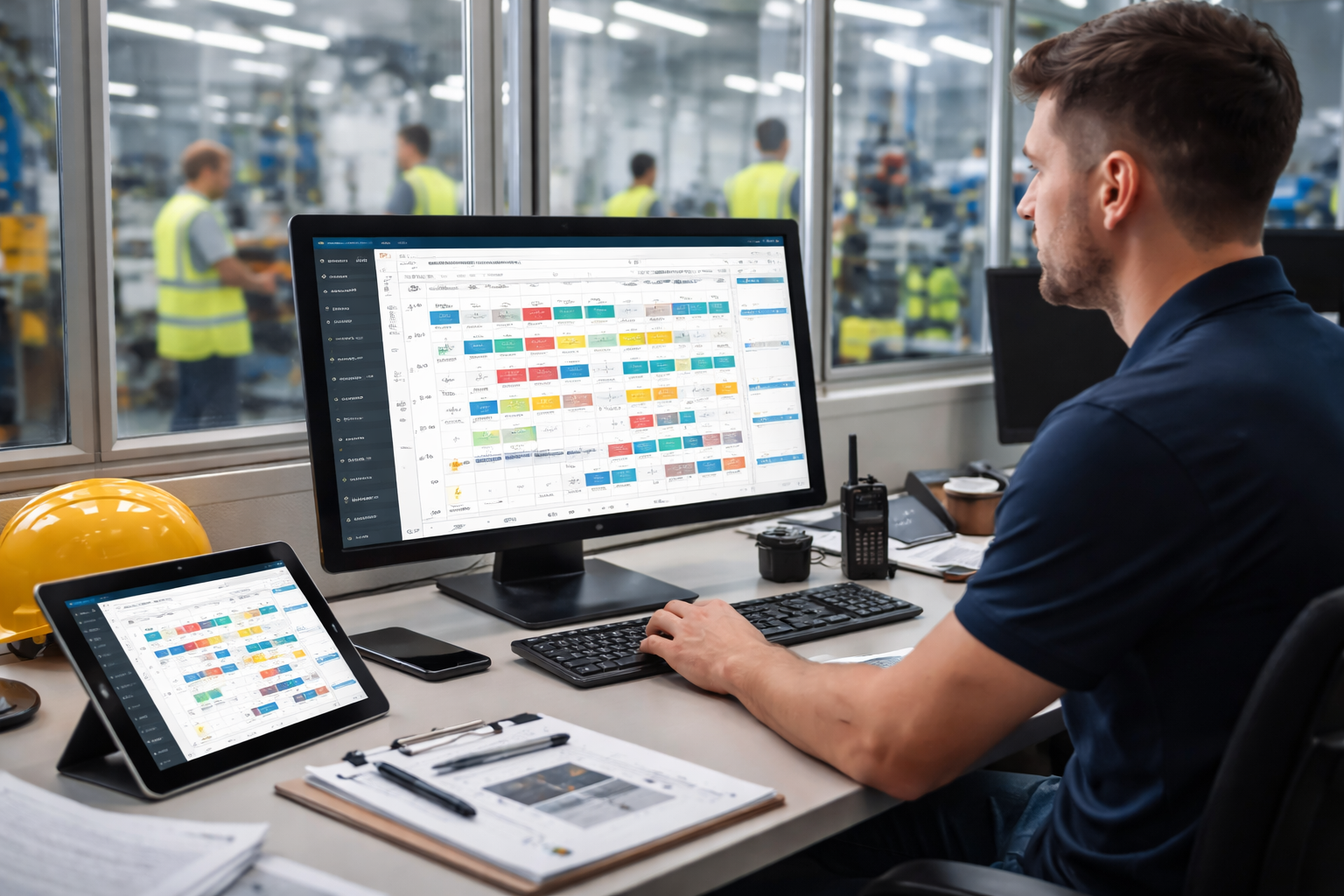
Organizations are increasingly adopting digital tools, as highlighted in this Workforce Management Software Guide, to streamline scheduling, improve efficiency, and support modern facilities operations.
A modern scheduling platform does more than assign shifts—it integrates automation, analytics, and real-time communication to support a scalable workforce strategy. As facilities grow more complex, adopting the right tools becomes essential for operational success.
What Is Facility Staff Scheduling Software?
Facility staff scheduling software is a digital solution designed to automate employee scheduling and workforce management. It enables managers to assign shifts, track attendance, and optimize staffing levels efficiently.
Unlike traditional spreadsheets, these tools offer:
- Automated scheduling
- Real-time updates
- Employee self-service access
- Integration with HR and payroll systems
- Data-driven reporting
By using these systems, organizations reduce manual errors and improve overall coordination.
Why Facility Staff Scheduling Software Matters
Implementing facility staff scheduling software is critical for improving efficiency and maintaining operational control.
Key Benefits
- Improved Efficiency
Automates repetitive scheduling tasks - Better Workforce Allocation
Matches the right staff with the right roles - Reduced Scheduling Conflicts
Minimizes overlaps and missed shifts - Enhanced Compliance
Supports labor laws and work-hour regulations - Real-Time Visibility
Provides instant access to schedules and workforce data
Key Features of Modern Scheduling Platforms
A high-performing facility staff scheduling software solution includes several essential features.
1. Automated Scheduling
Automation simplifies workforce planning.
Capabilities:
- Auto-assign shifts based on availability
- Generate recurring schedules
- Reduce manual workload
2. Real-Time Communication
Modern scheduling tools enable instant updates.
Features:
- Notifications for shift changes
- Mobile access for employees
- Team communication tools
3. Employee Self-Service
Empowering employees improves engagement.
Functions:
- Shift swapping
- Leave requests
- Availability updates
4. System Integration
A strong solution integrates with:
- HR platforms
- Payroll systems
- Time tracking tools
- Maintenance systems
5. Data and Analytics
Analytics drive better decision-making.
Track:
- Labor costs
- Overtime usage
- Attendance trends
- Productivity levels
Supporting 24/7 Operations
Facilities operating around the clock require advanced scheduling capabilities. Using facility staff scheduling software ensures consistent coverage and operational continuity.
Key Advantages
- Continuous staffing coverage
- Automated shift rotations
- Faster incident response
- Coordinated multi-shift operations
Building a Tech-Driven Scheduling Strategy
To maximize results, organizations should align their tools with a broader workforce strategy.
1. Define Workforce Needs
Evaluate requirements based on:
- Facility size
- Operational hours
- Service demands
2. Standardize Scheduling Processes
Consistency improves efficiency.
Best practices:
- Use schedule templates
- Define clear shift structures
- Apply standardized policies
3. Leverage Data Insights
Use analytics to:
- Optimize staffing levels
- Reduce overtime
- Improve resource allocation
4. Train Teams Effectively
Adoption is key to success.
Tips:
- Provide onboarding sessions
- Offer continuous training
- Encourage system usage
Scaling Across Multi-Site Operations
Organizations managing multiple locations benefit greatly from centralized systems.
Key Capabilities
- Unified scheduling dashboards
- Regional workforce oversight
- Standardized reporting
- Real-time visibility across sites
Using facility staff scheduling software in multi-site environments ensures consistency and control.
Common Challenges and Solutions
Even advanced systems come with challenges.
1. Resistance to Change
Solution:
Train employees and highlight efficiency benefits.
2. Data Accuracy Issues
Solution:
Maintain updated employee records.
3. Integration Complexity
Solution:
Choose platforms with flexible integration capabilities.
4. Over-Automation
Solution:
Balance automation with human oversight.
Best Practices for Workforce Scheduling
To get the most out of facility staff scheduling software, follow these proven practices:
1. Align Scheduling with Business Goals
Ensure workforce planning supports operational objectives.
2. Monitor Key Metrics
Track:
- Schedule adherence
- Labor efficiency
- Employee satisfaction
3. Maintain Flexibility
Allow adjustments based on real-time needs.
4. Continuously Improve
Regularly review and optimize scheduling strategies.
Future Trends in Scheduling Technology
The future of facility staff scheduling software is driven by innovation.
Emerging Trends
- AI-Powered Scheduling
Predict staffing needs automatically - Mobile-First Platforms
Enable access anywhere - Smart Building Integration
Align staffing with real-time facility data - Advanced Analytics
Deliver deeper operational insights
Choosing the Right Solution
Selecting the right platform is critical for long-term success.
Key Considerations
- Ease of use
- Scalability
- Integration capabilities
- Customization options
- Vendor support
Conclusion
A well-implemented facility staff scheduling software solution transforms workforce management into a strategic advantage. By combining automation, analytics, and employee-focused features, organizations can improve efficiency, reduce costs, and support scalable operations.
As facilities continue to evolve, investing in the right scheduling tools ensures better performance, stronger workforce coordination, and long-term operational success.