
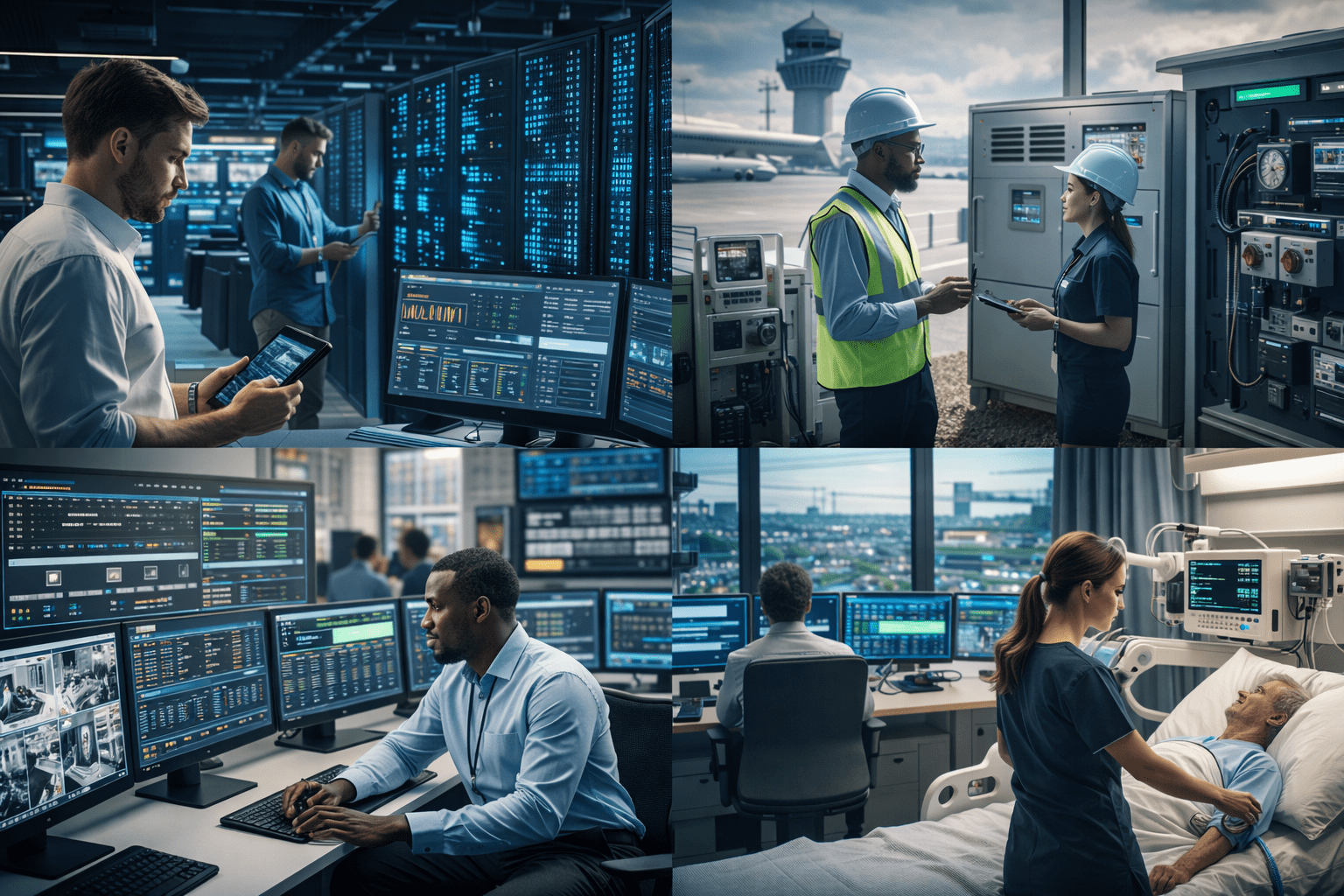
In an era where businesses operate around the clock and digital systems underpin nearly every service, facilities can no longer be classified solely by industry or physical structure. Instead, they are increasingly evaluated based on service need—the level of operational support required to deliver consistent, reliable, and uninterrupted services. One of the most critical categories within this framework is high-uptime facilities.
High-uptime facilities are environments where downtime is unacceptable. Even brief service interruptions can result in financial loss, reputational damage, safety risks, or regulatory violations. From data centers and hospitals to financial institutions and transportation networks, these facilities depend on resilient infrastructure, redundancy, and proactive management to maintain continuous operations.
Understanding Facilities by Service Need
The concept of facilities by service need focuses on functional dependency rather than physical design. This approach classifies buildings based on the systems required to sustain core operations, such as:
- Electrical and power systems
- HVAC and environmental controls
- Digital and data infrastructure
- Security and access control
- Water and plumbing systems
In this model, facilities are evaluated by how critical their services are and how much operational support is required to prevent failure. High-uptime facilities sit at the top of this hierarchy because they demand near-perfect reliability.
What Are High-Uptime Facilities?
High-uptime facilities are environments designed and operated to achieve maximum system availability, often targeting uptime levels of 99.9% (three nines) or higher. These facilities prioritize continuity, resilience, and rapid recovery from failures.
Key characteristics include:
- Continuous 24/7 operation
- Mission-critical services
- Zero or near-zero tolerance for downtime
- Redundant infrastructure systems
- Real-time monitoring and automation
In high-uptime facilities, reliability is not a performance metric—it is a core business requirement.
Key Industries That Depend on High-Uptime Facilities
Many high-uptime facilities follow global reliability standards like the Uptime Institute’s Tier certification to measure and validate uptime performance.
1. Data Centers and IT Infrastructure
Data centers are the most well-known examples of high-uptime facilities. They support cloud computing, financial transactions, healthcare systems, and global communications.
Critical uptime requirements include:
- Redundant power supplies
- Backup generators and UPS systems
- Precision cooling and HVAC
- Fire suppression systems
- Network redundancy
Even seconds of downtime can lead to massive data loss, service disruptions, and financial penalties.
2. Healthcare and Medical Facilities
Hospitals and medical centers rely on continuous operation to support life-saving services. High-uptime infrastructure ensures that critical systems remain operational at all times.
Key systems include:
- Life-support equipment
- Medical imaging devices
- Electronic health records (EHR)
- Surgical systems
- Emergency power supply
In healthcare, uptime is directly linked to patient safety and outcomes.
3. Financial and Banking Institutions
Banks, trading platforms, and payment processors operate in high-uptime environments where system failures can disrupt markets and erode customer trust.
Essential components include:
- Transaction processing systems
- Secure data storage
- Cybersecurity infrastructure
- Redundant communication networks
- Disaster recovery platforms
Financial institutions often invest heavily in high-availability systems to meet regulatory requirements and protect stakeholders.
4. Transportation and Logistics Networks
Airports, rail systems, and logistics hubs require continuous operations to manage complex, time-sensitive workflows.
High-uptime systems support:
- Traffic control and signaling
- Scheduling platforms
- Security systems
- Cargo tracking tools
- Communication networks
Downtime in these environments can affect entire supply chains and public safety.
Why High Uptime Is Critical in Service-Based Facilities?
1. Business Continuity
High-uptime facilities ensure that essential services remain available regardless of technical failures or external disruptions.
2. Risk Mitigation
Redundant systems and proactive monitoring reduce the likelihood of catastrophic failures.
3. Customer Trust and Reputation
Reliable services build confidence and loyalty, especially in sectors such as healthcare, finance, and digital services.
4. Regulatory Compliance
Many industries require documented uptime levels and disaster recovery plans to meet legal and industry standards.
Designing High-Uptime Facilities
Resilient Infrastructure Design
Facilities by service need require infrastructure designed for fault tolerance and rapid recovery.
This includes:
- Dual power feeds
- Redundant network paths
- Modular system architecture
- Segmented operational zones
- Backup control systems
Resilient design ensures that a single point of failure does not disrupt operations.
Redundancy and Failover Systems
Redundancy is the foundation of high uptime. Common strategies include:
- N+1 or 2N power configurations
- Backup generators and fuel storage
- Parallel data systems
- Automatic failover mechanisms
These systems allow facilities to continue operating even during equipment failure or maintenance.
Maintenance and Operational Strategies
Preventive Maintenance
Routine inspections and system testing prevent failures and extend infrastructure lifespan.
Predictive Maintenance
Sensors and analytics detect early signs of equipment degradation, allowing timely intervention.
Change Management
High-uptime facilities use strict protocols for system upgrades and configuration changes to avoid unintended disruptions.
Technology Trends in High-Uptime Facilities
Smart Monitoring Systems
AI-driven platforms provide real-time insights into system performance and predict potential risks.
Edge Computing and Automation
Distributed systems reduce dependency on centralized infrastructure, improving resilience and performance.
Digital Twins
Virtual models of facilities allow managers to simulate failures and test recovery strategies without real-world risk.
Challenges in Managing High-Uptime Facilities
Despite advanced technology, high-uptime environments face ongoing challenges:
- High capital and operating costs
- Complex system integration
- Skilled workforce requirements
- Cybersecurity threats
- Aging infrastructure
Addressing these challenges requires long-term investment, continuous training, and strategic planning.
Best Practices for Facility Managers
To maintain high uptime, facility managers should:
- Conduct regular system audits
- Implement layered redundancy
- Invest in real-time monitoring tools
- Establish disaster recovery plans
- Align infrastructure with service needs
These practices ensure reliability, resilience, and operational efficiency.
Measuring and Improving Uptime
Key Performance Indicators (KPIs)
High-uptime facilities track metrics such as:
- Mean time between failures (MTBF)
- Mean time to repair (MTTR)
- System availability percentage
- Incident response time
These indicators help managers identify weaknesses and optimize performance.
Conclusion: The Strategic Value of High-Uptime Facilities
In the framework of facilities by service need, high-uptime facilities represent the most critical and demanding environments. They support essential services where reliability is non-negotiable and downtime is not tolerated.
As digital transformation accelerates and organizations become more interconnected, the importance of uptime will continue to grow. High-uptime facilities are no longer limited to data centers—they now define success in healthcare, finance, transportation, and beyond.
Ultimately, investing in high-uptime infrastructure is not just about technology. It is a strategic commitment to resilience, trust, and long-term operational excellence in a service-driven world.