
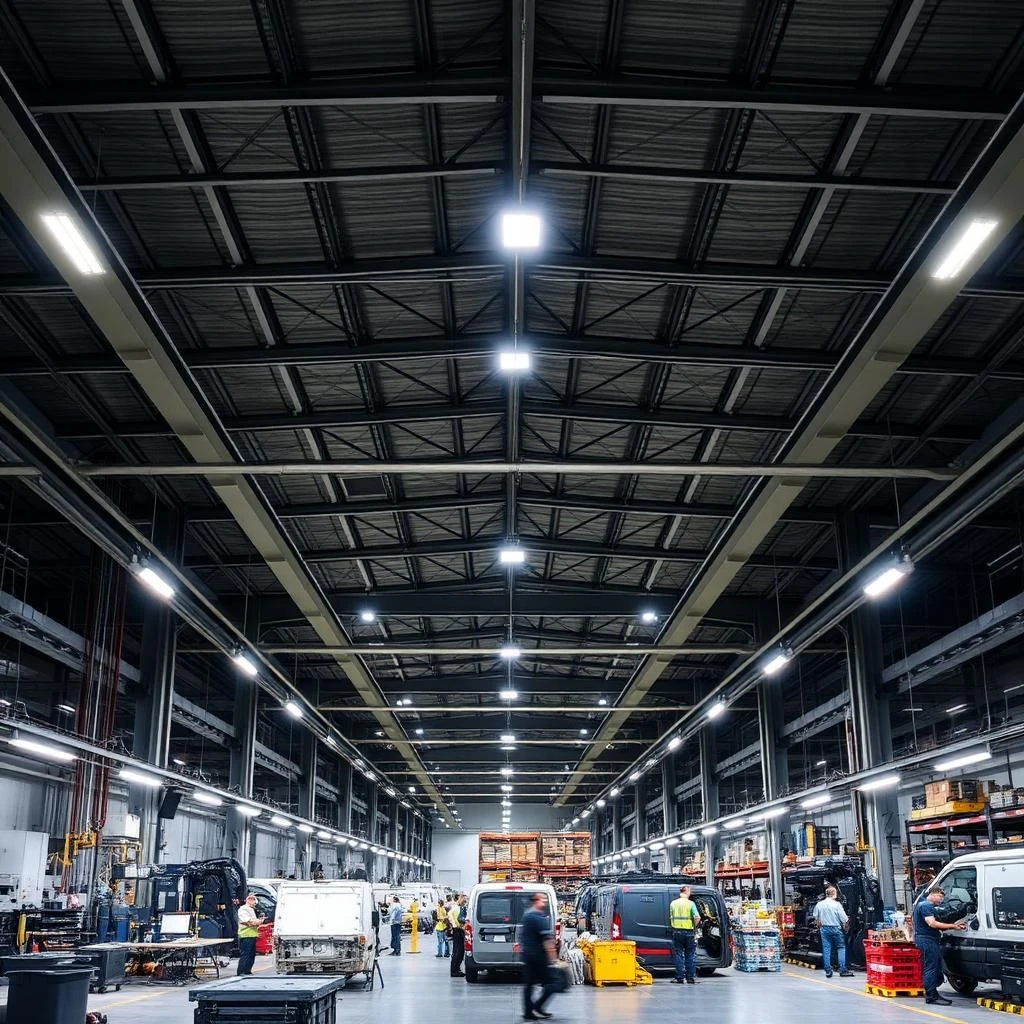
Effective lighting placement and coverage are fundamental to creating safe, productive, and visually comfortable operational spaces. From industrial facilities and warehouses to commercial workplaces and construction sites, lighting placement and coverage directly impact visibility, worker efficiency, safety, and compliance with regulatory standards. Understanding how to strategically position light sources and optimize coverage ensures that operational spaces are fully illuminated without wasted energy or glare.
This article explores the core principles of lighting placement and coverage, types of lighting systems, design strategies, and best practices for operational spaces.
Why Lighting Placement and Coverage Matters
Lighting is not just about brightness—it’s about strategic positioning and uniform distribution. Poor lighting placement can result in dark spots, shadows, and uneven illumination, which lead to safety hazards, visual discomfort, and reduced productivity. Key reasons why proper lighting placement and coverage are essential include:
- Enhanced Safety: Correct placement reduces accidents caused by poor visibility.
- Improved Productivity: Uniform lighting supports accurate task performance.
- Regulatory Compliance: Meeting OSHA, ANSI, and ISO standards requires proper coverage.
- Energy Efficiency: Optimized placement reduces the number of fixtures and energy use.
- Visual Comfort: Minimizes glare, shadows, and eye strain.
Core Principles of Lighting Placement and Coverage
1. Strategic Positioning for Task Requirements
Different operational tasks require different illumination strategies. Understanding the nature of work in each area helps determine the optimal placement of fixtures:
- High-precision tasks: Tasks such as assembly, inspection, and quality control need high illumination with focused placement. Fixtures should be positioned directly above or near the workstations.
- General operational areas: Corridors, storage zones, and break areas benefit from evenly distributed overhead lighting to prevent shadowed areas.
- Hazard zones: Machinery, chemicals, or moving equipment zones require targeted illumination to highlight hazards and ensure worker safety.
Proper task-specific placement reduces eye strain and enhances the accuracy and speed of operations.
2. Uniformity and Even Coverage
Uniformity is a critical factor in lighting placement. Uneven lighting causes eye fatigue and reduces visibility in operational spaces. To ensure even coverage:
- Use overlapping light distribution to minimize dark spots.
- Position fixtures according to the ceiling height and room dimensions.
- Combine general ambient lighting with task and accent lighting where necessary.
Maintaining uniform illumination across work areas enhances both safety and productivity.
3. Managing Glare and Reflections
Glare occurs when light intensity is too high or improperly directed, while reflections are caused by shiny surfaces in the workspace. Both can impair vision and reduce comfort. Key strategies include:
- Using diffusers or indirect lighting to soften light output.
- Positioning fixtures to avoid reflective surfaces or highly polished machinery.
- Employing anti-glare shields for task lighting areas.
Proper glare control improves visibility and reduces fatigue, especially in areas requiring precision.
4. Coverage Area and Fixture Spacing
The coverage area of each fixture depends on its lumen output, beam angle, and mounting height. Understanding fixture spacing and coverage ensures adequate light without over-illumination:
- High-bay spaces: In warehouses and industrial plants, high-output fixtures with wide coverage prevent dark zones across large areas.
- Low-bay or offices: Lower ceiling spaces benefit from closer fixture spacing and lower output to maintain uniformity.
- Outdoor areas: Coverage should consider safety and security, illuminating pathways, parking areas, and perimeters.
Proper spacing avoids overuse of fixtures, saving energy while maintaining optimal visibility.
5. Color Temperature and Visual Clarity
Color temperature affects how light is perceived and can influence both productivity and alertness. When planning placement and coverage:
- Cool white light (~5000K): Enhances alertness and detail recognition, ideal for industrial or high-precision areas.
- Warm light (~3000K): Provides comfort and relaxation, suitable for break rooms or offices.
- Mixed zones: Areas with multiple functions may benefit from adjustable or tunable lighting solutions.
Selecting the appropriate color temperature ensures that the coverage area is visually comfortable and functional.
Types of Lighting Systems for Optimal Placement
Different lighting systems offer unique advantages for coverage and placement in operational spaces:
1. Ambient Lighting
Provides general illumination for large areas. Proper fixture placement ensures that ambient light fills the room without creating shadows or dark corners.
2. Task Lighting
Focused lighting for specific workstations or tasks. Adjustable task lights allow precise positioning to maximize coverage where it is needed most.
3. Accent and Safety Lighting
Highlights hazards, emergency exits, or critical equipment. Placement should ensure visibility from all angles and sufficient coverage during normal and emergency operations.
4. High-Bay and Low-Bay Lighting
- High-bay: Suitable for facilities with ceilings above 20 feet. Proper placement ensures wide coverage with minimal dark zones.
- Low-bay: Best for low ceiling areas, where fixtures are placed closer together to achieve even illumination.
5. Exterior and Site Lighting
Covers outdoor operational areas such as loading docks, parking lots, and perimeter zones. Strategic placement prevents blind spots and ensures safety and security.
Design Strategies for Effective Lighting Placement
1. Conduct a Lighting Audit
A lighting audit evaluates current placement, coverage, and illumination levels. Identify:
- Areas with insufficient light.
- Shadowed zones or areas of high glare.
- Energy inefficiencies caused by fixture overuse.
2. Use Layered Lighting
Combine ambient, task, and accent lighting to optimize coverage and reduce shadows. Layering allows flexibility and enhances safety.
3. Consider Mounting Heights and Angles
Fixture height and beam angles influence the coverage area:
- Higher ceilings require fixtures with wider beam angles and higher lumen output.
- Lower ceilings benefit from narrower beam angles and shorter spacing.
- Adjustable fixtures allow re-positioning as operational needs change.
4. Optimize Fixture Spacing
Calculate spacing between fixtures based on lumen output, beam angle, and area dimensions. Correct spacing prevents dark spots while minimizing energy waste.
5. Integrate Smart Controls
Motion sensors, timers, and IoT-enabled systems enhance both coverage and efficiency. Smart lighting can automatically adjust intensity and coverage based on occupancy or task requirements.
Safety and Compliance Considerations
Operational spaces must adhere to regulatory standards such as OSHA, ANSI, and ISO. Correct lighting placement and coverage contribute to compliance:
- Ensure emergency lighting reaches all egress paths.
- Illuminate hazard zones, stairways, and high-traffic areas.
- Verify that fixture placement meets recommended illumination levels for specific tasks.
“For detailed guidance on workplace lighting placement and coverage, refer to OSHA and ANSI lighting standards.” (OSHA Standard 1926.56)
Maintenance and Longevity
Properly placed lighting systems require regular maintenance:
- Clean fixtures and reflective surfaces to maintain coverage.
- Replace aging bulbs and LED units on schedule.
- Inspect coverage periodically to ensure uniform illumination.
Neglecting maintenance can create dark spots and reduce both safety and productivity.
Conclusion
Strategic lighting placement and coverage is essential for operational efficiency, safety, and worker comfort. By considering task requirements, uniformity, glare control, fixture spacing, and color temperature, organizations can ensure optimal visibility across all work areas. Combining modern lighting systems, layered lighting strategies, and regular maintenance enhances operational spaces, reduces accidents, and supports energy efficiency.
Well-planned lighting placement and coverage not only create a safer environment but also improve employee productivity and compliance with safety regulations. Operational spaces designed with these principles in mind remain functional, efficient, and safe.