
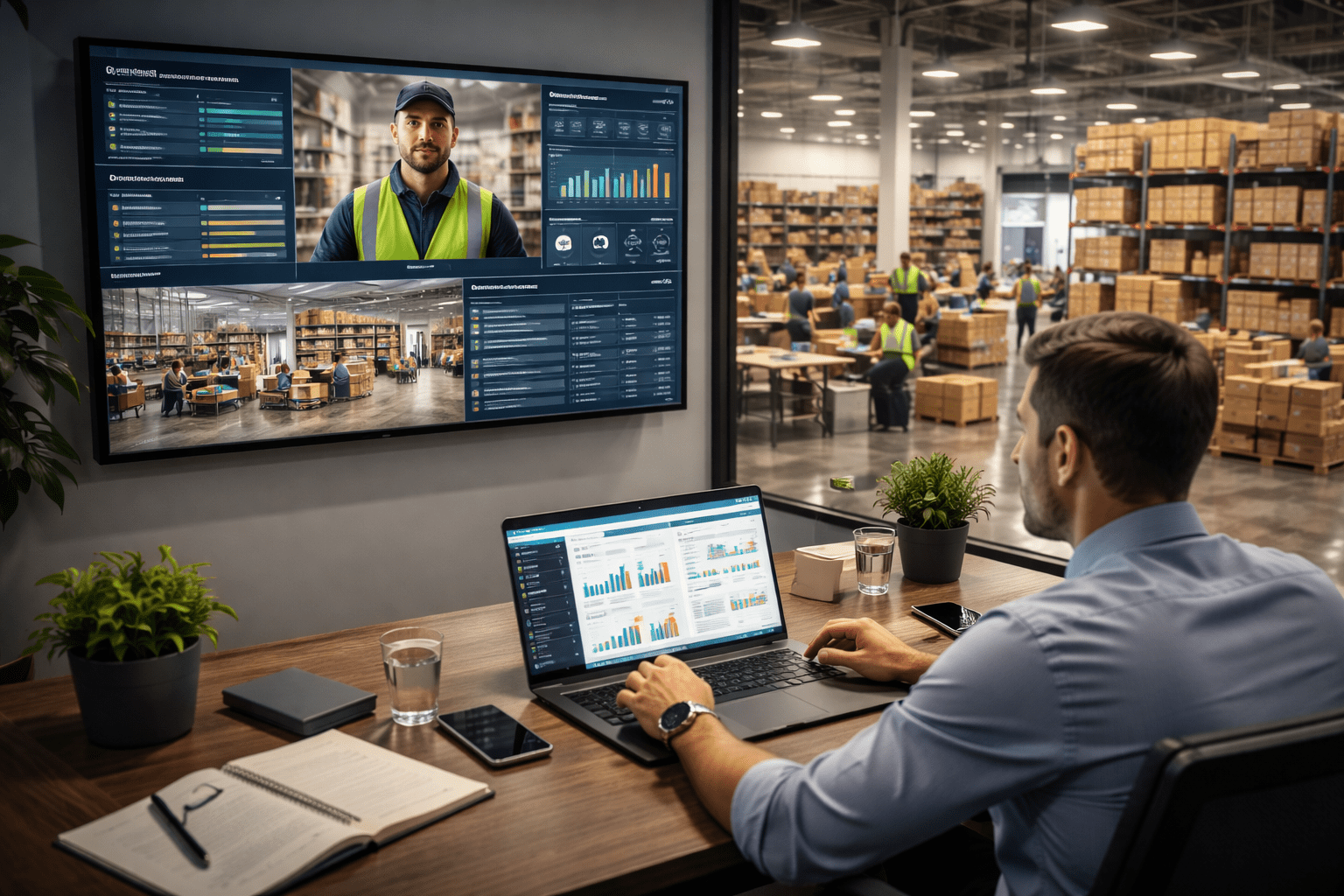
As ecommerce and product-based businesses grow, logistics quickly becomes more complex. Warehousing, packing, shipping, returns, and inventory control can overwhelm internal teams. This is where managing third-party logistics becomes a strategic advantage rather than just an operational decision.
Scaling physical commerce operations requires strong systems, cost control, and consistent customer experience. Partnering with a third-party logistics provider (3PL) can unlock growth — but only if managed properly.
This beginner-friendly guide explains how to approach third-party logistics with clarity, structure, and long-term strategy.
What Is Third-Party Logistics?
Third-party logistics (3PL) refers to outsourcing fulfillment operations to an external provider. For a deeper understanding of how third-party logistics works, reviewing a comprehensive 3PL overview can help clarify the differences between in-house fulfillment and outsourced warehouse management. A 3PL typically handles:
- Inventory storage
- Order picking and packing
- Shipping and carrier coordination
- Returns processing
- Sometimes freight and distribution
Instead of leasing and managing your own warehouse, you rely on logistics specialists who already have infrastructure in place.
For many growing brands, managing third-party logistics effectively becomes central to scaling physical commerce operations.
Why Businesses Choose a 3PL?
There are several reasons companies move toward outsourced fulfillment:
1. Rapid Growth
When order volume increases quickly, internal teams may struggle to keep up. A 3PL offers immediate operational capacity.
2. Geographic Expansion
Serving customers nationwide or internationally may require multiple warehouse locations. A 3PL often has a distributed network ready to use.
3. Cost Control
Leasing space, hiring staff, and buying equipment requires capital. Outsourcing converts fixed costs into variable costs.
4. Operational Focus
Business owners can focus on marketing, product development, and brand growth instead of managing daily warehouse operations.
When Should You Consider Outsourcing?
Managing third-party logistics becomes relevant when:
- You ship consistently high order volumes
- Storage space is becoming limited
- Shipping errors are increasing
- Delivery speed is affecting customer satisfaction
- You want to expand into new markets
- Operational stress is distracting leadership
Before outsourcing, assess whether logistics has become a bottleneck.
The Core Responsibilities of Managing Third-Party Logistics
Outsourcing does not eliminate responsibility. It shifts the role from operator to manager.
Key responsibilities include:
- Selecting the right provider
- Defining service expectations
- Monitoring performance metrics
- Managing inventory forecasting
- Ensuring brand standards are maintained
- Reviewing costs regularly
A successful partnership depends on active oversight.
How to Choose the Right 3PL Provider?
Selecting the right partner is critical when scaling physical commerce operations.
Evaluate providers based on:
Experience and Industry Fit
Choose a 3PL familiar with your product category. Fragile goods, apparel, supplements, and electronics all require different handling.
Technology Integration
Ensure they offer:
- Real-time inventory visibility
- API integrations with your ecommerce platform
- Automated order tracking
- Reporting dashboards
Without technology alignment, operations become fragmented.
Location Network
Consider where their warehouses are located and how that affects shipping zones and delivery speed.
Pricing Transparency
Understand:
- Storage fees
- Pick and pack fees
- Receiving charges
- Returns processing fees
- Account management costs
Clear pricing prevents surprises.
Service Level Agreements (SLAs)
When managing third-party logistics, written expectations are essential.
Define SLAs covering:
- Order processing time
- Inventory accuracy
- Picking accuracy rate
- Shipping timeframes
- Returns handling speed
- Communication response time
These benchmarks ensure accountability and protect service quality.
Inventory Forecasting and Planning
Even with outsourced fulfillment, inventory forecasting remains your responsibility.
You must:
- Monitor sales trends
- Predict seasonal demand
- Avoid stockouts
- Prevent overstocking
A 3PL executes storage and shipping — but you control supply strategy.
Accurate forecasting supports smooth scaling of physical commerce operations.
Maintaining Brand Experience
One common concern with outsourcing is losing control over customer experience.
To maintain brand standards:
- Provide branded packaging guidelines
- Specify packing instructions
- Include inserts or promotional materials
- Define quality control checks
Regular audits and sample shipments can help ensure standards are met.
Managing third-party logistics effectively means protecting your brand identity.
Monitoring Performance Metrics
Track key performance indicators (KPIs) consistently.
Important metrics include:
- Order accuracy rate
- On-time shipping percentage
- Inventory discrepancy rate
- Return processing time
- Average fulfillment cost per order
Review reports monthly and address issues immediately.
Data-driven oversight ensures operational reliability.
Communication and Relationship Management
Strong communication prevents misunderstandings.
Establish:
- A dedicated account manager
- Regular performance reviews
- Escalation procedures
- Clear reporting schedules
Think of your 3PL as a strategic partner, not just a vendor.
Proactive communication strengthens long-term collaboration.
Cost Management and Optimization
While outsourcing can reduce overhead, costs must be monitored carefully.
Review:
- Storage utilization
- Shipping carrier rates
- Packaging efficiency
- Order batching opportunities
- Seasonal cost fluctuations
Periodic cost audits ensure profitability remains strong.
Scaling physical commerce operations requires financial discipline at every stage.
Risk Management and Contingency Planning
Logistics disruptions can happen due to:
- Weather events
- Labor shortages
- Supply chain delays
- Carrier issues
Discuss contingency plans with your 3PL:
- Backup warehouse options
- Alternate carrier arrangements
- Inventory redistribution strategies
Preparedness reduces business risk.
Common Mistakes to Avoid
Many businesses struggle with outsourcing because of avoidable errors.
Avoid:
- Choosing solely based on lowest price
- Failing to define clear expectations
- Neglecting performance monitoring
- Overlooking hidden fees
- Ignoring technology compatibility
- Scaling too quickly without testing
Careful planning prevents operational setbacks.
Transitioning Smoothly to a 3PL
When moving from in-house fulfillment to outsourced operations:
- Audit current inventory
- Clean and standardize SKUs
- Document existing processes
- Plan inventory transfer carefully
- Test system integrations
- Run a pilot phase before full rollout
A structured transition minimizes disruption.
In-House vs Third-Party: Long-Term Strategy
Not every business will outsource permanently. Some hybrid models exist:
- In-house for core products
- 3PL for overflow or seasonal demand
- Regional outsourcing for expansion markets
Evaluate your growth plans regularly to determine the best logistics model.
Managing third-party logistics is not a one-time decision — it is an evolving strategy.
The Strategic Advantage of Effective 3PL Management
When executed well, outsourcing fulfillment can provide:
- Faster shipping
- Lower operational burden
- Geographic reach
- Scalability without heavy capital investment
- Improved customer satisfaction
However, success depends on structured management, not passive delegation.
Final Thoughts
Scaling physical commerce operations requires smart logistical decisions. Managing third-party logistics is a powerful strategy when internal capacity limits growth.
To succeed, focus on:
- Choosing the right partner
- Setting clear service standards
- Monitoring performance regularly
- Protecting brand experience
- Maintaining strong communication
- Reviewing costs consistently
Outsourcing fulfillment does not remove responsibility. It transforms your role from warehouse operator to logistics strategist.
When managed effectively, third-party logistics becomes a foundation for sustainable, scalable growth — allowing your business to expand confidently while maintaining operational excellence.