
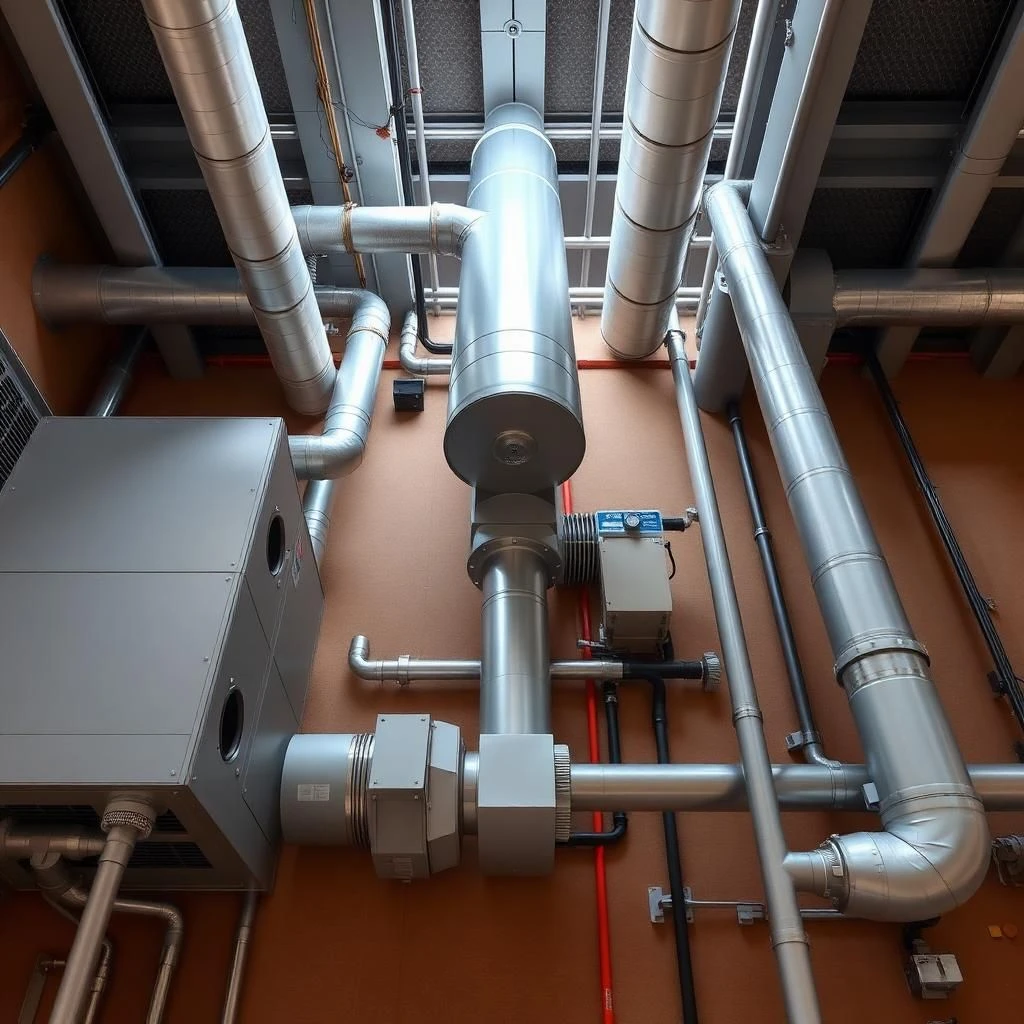
Mechanical systems in buildings are the backbone of modern structures, providing comfort, safety, and energy efficiency for occupants. For mechanical building engineers, understanding these systems is essential for designing, maintaining, and optimizing building performance. This article provides a detailed overview of mechanical systems in buildings, including HVAC, plumbing, ventilation, and fire protection systems, with a focus on sustainable and efficient design.
Overview of Mechanical Systems in Buildings
Mechanical systems in buildings, also known as building services engineering, include all equipment and networks that maintain indoor environmental quality. These systems are critical for occupant comfort, health, and operational efficiency. Key mechanical systems include:
- Heating systems (boilers, furnaces, heat pumps)
- Cooling systems (air conditioning, chillers, cooling towers)
- Ventilation systems (air handling units, ductwork, fans)
- Plumbing systems (water supply, drainage, piping)
- Fire protection systems (sprinklers, pumps, alarms)
Proper design and integration of these systems ensure that buildings operate efficiently while complying with safety and environmental standards.
Key Components of Mechanical Systems in Buildings
Mechanical systems in buildings consist of several interrelated components, each performing a specific function to ensure comfort, safety, and energy efficiency. Understanding these is critical for mechanical building engineers.
Heating Systems
Heating systems maintain indoor temperatures in cold climates. Common heating solutions include:
- Boilers: Provide hot water or steam for radiators or underfloor heating.
- Furnaces: Heat air and distribute it through ductwork.
- Heat Pumps: Transfer heat efficiently and provide both heating and cooling.
Proper design ensures energy-efficient heating while maintaining occupant comfort.
Cooling Systems
Cooling systems regulate indoor temperatures and humidity. Components include:
- Air Conditioning Units: Provide room-specific cooling.
- Chillers: Centralized systems supplying chilled water across multiple zones.
- Cooling Towers: Remove heat from water-cooled systems in commercial buildings.
Mechanical engineers calculate cooling loads carefully to ensure efficiency and comfort.
Ventilation Systems
Ventilation systems ensure proper air circulation and indoor air quality. Main components include:
- Air Handling Units (AHUs): Condition and distribute air.
- Ductwork: Channels for delivering and returning air.
- Exhaust Fans: Remove stale air and pollutants.
Effective ventilation improves occupant health, reduces energy costs, and complies with ASHRAE standards.
Plumbing and Water Systems
Plumbing systems deliver water, remove waste, and maintain sanitation. Components include:
- Pipes and Pumps: Transport water efficiently.
- Water Heaters: Supply hot water for domestic or commercial use.
- Drainage Systems: Safely remove wastewater.
Mechanical building engineers ensure these systems are reliable, safe, and easy to maintain.
Fire Protection Systems
Mechanical systems contribute to life safety through fire protection. Key components include:
- Sprinkler Systems: Automatically suppress fires using water or extinguishing agents.
- Fire Pumps: Maintain pressure in suppression systems.
- Smoke Control Systems: Facilitate safe evacuation and reduce damage.
Compliance with NFPA codes is essential, and engineers must integrate these systems seamlessly.
The Role of Mechanical Building Engineers
Mechanical building engineers design, install, and maintain mechanical systems to ensure efficiency, safety, and sustainability. Their responsibilities include:
- Designing energy-efficient HVAC systems
- Ensuring compliance with local codes and safety regulations
- Implementing preventive maintenance programs
- Integrating sustainable solutions such as renewable energy
Collaboration with architects, electrical engineers, and construction teams ensures that mechanical systems enhance building performance and occupant comfort.
Design Considerations for Mechanical Systems in Buildings
Designing mechanical systems involves careful planning:
Load Calculations
Heating, cooling, and ventilation loads are calculated based on building size, occupancy, climate, and usage. Accurate calculations prevent oversizing or undersizing systems, improving efficiency and comfort.
Energy Efficiency
Sustainable design is key. Engineers use high-efficiency boilers, chillers, variable-speed drives, and smart controls to reduce energy use and operational costs.
Space Planning
Equipment rooms, ductwork, and piping must be allocated efficiently to avoid interference with architectural features and allow maintenance access.
Compliance with Codes and Standards
Mechanical systems must meet:
- ASHRAE standards for HVAC
- NFPA codes for fire protection
- Plumbing codes for water systems
Compliance ensures safety, reliability, and regulatory adherence.
Integration with Smart Building Technology
Modern buildings integrate mechanical systems with smart building technologies. Automated controls enable real-time monitoring, predictive maintenance, and energy optimization.
Maintenance and Lifecycle Management
Mechanical systems require regular maintenance for reliability and efficiency:
- Inspecting and cleaning HVAC filters and coils
- Checking ductwork and piping for leaks
- Calibrating sensors and controls
- Servicing fire protection equipment
Preventive maintenance extends equipment life, reduces costs, and ensures safety.
Emerging Trends in Mechanical Systems in Buildings
Mechanical engineering in buildings is evolving. Key trends include:
- Sustainable HVAC solutions like geothermal and solar thermal systems
- Smart controls for energy optimization
- Integrated design with electrical and architectural systems
- Resilient systems for extreme weather and energy disruptions
Mechanical engineers play a crucial role in implementing these trends to meet modern building performance and sustainability goals.
Conclusion
Mechanical systems in buildings are critical for comfort, safety, and efficiency. From HVAC and plumbing to ventilation and fire protection, these systems require careful design, integration, and maintenance. Mechanical building engineers ensure that buildings operate reliably, comply with regulations, and optimize energy use.
With advances in sustainable building design and smart technologies, mechanical engineers are essential for creating efficient, resilient, and safe buildings. Mastery of mechanical systems in buildings ensures long-term performance and occupant satisfaction.