
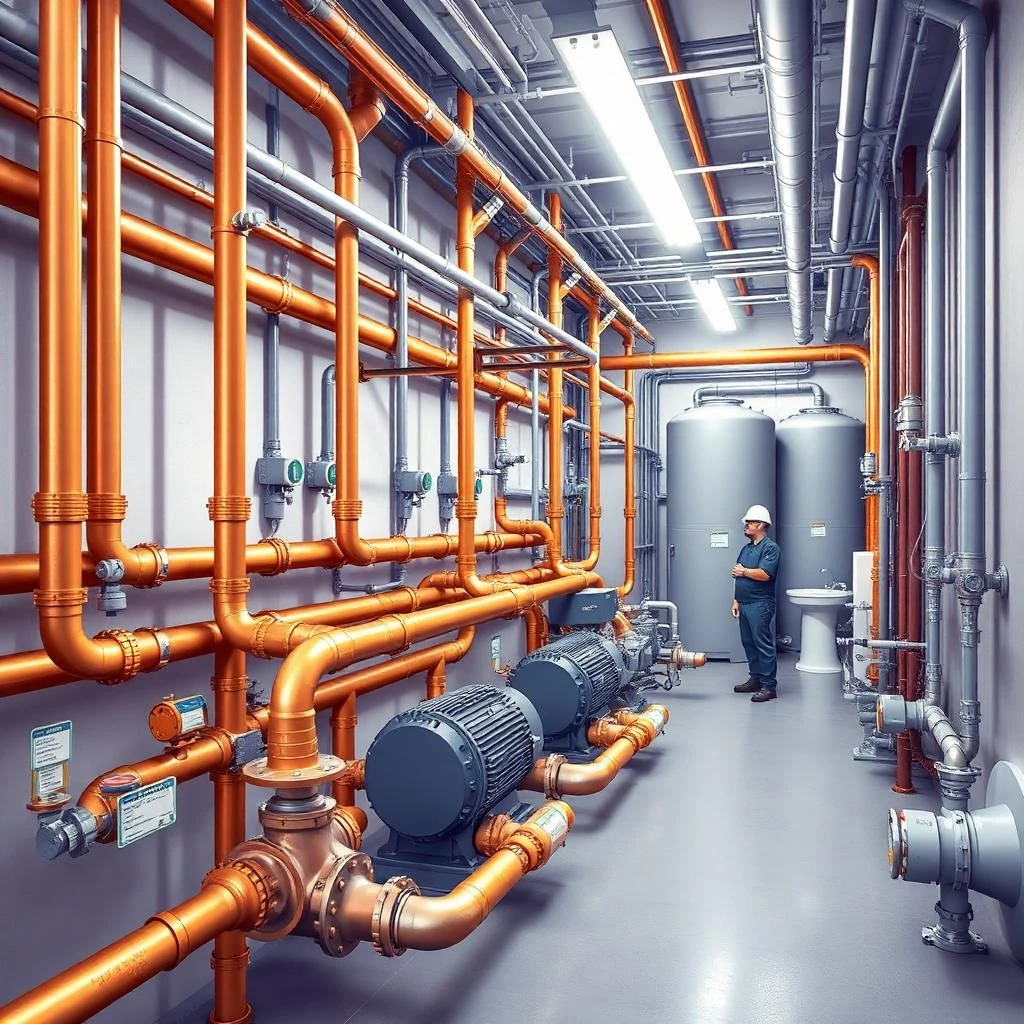
Plumbing and water systems are vital components of modern buildings, ensuring clean water delivery, proper waste removal, and safe, reliable water management. A building’s plumbing infrastructure affects health, safety, and operational efficiency, making it a critical area for building systems engineers. From potable water supply to drainage, stormwater management, and sustainable water practices, understanding is essential for designing, maintaining, and optimizing building performance.
This article provides a professional overview of plumbing and water systems in buildings, covering key components, design principles, safety considerations, maintenance, and emerging trends.
Understanding Plumbing and Water Systems in Buildings
Plumbing and water systems refer to the network of pipes, fixtures, pumps, and controls that manage water flow within a building. These systems are essential for:
- Delivering potable water for drinking, cooking, and sanitation
- Removing wastewater safely and efficiently
- Managing stormwater and building drainage
- Supporting heating, cooling, and fire protection systems
A well-designed plumbing system improves water efficiency, occupant comfort, and building sustainability. Building systems engineers must integrate these systems with mechanical, electrical, and architectural components to ensure seamless functionality.
Key elements include:
- Water supply systems – pumps, tanks, valves, and piping networks
- Wastewater systems – sanitary drains, sewer connections, and vents
- Stormwater management – gutters, downspouts, and rainwater harvesting
- Plumbing fixtures and appliances – toilets, sinks, showers, and faucets
- Safety and control devices – backflow preventers, pressure regulators, and filtration
Key Components of Plumbing and Water Systems
Understanding the components of plumbing and water systems is essential for any building systems engineer. These systems must meet functional, health, and regulatory requirements.
Water Supply Systems
The water supply system is the foundation of plumbing and water systems. Key components include:
- Pumps: Maintain adequate water pressure throughout the building.
- Storage tanks: Store potable water and provide a buffer during peak demand.
- Piping networks: Distribute water to fixtures and mechanical systems.
- Valves and controls: Regulate flow, isolate sections for maintenance, and prevent contamination.
A properly designed water supply system ensures consistent pressure, quality, and reliability, aligning with plumbing system standards.
Wastewater and Sanitary Systems
Wastewater systems safely remove water from sinks, toilets, showers, and appliances. Components include:
- Sanitary drains and sewer lines: Carry wastewater to municipal systems or septic tanks.
- Vent systems: Prevent sewer gases from entering the building and maintain smooth flow.
- P-traps and backflow preventers: Ensure hygiene and prevent contamination.
Building systems engineers must design drainage systems to prevent clogs, reduce odors, and comply with local plumbing codes.
Stormwater and Rainwater Management
Stormwater systems protect buildings from water damage and environmental impact. Key elements include:
- Gutters and downspouts: Collect and channel rainwater away from roofs and foundations.
- Storm drains: Direct water to municipal systems or onsite retention facilities.
- Rainwater harvesting systems: Capture water for irrigation, cooling, or non-potable use.
Efficient stormwater management is an essential aspect of sustainable plumbing and water systems.
Plumbing Fixtures and Appliances
Fixtures are the user-facing components of plumbing and water systems. Common types include:
- Toilets, sinks, and showers: Deliver and remove water safely.
- Water heaters: Provide hot water for sanitation and comfort.
- Dishwashers and laundry connections: Support mechanical appliances in buildings.
Fixtures must meet ergonomic, sanitary, and efficiency standards, and engineers must ensure proper installation and maintenance.
Safety Devices and Controls
Safety and control devices protect both building occupants and the system:
- Backflow preventers: Stop contaminated water from re-entering the supply.
- Pressure regulators: Maintain safe water pressure throughout the building.
- Filtration and treatment systems: Ensure water quality and prevent scaling or corrosion.
Incorporating these devices is a core principle of plumbing and water systems fundamentals.
Design Considerations for Plumbing and Water Systems
Designing efficient plumbing systems requires careful planning and consideration of multiple factors:
Hydraulic Calculations
Engineers calculate flow rates, pressures, and pipe sizes to ensure adequate water delivery and drainage. Proper hydraulic design prevents low pressure, pipe stress, and inefficient flow.
Compliance with Codes and Standards
Plumbing systems must comply with local and national codes, including:
- Uniform Plumbing Code (UPC)
- International Plumbing Code (IPC)
- Local health and building regulations
Adhering to standards ensures safety, hygiene, and legal compliance.
Sustainable and Water-Efficient Design
Modern buildings emphasize sustainability. Strategies include:
- Low-flow fixtures and toilets
- Water-efficient irrigation systems
- Rainwater harvesting and greywater recycling
Integrating sustainability into plumbing systems reduces water consumption and operational costs.
Space Planning and Accessibility
Proper placement of piping, valves, and equipment improves maintenance access, reduces interference with other building systems, and optimizes performance.
Maintenance and Lifecycle Management
Routine maintenance is critical to extend the life of plumbing systems and prevent failures:
- Inspect and clean drains, pipes, and tanks
- Test backflow preventers, pressure regulators, and filtration systems
- Repair leaks promptly to conserve water and prevent damage
- Maintain water heaters, pumps, and valves according to manufacturer recommendations
Building systems engineers rely on preventive maintenance to ensure reliability and occupant safety.
Emerging Trends in Plumbing and Water Systems
Plumbing and water systems are evolving with technology and sustainability priorities:
- Smart water management: IoT sensors monitor flow, detect leaks, and optimize usage.
- Water recycling systems: Greywater and rainwater systems reduce demand on potable water.
- Energy-efficient heating: Tankless water heaters and solar water systems save energy.
- Advanced materials: Corrosion-resistant pipes and fittings increase durability.
Incorporating these trends ensures buildings are efficient, sustainable, and future-ready. Learn more and see: Electrical Systems Fundamentals: Building Systems Overview
Conclusion
Plumbing and water systems are a cornerstone of building performance, safety, and sustainability. From water supply and wastewater management to stormwater handling, fixtures, and safety devices, effective plumbing design is essential for occupant health and building efficiency.
Building systems engineers play a vital role in designing, maintaining, and optimizing plumbing and water systems, integrating them with mechanical and electrical systems, and ensuring compliance with codes and sustainability standards. Understanding these fundamentals is key to creating safe, efficient, and resilient buildings.