
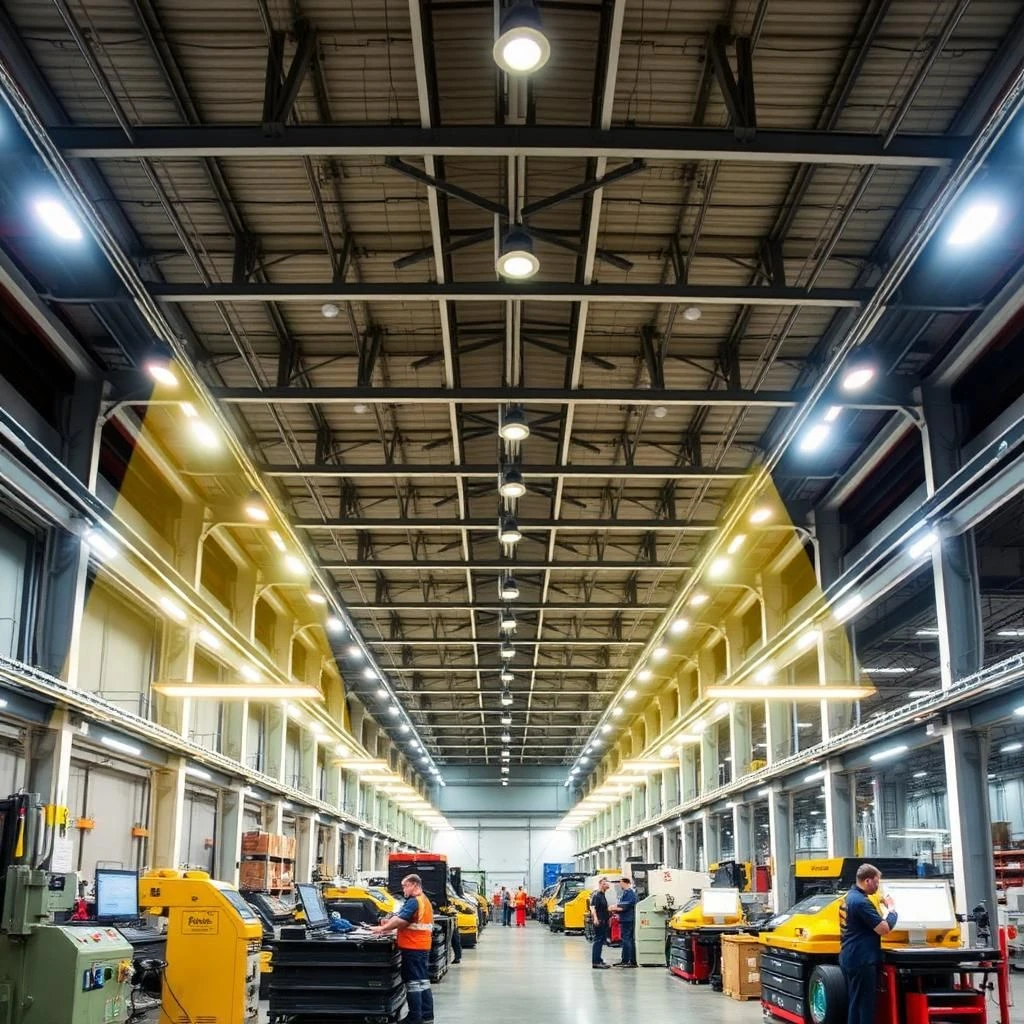
Lighting is a fundamental component of workplace safety, productivity, and operational efficiency. In industrial, commercial, and construction environments, choosing the right type of lighting—whether temporary or permanent lighting—is critical to achieving optimal visibility while maintaining safety standards. Understanding the differences between temporary and permanent lighting systems, their applications, and best practices ensures that operational spaces are properly illuminated for all tasks.
This article provides an in-depth examination of temporary vs permanent lighting, discussing their characteristics, benefits, drawbacks, and strategic implementation.
The Importance of Proper Lighting in Operational Spaces
Lighting does more than illuminate a space; it affects safety, efficiency, worker well-being, and compliance with regulatory standards. Poor lighting can lead to:
- Accidents, including slips, trips, and falls
- Reduced productivity due to visual fatigue
- Errors in critical operational tasks
- Non-compliance with OSHA, ANSI, or local regulations
Properly designed lighting systems, whether temporary or permanent, help mitigate these risks while optimizing operational performance.
Understanding Temporary Lighting
Temporary lighting refers to lighting systems that are installed for short-term use. These are commonly utilized in environments undergoing construction, maintenance, renovations, or other projects where permanent lighting is not yet installed or functional.
Characteristics of Temporary Lighting
- Portability: Temporary lighting systems are often lightweight, easily moved, and repositionable to suit changing work zones.
- Quick Installation: Designed for rapid deployment, often requiring minimal tools and infrastructure.
- Flexibility: Can adapt to various workspace layouts and evolving operational needs.
- Power Source Options: Often powered by portable generators, battery packs, or temporary electrical hookups.
- Durability: Designed to withstand construction site conditions, including dust, moisture, and impact.
Common Types of Temporary Lighting
- String lights and work lamps: Simple, portable solutions for short-term visibility.
- Floodlights: High-intensity lighting for large areas or exterior work.
- LED tower lights: Mobile, battery-powered towers suitable for night shifts or outdoor construction.
- Clip-on task lights: Focused illumination for specific workstations or inspection areas.
Advantages of Temporary Lighting
- Rapid setup and removal
- Cost-effective for short-term projects
- Provides targeted illumination in areas lacking permanent infrastructure
- Reduces downtime during maintenance or construction
Limitations of Temporary Lighting
- Often less energy-efficient than permanent solutions
- May not provide uniform lighting across large areas
- Requires regular monitoring to maintain safety and optimal coverage
- Susceptible to damage if not properly installed or protected
Understanding Permanent Lighting
Permanent lighting refers to fixtures and systems installed as a long-term solution within a facility. These systems are designed to provide continuous, consistent illumination over the life of the building or workspace.
Characteristics of Permanent Lighting
- Durability: Engineered for long-term use, often with robust materials and protective housing.
- Energy Efficiency: Typically optimized for reduced energy consumption using LEDs, smart controls, or automated systems.
- Regulatory Compliance: Designed to meet local codes, OSHA standards, and industry-specific lighting requirements.
- Uniformity: Permanent lighting is strategically positioned to provide consistent illumination, minimizing dark spots and glare.
- Integration: Can be incorporated with building management systems, emergency backup power, and automation.
Common Types of Permanent Lighting
- High-bay and low-bay fixtures: Ideal for warehouses, industrial plants, and large commercial spaces.
- Overhead fluorescent or LED panels: Common in offices, laboratories, and classrooms.
- Emergency lighting systems: Backup illumination in case of power outages.
- Task-specific permanent fixtures: Adjustable or fixed lighting for precision tasks and workstations.
Advantages of Permanent Lighting
- Consistent, high-quality illumination
- Energy-efficient and cost-effective over time
- Integrated with building infrastructure and safety systems
- Reduces long-term maintenance and operational risks
Limitations of Permanent Lighting
- Higher initial installation costs
- Less flexibility to adapt to temporary layouts or construction phases
- Requires professional planning and installation
Temporary vs Permanent Lighting: Key Differences
| Feature | Temporary Lighting | Permanent Lighting |
|---|---|---|
| Installation Time | Quick, minimal setup | Requires planning and professional installation |
| Flexibility | High, easily movable | Low, fixed positions |
| Durability | Moderate, designed for short-term use | High, designed for long-term use |
| Energy Efficiency | Often lower | High (LED and automated systems) |
| Cost | Low upfront, potentially higher long-term if used continuously | Higher initial cost, lower long-term operational cost |
| Applications | Construction sites, maintenance, renovations | Operational spaces, warehouses, offices, industrial plants |
Understanding these differences helps facility managers and safety engineers determine when to use temporary versus permanent lighting.
Best Practices for Temporary Lighting
- Plan Placement Strategically: Ensure temporary lights cover all active work areas without creating shadows or glare.
- Prioritize Safety: Secure cords and fixtures to prevent tripping hazards.
- Use Durable Fixtures: Choose equipment rated for dust, moisture, and impact conditions typical of construction or maintenance sites.
- Monitor Illumination Levels: Conduct regular checks to ensure proper lighting for safety and productivity.
- Combine with Permanent Systems: Where partial permanent lighting exists, use temporary lighting to fill gaps.
Best Practices for Permanent Lighting
- Design for Uniform Coverage: Position fixtures to minimize shadows and dark spots while maximizing efficiency.
- Incorporate Smart Controls: Use motion sensors, timers, and automated dimming to optimize energy consumption.
- Plan for Maintenance Access: Ensure fixtures can be safely maintained without disrupting operations.
- Meet Regulatory Standards: Align design with OSHA, ANSI, and ISO lighting requirements for operational safety.
- Consider Future Adaptability: Install fixtures that can accommodate changes in layout, workflow, or operational needs.
Applications of Temporary and Permanent Lighting
Construction and Renovation
- Temporary lighting is essential for ongoing construction phases to provide safe, sufficient illumination.
- Permanent lighting is installed as the final phase to provide consistent long-term lighting.
Industrial and Warehouse Facilities
- Temporary lighting may supplement areas under renovation or reconfiguration.
- Permanent lighting ensures operational efficiency, safety, and regulatory compliance for daily tasks.
Emergency and Outdoor Operations
- Temporary floodlights or tower lights can be deployed for night shifts, emergency repairs, or outdoor events.
- Permanent exterior lighting ensures security, visibility, and compliance with building codes.
Safety and Compliance Considerations
Lighting systems—whether temporary or permanent—must adhere to regulatory and safety standards:
- OSHA 1926.56: Requires minimum illumination levels for construction and industrial sites.
- ANSI/IES RP-7: Provides guidance for industrial and operational lighting.
- Emergency and Egress Lighting: Both temporary and permanent setups must ensure safe exit paths.
“For detailed guidelines on lighting requirements and standards, refer to OSHA Lighting Standards.”
Maintenance and Monitoring
Temporary Lighting
- Inspect fixtures daily for damage or displacement.
- Ensure power sources are stable and safe.
- Replace damaged bulbs or LED units immediately.
Permanent Lighting
- Schedule regular maintenance to clean fixtures and replace aging components.
- Monitor illumination uniformity across operational spaces.
- Integrate with automated alerts for fixture failure or dimming.
Conclusion
Both temporary and permanent lighting are critical components of effective lighting and visibility systems. Temporary lighting provides flexibility, rapid deployment, and safety during construction, maintenance, or transitional phases, while permanent lighting delivers consistent, efficient, and long-term illumination for operational spaces.
Facility managers and safety professionals must evaluate the requirements of each workspace, consider task demands, and ensure compliance with regulatory standards to determine the appropriate combination of temporary and permanent lighting solutions. By understanding the differences, benefits, and applications of each type, organizations can optimize visibility, safety, and efficiency in any operational environment.