
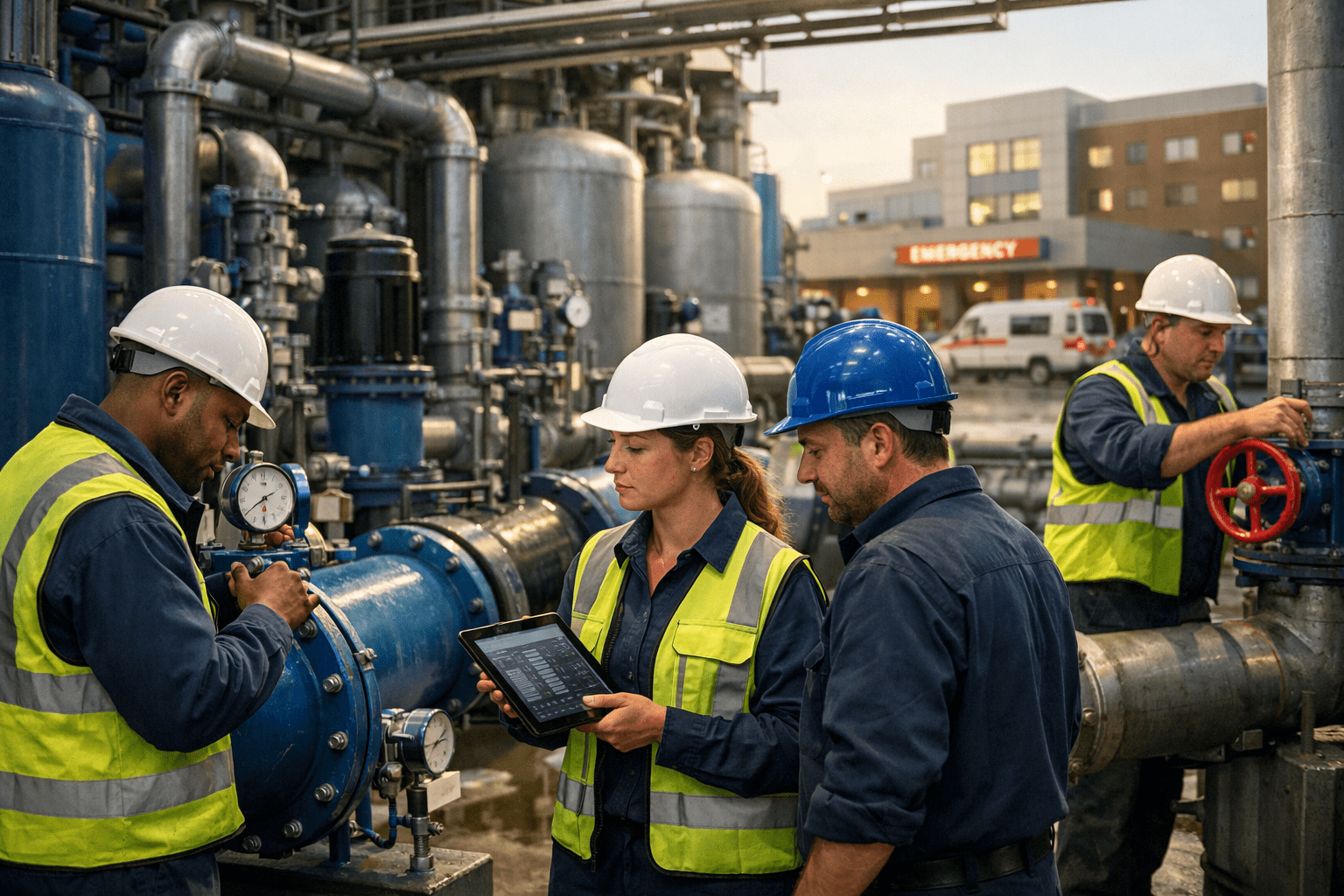
In today’s complex operational landscape, facilities are no longer classified solely by industry or building type. Instead, they are increasingly evaluated based on service need—the level of infrastructure support required to sustain core operations. One of the most essential and often underestimated categories within this framework is water and plumbing critical facilities.
From hospitals and laboratories to food processing plants and large residential complexes, water systems form the backbone of daily operations. Clean water supply, efficient drainage, and reliable plumbing networks are fundamental not only for comfort, but for public health, safety, regulatory compliance, and business continuity. Without stable water and plumbing systems, even the most advanced facilities cannot function effectively.
Understanding Facilities by Service Need
The concept of facilities by service need emphasizes operational dependency rather than just physical design. This approach categorizes buildings based on the critical systems they rely on to deliver services, such as:
- Electrical infrastructure
- HVAC systems
- Security and access control
- Water and plumbing systems
- Digital and data networks
In this context, water and plumbing are not basic utilities—they are mission-critical systems that directly affect health, safety, and operational efficiency.
What Are Water and Plumbing Critical Facilities?
Water and plumbing critical facilities are environments where continuous water availability and system reliability are essential for daily operations. Any interruption in supply, pressure, or sanitation can lead to immediate risks, including service shutdowns, contamination, and regulatory violations.
These facilities typically require:
- Uninterrupted potable water supply
- High-capacity drainage systems
- Advanced filtration and treatment
- Redundant piping and storage
- Continuous monitoring and maintenance
In such environments, plumbing systems are treated as core infrastructure, similar to electrical or HVAC systems.
Key Industries That Depend on Water and Plumbing Systems
1. Healthcare and Medical Facilities
In healthcare settings, hospital plumbing systems are central to patient safety, sanitation, infection control, and overall facility performance.
Hospitals and clinics are among the most water-dependent environments. Water supports hygiene, infection control, medical procedures, and equipment operation.
Critical water and plumbing applications include:
- Sterilization and sanitation
- Dialysis systems
- Surgical handwashing stations
- Medical gas systems
- HVAC cooling and humidification
In healthcare, water quality directly affects patient safety and regulatory compliance.
2. Food Processing and Manufacturing Plants
Food production facilities rely heavily on water for processing, cleaning, cooling, and sanitation.
Key requirements include:
- High-volume water usage
- Food-grade filtration systems
- Wastewater treatment
- Pressure control for production lines
- Compliance with hygiene standards
Any contamination or system failure can result in product recalls, legal action, and reputational damage.
3. Laboratories and Research Centers
Scientific facilities require precise water control to support experiments, equipment, and safety protocols.
Typical applications include:
- Deionized and distilled water systems
- Chemical waste drainage
- Emergency eyewash and safety showers
- Climate control systems
- Fire suppression networks
Water instability can compromise research integrity and safety.
4. Residential and Senior Living Facilities
In residential complexes and assisted living environments, water systems directly affect quality of life, hygiene, and health.
Key considerations include:
- Consistent water pressure
- Hot water availability
- Leak prevention and monitoring
- Wastewater management
- Accessibility and safety features
For vulnerable populations, plumbing reliability is a health issue, not just a convenience.
Why Water and Plumbing Are Critical in Service-Based Facilities?
1. Public Health and Safety
Water systems are central to sanitation, hygiene, and disease prevention. Poor water quality can lead to outbreaks, contamination, and serious health risks.
2. Regulatory Compliance
Many industries must meet strict regulations for water usage, wastewater disposal, and hygiene standards. Compliance failures can result in fines, shutdowns, or legal consequences.
3. Operational Continuity
Water disruptions can halt operations entirely in sectors like healthcare, food production, and research. Redundant systems and preventive maintenance are essential for continuity.
4. Asset Protection
Leaks, pressure failures, and corrosion can damage equipment, structures, and materials, leading to costly repairs and downtime.
Designing Plumbing Systems for Service-Critical Facilities
Needs-Based Plumbing Design
Facilities by service need require plumbing systems tailored to operational demands rather than generic building codes. This includes:
- Load calculations based on usage patterns
- Zoning for different functional areas
- Redundant supply and drainage lines
- Smart sensors and monitoring tools
Such designs ensure water systems align with real-world operational needs.
Redundancy and Resilience
In critical facilities, plumbing failures are not acceptable. Common resilience strategies include:
- Backup water storage tanks
- Dual supply connections
- Pressure regulators
- Emergency shutoff systems
These measures protect against supply disruptions and system failures.
Maintenance Strategies for Water and Plumbing Systems
Preventive Maintenance
Routine inspections, pipe cleaning, and valve testing prevent major failures and extend system lifespan.
Predictive Maintenance
Advanced monitoring systems detect pressure changes, leaks, and performance trends, allowing early intervention.
Compliance Audits
Many service-critical facilities require regular inspections to ensure water quality, safety, and regulatory compliance.
Technology Trends in Water and Plumbing Critical Facilities
Smart Water Management
Digital platforms enable real-time monitoring of water usage, pressure, and quality. This improves efficiency and reduces waste.
Sustainability and Water Conservation
Modern facilities increasingly adopt:
- Low-flow fixtures
- Rainwater harvesting
- Greywater recycling
- Efficient wastewater treatment
These practices reduce operational costs and support environmental goals.
Challenges in Managing Water and Plumbing Critical Facilities
Despite technological advancements, several challenges remain:
- Aging infrastructure
- High maintenance costs
- Skilled labor shortages
- Regulatory complexity
- Increasing water scarcity
Addressing these issues requires long-term planning, investment, and policy alignment.
Best Practices for Facility Managers
To effectively manage water and plumbing critical facilities, managers should:
- Conduct regular system audits
- Implement smart monitoring tools
- Establish emergency response plans
- Train staff on compliance requirements
- Align plumbing strategies with service needs
These practices ensure reliability, safety, and efficiency.
Conclusion: The Strategic Importance of Water and Plumbing Systems
In the framework of facilities by service need, water and plumbing critical facilities represent some of the most essential and sensitive environments. These systems support public health, operational stability, and regulatory compliance across multiple industries.
As populations grow, regulations tighten, and sustainability becomes a global priority, water infrastructure will play an even more strategic role in facility management. Organizations that invest in resilient, efficient, and intelligent water systems will be better equipped to meet future demands while protecting both people and assets.
Ultimately, reliable water and plumbing systems are not optional—they are fundamental pillars of modern service-based facilities.