 Daniel Harrow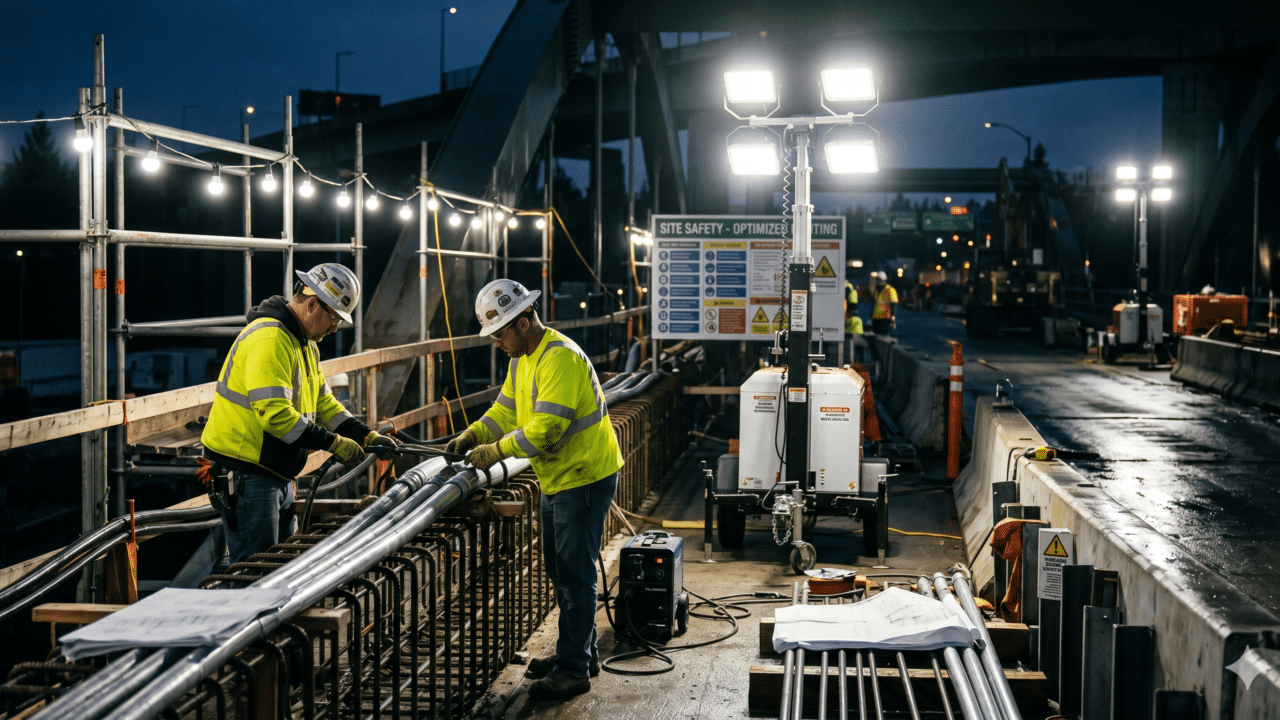
How Portable Lighting Risk Mitigation Prevents Accidents and Improves Workplace Safety
In every workplace, visibility plays a bigger role in safety and productivity than many people realize. Whether employees…
In every workplace, visibility plays a bigger role in safety and productivity than many people realize. Whether employees…
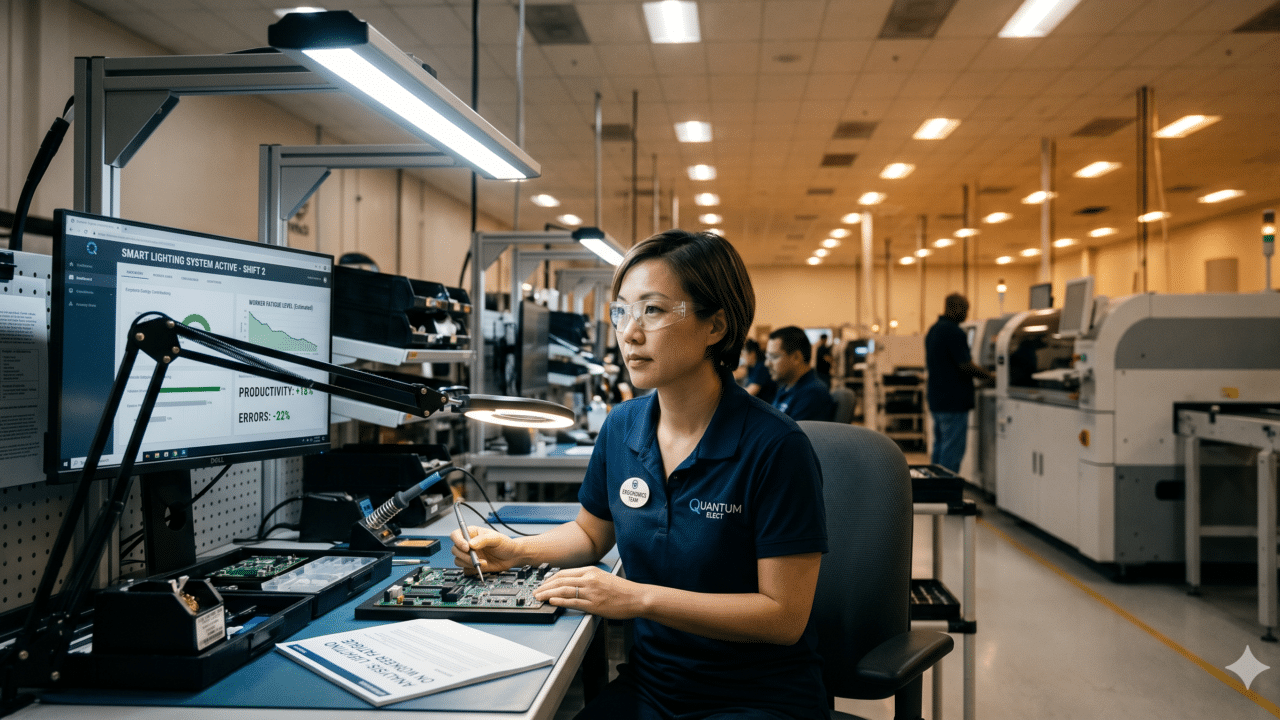
The lighting impact on worker fatigue is often overlooked in discussions about workplace productivity, safety, and employee well-being.…
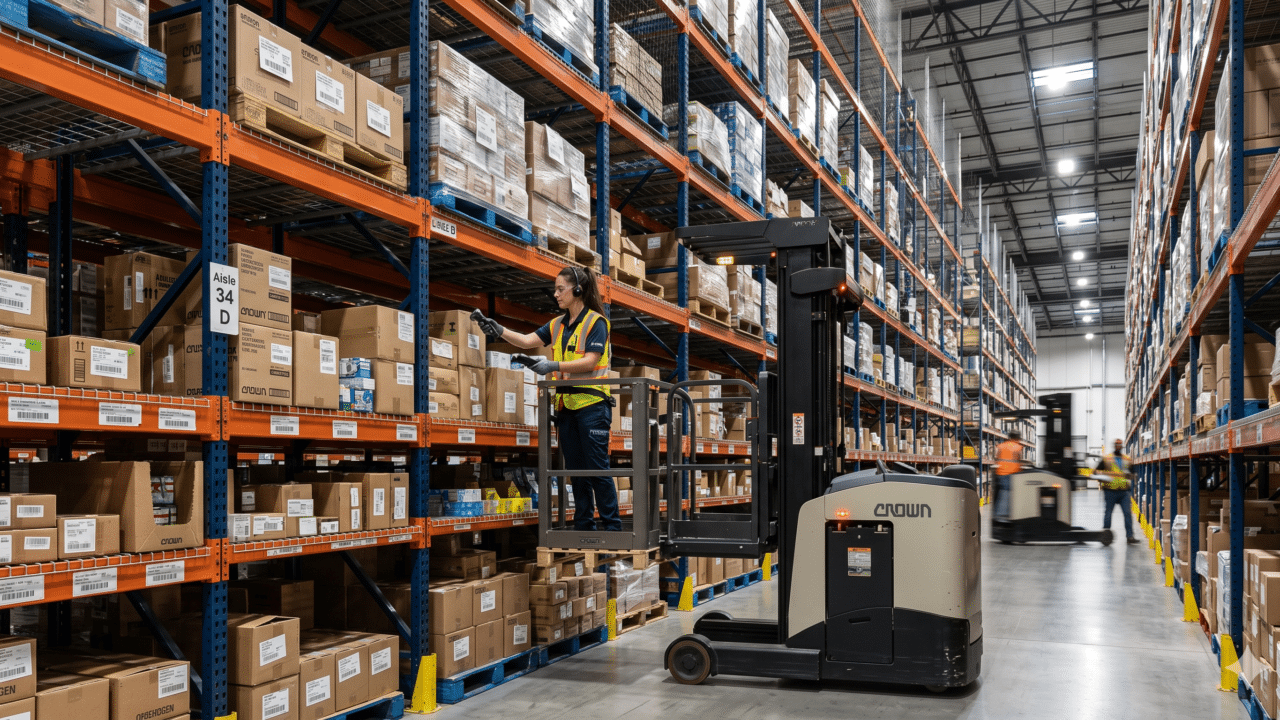
Warehouses have evolved far beyond simple storage buildings. Today’s facilities are larger, taller, and more complex than ever…
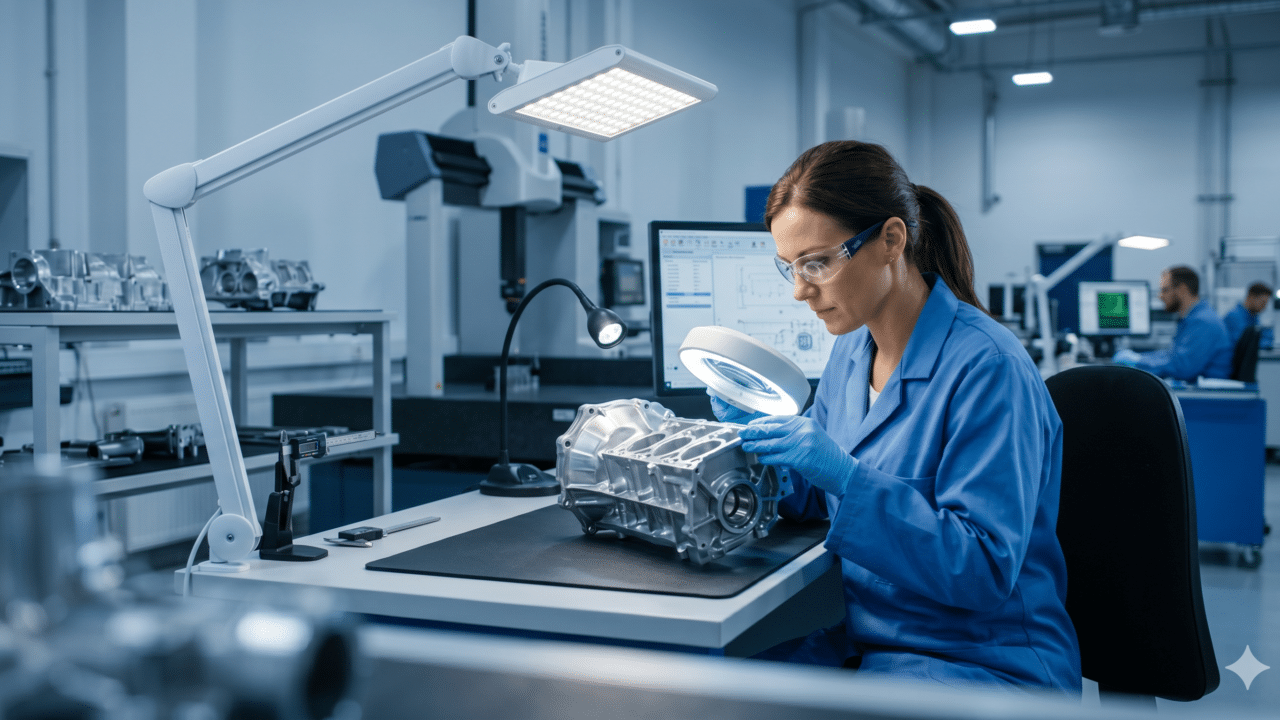
Walk into any manufacturing plant, quality control laboratory, automotive assembly facility, electronics production line, pharmaceutical processing area, or…
When the sun goes down, a property can look completely different from how it appears during daylight hours.…
Construction sites are busy, fast-moving environments where dozens of activities happen simultaneously. Workers carry materials, equipment operators maneuver…
Power outages rarely happen at a convenient time. They can occur during a busy workday, in the middle…
When people think about productivity, they often focus on training, technology, workflow improvements, or employee motivation. However, after…
When people talk about lighting in workplaces, factories, warehouses, offices, and commercial buildings, the conversation usually revolves around…
When people evaluate a lighting system, the first thing they usually notice is brightness. They walk into a…